
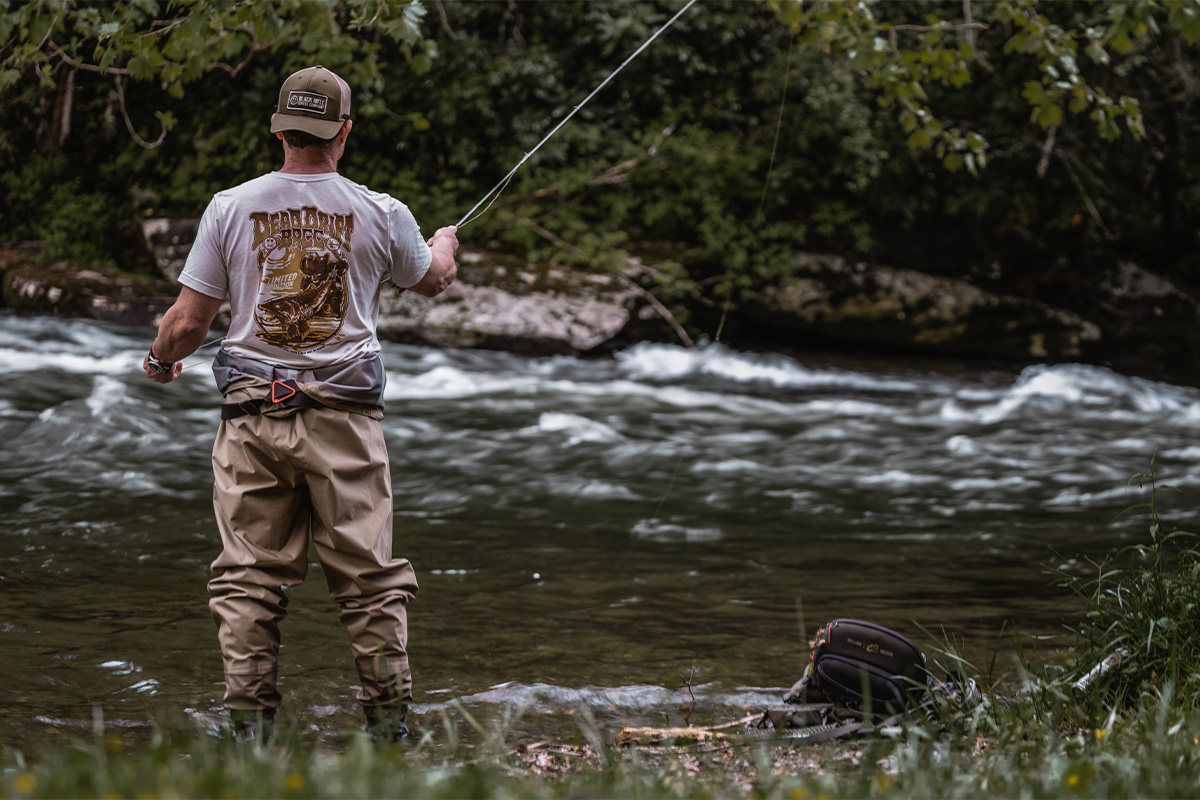
Fly fishing is an art that requires precision, patience, and practice. Whether you are a beginner or an experienced angler, mastering the cast with your fly fishing line is essential to catching more fish and enjoying a successful day on the water. The way you handle your fly fishing line can make the difference between a satisfying catch and a frustrating outing. In this guide, we will explore techniques, tips, and strategies to help you cast perfectly with your fly fishing line.
Understanding Your Fly Fishing Line
Before you even begin casting, it is crucial to understand the different types of fly fishing line. Fly fishing line comes in various weights, tapers, and materials, each designed for specific fishing situations. Weight-forward lines are ideal for longer casts, while double-taper lines offer delicate presentations. Floating lines allow for surface fishing, while sinking lines are perfect for deep water. Knowing the type of fly fishing line you are using is the first step to achieving a perfect cast.
Preparing Your Gear
Proper preparation of your gear is essential for smooth casting. Ensure your rod and reel are matched to your fly fishing line. Check that your line is clean and free of twists or knots. Regularly maintaining your fly fishing line, such as wiping it down with a cloth or using fly line conditioner, can greatly improve casting performance. Proper preparation prevents unexpected tangles and ensures that your fly fishing line glides effortlessly through the guides of your rod.
The Basic Casting Technique
The most common casting technique in fly fishing is the overhead cast. Start by holding the fly rod with your dominant hand and the fly fishing line with your other hand. Begin with a back cast, smoothly lifting the line off the water until it is fully extended behind you. Pause briefly to allow the line to straighten, then follow with a forward cast, releasing the line as your rod tip moves forward. Timing and smooth motion are key to controlling the fly fishing line and achieving a precise cast.
Roll Casting for Tight Spaces
When fishing in tight areas with limited backcast space, the roll cast is highly effective. Start with the fly fishing line in front of you on the water. Lift the rod tip slowly to create tension in the line, then make a forward motion, allowing the line to roll out in a smooth loop. The roll cast is an essential skill for anglers navigating narrow streams or fishing near obstacles, ensuring your fly fishing line lands accurately on the water without snagging.
Maintaining Line Control
Control over your fly fishing line is vital for accurate casting. Keep a loose grip on the line to avoid tension, which can cause erratic casts. Using your fingers to control slack and adjust line length helps you achieve precise presentations. Regularly practice line pickup and laydown techniques to handle your fly fishing line efficiently, even in challenging conditions. Proper line control also reduces the risk of tangles and allows you to cast further with minimal effort.
Tips for Improving Your Cast
- Focus on Timing: Practice the pause between back cast and forward cast to straighten your fly fishing line.
- Use Your Wrist and Arm: Avoid excessive force; let the rod’s action guide your fly fishing line.
- Visualize Loops: Aim for tight, controlled loops in your fly fishing line for accuracy.
- Adjust for Wind: Learn to cast upstream or downstream, accounting for wind direction.
- Practice Regularly: Repetition is key to mastering your fly fishing line and improving muscle memory.
Choosing the Right Fly Fishing Line for Conditions
Selecting the appropriate fly fishing line for specific water conditions enhances your casting performance. In calm waters, lighter lines allow for delicate presentations, while heavier lines are beneficial in strong currents. Consider line color and visibility, as it can help track your fly fishing line on the water. By matching your line to the fishing environment, you maximize both casting accuracy and fish-catching potential.
Common Mistakes to Avoid
Many anglers struggle with line tangles, overshooting casts, or inconsistent presentations. Avoid jerky movements, excessive force, and neglecting proper line maintenance. Additionally, be mindful of your casting environment, including obstacles and wind direction. By identifying and correcting common errors, you can achieve a smooth, controlled cast every time with your fly fishing line.
Conclusion
Mastering the perfect cast with your fly fishing line requires practice, patience, and attention to detail. Understanding your fly fishing line, maintaining your gear, and practicing proper techniques such as overhead and roll casts are essential steps to success. By focusing on line control, adjusting for conditions, and avoiding common mistakes, you can enjoy more accurate casts and improve your overall fly fishing experience. Remember, consistent practice and thoughtful attention to your fly fishing line will make each outing more rewarding and enjoyable.