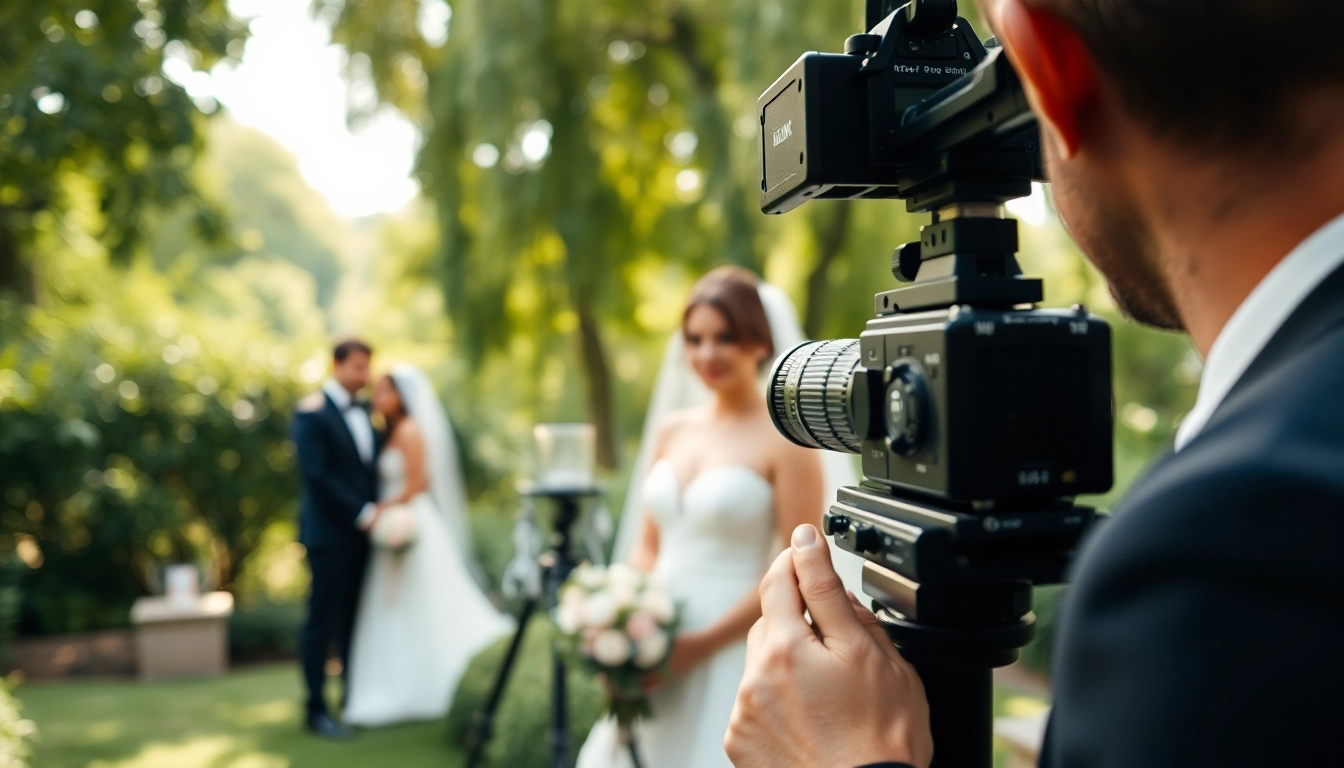
Understanding the Role of a Videographer
A videographer is a professional skilled in capturing, producing, and editing video content across various platforms and formats. These specialists are integral to storytelling, whether it's a wedding, corporate event, or promotional video. As the demand for visual content grows in an increasingly technology-driven world, the role of a Videographer has evolved dramatically. This article delves into the multifaceted role of videographers, exploring their services, essential skills, and tips for hiring the right person for your project.
What Does a Videographer Do?
A videographer's primary responsibility is to capture moving images that effectively communicate a story or message. This can involve filming events, interviews, or promotional content, and utilizing various techniques to ensure high-quality output. Beyond simple capturing, videographers are responsible for lighting, audio, and overall composition, making them vital to the production process.
Moreover, many videographers also engage in post-production activities, which include editing footage, assembling clips, adding effects, and ensuring the final video meets the client's specifications. This broad scope of responsibilities means that a successful videographer must wear many hats throughout the production cycle.
Types of Videographer Services
There are various types of services offered by videographers, each catering to different needs and industries:
- Event Videography: Capturing significant moments from events such as weddings, graduations, and corporate gatherings. Videographers focus on storytelling through strategic shot selection and emotional engagement.
- Corporate Videography: Producing promotional videos, training materials, and corporate events builds brand presence and communicates company values effectively.
- Commercial Videography: Creating advertisements and product promotional videos that aim to attract customers and boost sales.
- Documentary Videography: Focused on content that depicts real-life situations, similar to journalistic storytelling. It requires strong research, interview skills, and a dedication to truthfulness.
- Social Media Content: Producing short videos optimized for platforms like Instagram, TikTok, and YouTube, which require different approaches to capture viewer attention quickly.
Essential Skills Every Videographer Should Have
To thrive in a competitive landscape, videographers need a diverse skill set:
- Technical Proficiency: Understanding cameras, lighting, and sound equipment is crucial. Familiarity with editing software also plays a key role in the production process.
- Creative Vision: The ability to visualize the final product and create compelling narratives through camera angles and scene composition is vital.
- Storytelling Ability: Every video is a story waiting to be told, and successful videographers must excel in creating engaging narratives.
- Attention to Detail: Capturing quality footage involves meticulous planning and precision, ensuring that nothing is overlooked.
- Interpersonal Skills: Working closely with clients and other professionals requires good communication and collaborative abilities, fostering a positive working environment.
How to Select the Right Videographer
Selecting the right videographer for your project can be daunting, given the multitude of options available. Following a structured approach can simplify the process and lead to a successful outcome.
Evaluating Experience and Portfolio
The first step in selecting a videographer is to assess their experience and portfolio. Look for a body of work that reflects their ability to handle projects similar to yours. This includes examining:
- Quality of Work: High-quality visuals and sound are paramount for any video project. Examine their previous videos to gauge their overall aesthetic and production values.
- Variety of Work: A versatile videographer who can adapt to different styles and genres may offer more creativity to your project.
- Client Testimonials: Reviews and testimonials from previous clients can provide valuable insights into reliability, professionalism, and the quality of work.
Key Questions to Ask Before Hiring
Before finalizing your decision, it's critical to have a conversation with potential videographers. Here are some questions to guide your discussions:
- What is your experience with projects like mine? Understanding their relevant experience will help you gauge their suitability for your project.
- What equipment do you use? This question helps you understand the quality of equipment they employ and whether it aligns with your project needs.
- Can you provide references? Speaking to past clients can give you deeper insights into their work ethic and results.
- What is your editing process? To understand how they approach post-production can clarify your expectations regarding timelines and creativity.
Understanding Pricing Structures for Videographer Services
Videography pricing can vary widely based on several factors, including experience level, scope, and type of project. Here are some common pricing structures:
- Hourly Rates: Many videographers charge by the hour, including time spent filming and editing. This structure can be flexible but may lead to unpredictable final costs.
- Flat Fees: For defined projects, a flat fee may be negotiated, covering all aspects of production. This structure allows for clearer budgeting.
- Packages: Some videographers offer package deals that bundle multiple services at a discount, providing comprehensive offerings that often include shooting, editing, and additional services.
Best Equipment for Videographers
Quality equipment is crucial for creating stunning video content. Below is a breakdown of essential gear every videographer should consider.
Essential Gear for Every Videographer
While the specific equipment may vary based on individual preferences and project requirements, here's a general list of necessary tools:
- Cameras: A high-quality camera is the backbone of any videography project. Look for DSLRs or mirrorless cameras with strong video capabilities.
- Stabilizers: Gimbals and steadicams help reduce shaky footage, providing smooth and professional-looking shots.
- Microphones: Capture high-quality audio with an external microphone. Options range from lavalier mics for interviews to shotgun mics for broader settings.
- Lighting Equipment: Good lighting enhances video quality. Softbox lights and LED panels can help illuminate subjects appropriately.
- Tripods: Stability is crucial for video production. A sturdy tripod allows for charming panning and tilting shots.
Recommended Cameras and Accessories
While choices can vary, some popular cameras and accessories among professionals include:
- Canon EOS R5: Known for its exceptional video quality and advanced autofocus features.
- Sony A7S III: A favorite among videographers for its low-light performance and 4K capabilities.
- DJI Ronin-S: A well-regarded gimbal stabilizer for smooth, cinematic movements.
- Rode VideoMic Pro: A top choice for capturing high-quality directional audio.
Importance of Quality Editing Software for Videographers
Editing is where the magic happens, and using the right software can significantly enhance the final product. Some commonly recommended editing software includes:
- Adobe Premiere Pro: A professional-grade video editing software with comprehensive functionalities, suitable for projects of all sizes.
- Final Cut Pro: Preferred by many for its intuitive interface and powerful editing capabilities on Mac computers.
- DaVinci Resolve: Known for its advanced color correction tools and effective editing workflow, suitable for both newcomers and experts.
Videographer Best Practices for Events
Successfully capturing an event requires extensive planning and execution. Here are some best practices to follow.
Planning Your Shoot: Pre-Event Considerations
An organized plan is essential for effective videography. Pre-event considerations include:
- Location Scouting: Familiarize yourself with the venue to identify potential shooting spots and lighting conditions.
- Shot List: Create a list of must-have shots to ensure key moments are captured and nothing is overlooked.
- Rehearsals: Attend rehearsals when possible, especially for events like weddings, to better understand the flow and key moments.
Tips for Capturing Memorable Event Moments
Effective event videography involves more than just pressing record. Here are some tips to create engaging content:
- Blend In: Stay unobtrusive, especially at events like weddings where you want to capture genuine emotions.
- Variety of Angles: Capture a mix of wide shots, close-ups, and candid interactions to create dynamic visual storytelling.
- Capture Audio: Ensure clean audio by using external microphones and monitoring sound throughout the event.
Editing Techniques Every Videographer Should Master
After the shoot, editing offers the opportunity to craft the final narrative. Essential techniques include:
- Color Grading: Adjusting colors and exposure to create mood and cohesion within the footage.
- Cuts and Transitions: Employ various cuts and transitions to maintain flow and engagement, making sure they enhance rather than distract.
- Sound Design: Incorporating background music and sound effects can elevate the emotional impact of videos.
Emerging Trends in Videography
The videography industry is continuously evolving. Here, we explore some of the key trends shaping the future of videography.
Impact of Social Media on Videography Styles
With the rise of social media platforms, the style of videography is shifting towards shorter, more impactful videos. These content pieces prioritize engagement and shareability, pushing videographers to adopt fast-paced editing styles and creative storytelling techniques suited for formats like stories and reels.
Utilizing Drones for Unique Perspectives
Drones have transformed the way videographers capture landscapes and events. Aerial shots provide breathtaking perspectives that ground-level cameras simply cannot achieve. Utilizing drones effectively requires understanding regulations, safe flying practices, and obtaining proper certifications.
Future Technologies in the Videographer Field
The future of videography is marked by technological advancements such as virtual reality (VR) and augmented reality (AR). These technologies enable immersive storytelling experiences, pushing the boundaries of video content creation. Aspiring videographers should stay abreast of these trends to remain competitive in an evolving market.