Understanding Home Renovation
Defining Home Renovation Concepts
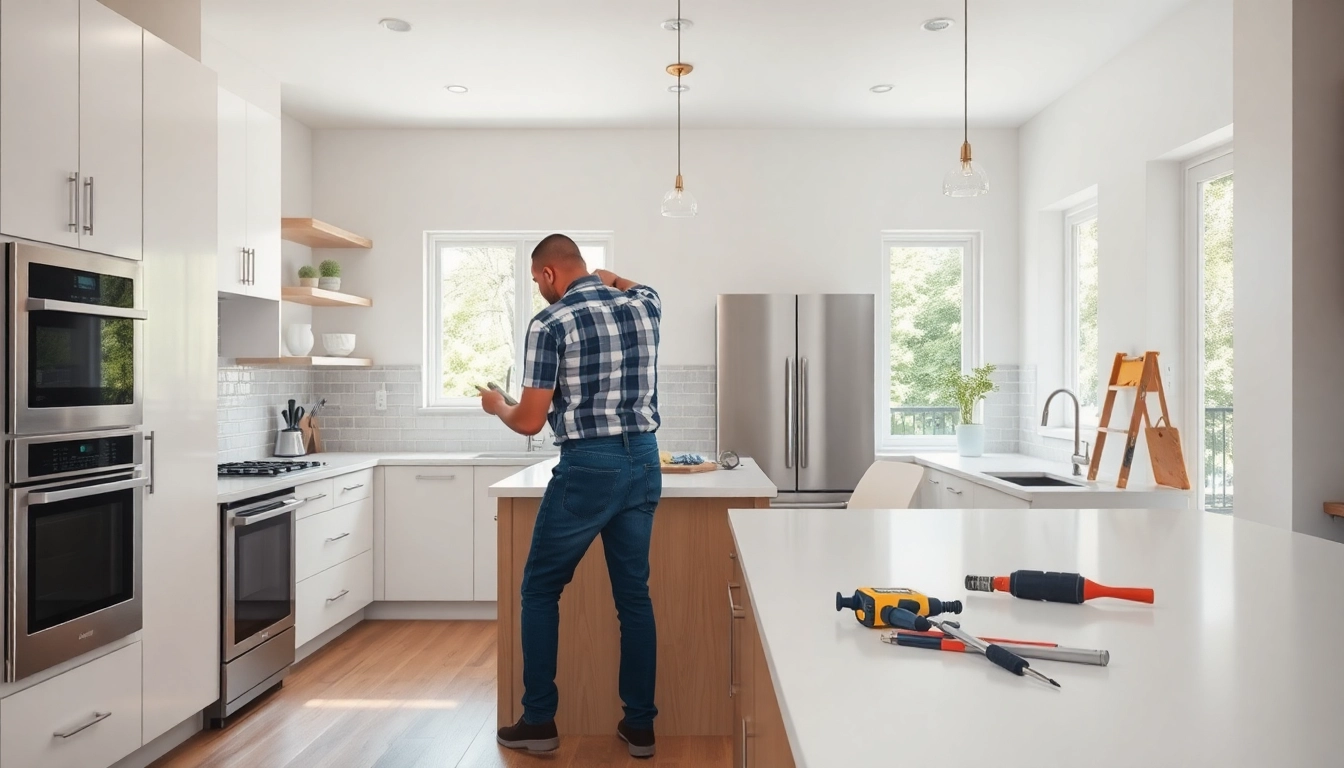
Home renovation is the process of improving or updating residential spaces to enhance both functionality and aesthetics. This can involve minor cosmetic changes, such as painting and flooring alterations, or more extensive remodels that involve structural changes. The ultimate goal of Home renovation is to create a more comfortable living environment or increase the value of a property.
Common Types of Home Renovations
When embarking on a home renovation project, it’s essential to understand the different types available. The following are common types categorically grouped:
- Kitchens: Often regarded as the heart of the home, kitchen renovations can range from new cabinetry and countertops to complete layout changes.
- Bathrooms: Upgrading fixtures, adding new tiles, or even reconfiguring the space for a more luxurious experience are typical bathroom renovations.
- Basements: Transforming basements into livable spaces, whether a guest suite, entertainment room, or home office, is a popular choice.
- Additions: Extending the footprint of the house to add more bedrooms or living areas can significantly increase a property’s value.
- Exterior Improvements: Enhancements such as new siding, roofing, or landscaping improve curb appeal and energy efficiency.
Benefits of Home Renovation Projects
Engaging in a home renovation comes with multiple benefits that go beyond aesthetics:
- Increased Property Value: Renovations can effectively elevate market value, making them a smart investment for homeowners.
- Enhanced Comfort: Updating living spaces can lead to a more enjoyable and comfortable home environment tailored to your current lifestyle.
- Improved Energy Efficiency: Renovation often involves replacing outdated appliances and systems, leading to lower utility bills and a reduced carbon footprint.
- Personalization: A renovation project allows homeowners to tailor their living spaces to suit their needs and preferences, ensuring both style and functionality.
Planning Your Home Renovation
Setting Renovation Goals
Before diving into a home renovation, it is crucial to establish clear goals. This starts with identifying what you want to achieve:
- Are you aiming for aesthetic improvement, functional upgrades, or both?
- Do you want to stay within a budget, or is this a luxury-driven project?
- Is the renovation intended to prepare the house for sale, or will it serve your personal enjoyment?
Budgeting for Home Renovation
A realistic budget is fundamental to any renovation project. Start by assessing your financial capacity. Here's how to break it down:
- Research Costs: Understand the average costs associated with the renovations you plan, including labor and materials.
- Contingency Fund: Allocate an additional 10-20% of your budget for unforeseen expenses, which are common in renovation projects.
- Prioritize Spending: Decide which aspects of your renovation are most important and allocate your budget accordingly.
Design Considerations and Trends
Staying updated with design trends can enhance the outcome of your renovation:
- Open Floor Plans: Popular for their ability to maximize space and improve flow between living areas.
- Sustainable Materials: Increasing attention to eco-friendly materials reflects growing environmental awareness.
- Smart Home Technology: Integrating technology into your renovations can boost efficiency and appeal, including smart lighting and thermostats.
Hiring Professionals for Home Renovation
Choosing the Right Contractor
Selecting a contractor is one of the most critical steps in the renovation process. Consider the following when making your choice:
- Experience: Look for contractors with experience in the specific type of renovation project you are undertaking.
- Specialization: Some contractors specialize in certain areas, such as kitchens or bathrooms, which can affect their expertise.
- Referrals: Ask friends, family, or colleagues for recommendations based on their experiences.
Evaluating Credentials and Reviews
Before finalizing your contractor, ensure they possess the necessary credentials:
- Licensing: Verify that the contractor is licensed and insured to perform the work legally in your area.
- Reviews: Investigate online reviews and testimonials from previous clients to gauge their reputation and reliability.
- Portfolio: Review their past work to assess the quality and style of their previous projects.
Understanding Contracts and Agreements
Once you've selected a contractor, it’s essential to establish a detailed contract. Key elements include:
- Scope of Work: Clearly outline what your renovation will entail to avoid misunderstandings.
- Payment Schedule: Set up a payment plan based on milestones achieved to help manage your budget effectively.
- Timeline: Agree on a timeline that includes when the work will start and expected completion dates.
Executing Your Home Renovation
Managing the Renovation Timeline
A well-structured timeline is crucial for ensuring that your renovation progresses smoothly. Here are essential considerations:
- Regular Updates: Schedule regular meetings or check-ins with your contractor to discuss updates and adjustments to the timeline.
- Flexibility: Be prepared for delays, especially if additional work is required or materials are delayed. Adapt your schedule as needed.
- Final Walk-throughs: Before project completion, do a walk-through with your contractor to ensure everything meets your expectations.
Effective Communication with Contractors
Maintaining clear and open communication with your contractor is vital for a successful renovation:
- Set Expectations: Communicate your expectations clearly regarding quality and timeliness from the outset.
- Feedback: Provide constructive feedback during the renovation process instead of waiting until it’s over.
- Document Changes: Keep a record of all communications and changes that may occur during the renovation process.
Overcoming Challenges During the Process
Despite careful planning, challenges may arise. Here are some common issues and their solutions:
- Budget Overruns: Stay informed of spending and adjust scopes if necessary to keep costs down.
- Supply Delays: Have backup options for materials in mind to mitigate the effects of delays on your project timeline.
- Contractor Disputes: Address any disagreements directly with your contractor to find a resolution rather than allowing issues to fester.
Post-Renovation: Ensuring Success
Conducting Final Inspections
After the renovation, perform a thorough inspection to confirm that all aspects meet your expectations. Key steps include:
- Check for Quality: Inspect the quality of workmanship and finishes to ensure they align with what was agreed upon.
- Address Remaining Issues: Document any concerns or areas that require correction and present them to your contractor.
- Final Payments: Hold off on final payments until you are fully satisfied with the completed work.
Maintaining Your Renovated Space
Proper maintenance will prolong the life of your renovations:
- Regular Cleaning: Implement a cleaning regimen that will help preserve new materials and finishes.
- Routine Inspections: Schedule regular inspections of key elements like plumbing, electrical, and structural aspects.
- Timely Upgrades: Address any wear and tear promptly to avoid larger issues down the line.
Evaluating Return on Investment in Home Renovation
Purchase decisions are greatly influenced by potential returns on investment (ROI). To gauge the effectiveness of your renovations, consider the following:
- Market Trends: Research local real estate market trends to assess how your renovation might affect home value.
- Comparative Analysis: Compare similar homes in your area regarding value, features, and marketability.
- Personal Value: Remember that ROI is not limited to financial return but includes the personal value and comfort the renovations bring to your lifestyle.