Understanding the Basics of Home Renovation
Home renovation is a significant undertaking that can transform not only a house's appearance but also its functionality. Whether you're looking to modernize your space or enhance its value before a sale, understanding the fundamentals of home renovation is essential. In this guide, we will explore various aspects of Home renovation, including motivations, challenges, and planning processes to help you embark on your renovation journey with confidence.
What is Home Renovation?
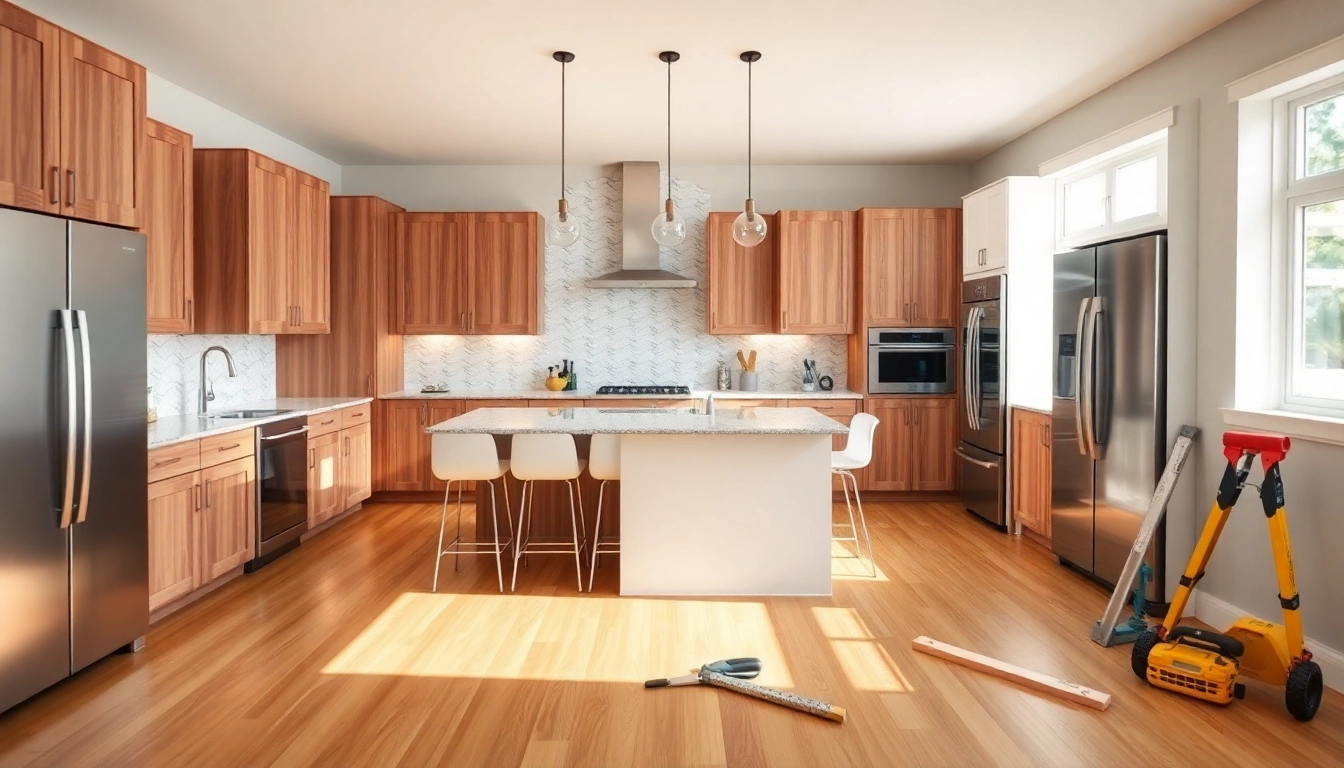
Home renovation refers to the process of improving, upgrading, or repurposing a residential space. This can include minor changes like painting or installing new fixtures, to more extensive projects like remodeling a kitchen or adding a new room. The goals of renovation can range from aesthetic improvements to functional upgrades that enhance the livability and energy-efficiency of a home.
Key Motivations for Home Renovation
Homeowners decide to renovate for a variety of reasons. Here are some common motivations:
- Enhancing Aesthetics: Many renovations are driven by the desire to update outdated styles or to personalize spaces.
- Increasing Property Value: Renovations can significantly boost a home's market value, making it more attractive to potential buyers.
- Improving Functionality: Families grow, lifestyles change, and renovations can reconfigure spaces to better meet current needs.
- Energy Efficiency: Many homeowners choose to renovate with eco-friendly materials and systems to reduce energy consumption and utility costs.
- Overcoming Structural Issues: Renovation can also address existing problems, such as outdated plumbing or electrical systems, ensuring safety and reliability.
Common Challenges in Home Renovation
While renovations can be rewarding, they often come with a set of challenges that require careful navigation:
- Budget Overruns: Costs can quickly escalate, making it crucial to have a clear and realistic budget.
- Time Management: Renovations may take longer than anticipated due to unforeseen circumstances or supply chain issues.
- Finding Reliable Contractors: Sourcing skilled labor can be daunting; choosing the right professionals is vital for project success.
- Design Discrepancies: Balancing personal taste with practical considerations can lead to indecision and frustration.
Planning Your Home Renovation Project
Effective planning is essential to a successful home renovation. A well-thought-out plan can help mitigate common challenges and ensure a smoother process.
Setting a Realistic Budget for Home Renovation
Your budget is one of the most critical aspects of any renovation project. To create a feasible budget:
- Assess your finances: Determine how much you can afford without straining your budget.
- Research costs: Look into average costs for materials and labor in your area.
- Include contingencies: Set aside an additional 10-20% for unexpected expenses.
- Prioritize your needs: Decide which areas require urgent attention and which can wait if funds are limited.
Creating a Project Timeline for Home Renovation
A project timeline helps manage expectations and track progress. Steps to create your timeline include:
- Define the scope: List all tasks that need to be completed based on your renovation goals.
- Estimate durations: Consider how long each task will realistically take, factoring in potential delays.
- Set milestones: Establish key phases in the project where you can assess progress and adjust as necessary.
- Stay flexible: Allow room for adjustments based on any unforeseen circumstances.
Choosing Between DIY and Professional Help for Home Renovation
Deciding whether to take on renovations yourself or hire professionals can be challenging. Consider the following:
- Skills and Experience: Assess your own capabilities; some tasks require specialized knowledge and skills.
- Time Availability: DIY can be time-consuming. Evaluate whether you have the time to dedicate to the project.
- Budget: Professional services can be costly, however, they may save time and ensure quality.
- Project Complexity: For larger or more complex projects, hiring professionals is often advisable.
Design Inspirations for Home Renovation
Design plays a crucial role in the renovation process, influencing both functionality and aesthetics. Here are key elements to consider:
Popular Trends in Home Renovation
Staying current with design trends can inspire your renovation. Popular trends include:
- Open Floor Plans: Creating open, airy spaces enhances flow and social interaction.
- Sustainable Materials: Eco-friendly materials and appliances are in demand, prioritizing both style and environmental impact.
- Smart Home Technology: Integrating technology for enhanced security and convenience is increasingly popular.
- Multi-functional Spaces: Designing spaces that serve multiple purposes maximizes utility, especially in smaller homes.
Incorporating Sustainable Practices in Home Renovation
Incorporating sustainability into your renovation can reduce your carbon footprint and lead to long-term savings. Consider:
- Energy-efficient appliances: Choose appliances labeled for their efficiency to lower energy consumption.
- Reclaimed materials: Use reclaimed wood or recycled materials to minimize waste and bring character to your home.
- Insulation upgrades: Proper insulation can reduce heating and cooling costs significantly.
- Water-saving fixtures: Installing low-flow faucets and toilets can conserve water and reduce bills.
Choosing the Right Materials for Your Home Renovation
The materials you select can impact both the longevity and appearance of your renovation. Factors to consider include:
- Durability: Select materials that can withstand daily wear and tear.
- Maintenance: Consider the upkeep required; some materials may need frequent refinishing or replacement.
- Style: Ensure that chosen materials complement the overall design aesthetic of your home.
- Cost: Balance quality with budget constraints; sometimes investing in higher-quality materials upfront saves money in the long run.
Executing Your Home Renovation Plan
With a solid plan in place, it’s time to move into execution. This phase requires strong communication, oversight, and adaptability.
Effective Communication with Contractors in Home Renovation
Clear communication with contractors is vital for success. To foster effective dialogue, consider:
- Establishing expectations: Clearly articulate your vision, timeline, and budget constraints.
- Regular check-ins: Schedule frequent meetings to discuss progress, challenges, and adjustments.
- Creating a communication plan: Decide how you will communicate (email, chat, in-person meetings) and stick to it.
- Encouraging feedback: Be open to suggestions from professionals as they bring valuable expertise.
Monitor Progress During Home Renovation
Monitoring progress helps to ensure the project stays on track and meets your standards. Steps to monitor progress include:
- Conducting site visits: Regularly assess the work to ensure it aligns with your vision and specifications.
- Documenting changes: Keep a record of any modifications to the original plan.
- Addressing issues immediately: Tackle any problems as soon as they arise to avoid larger setbacks.
- Celebrating milestones: Acknowledge when phases of the project are completed to maintain motivation.
Handling Unexpected Issues in Home Renovation
Even with comprehensive planning, issues may arise during renovation. Effective strategies for handling these challenges include:
- Staying calm: Maintain a level-headed approach when faced with setbacks or unforeseen complications.
- Evaluating options: Consider alternatives or adjustments that can resolve the issue without derailing the project.
- Consulting professionals: Leverage the expertise of your contractors to find practical solutions.
- Adapting the plan: If necessary, be flexible and willing to adjust your renovation goals based on the situation.
Post-Renovation: Enjoying Your New Space
Once renovations are complete, it’s time to enjoy your transformed space. However, there are some final considerations and ongoing maintenance tasks to think about.
Final Touches to Complete Your Home Renovation
Finalizing details can elevate your newly renovated space. Consider:
- Adding decorative accents: Rugs, artwork, and plants can enhance the overall ambiance.
- Transitioning spaces: Ensure flow between renovated and untouched areas for a cohesive look.
- Tests and inspections: Confirm that all systems (plumbing, HVAC, electrical) are functioning properly.
- Cleaning: A thorough cleaning can make your space feel fresh and inviting.
Maintaining Your Renovated Space
Proper maintenance prolongs the life of your renovations and helps preserve their aesthetic appeal. Key maintenance tasks include:
- Regular cleaning: Establish consistent cleaning routines to keep surfaces and materials in good condition.
- Inspection routines: Periodically check for signs of wear or malfunction, addressing any issues promptly.
- Scheduled repairs: Plan for ongoing repairs for appliances and fixtures to ensure uninterrupted function.
- Preventative measures: Use guards or treatments that mitigate wear from environmental factors.
Evaluating Your Home Renovation's ROI
Understanding the return on investment (ROI) from your renovation is vital for future planning. To evaluate your ROI:
- Assess value increase: Compare your home’s value before and after renovations through appraisals or market analysis.
- Consider market conditions: Understand local market trends that may impact home values.
- Factor in costs: Evaluate your total renovation costs against the value increase to determine your net gain.
- Reflect on personal satisfaction: Beyond financial metrics, evaluate how your renovations enhance your daily life.
In conclusion, embarking on a home renovation journey requires careful planning, execution, and post-renovation maintenance. Whether it’s about enhancing your living space or increasing your home’s value, taking the right steps can lead to successful outcomes and a more enjoyable home experience.