Why Consider a House Extension Construction?
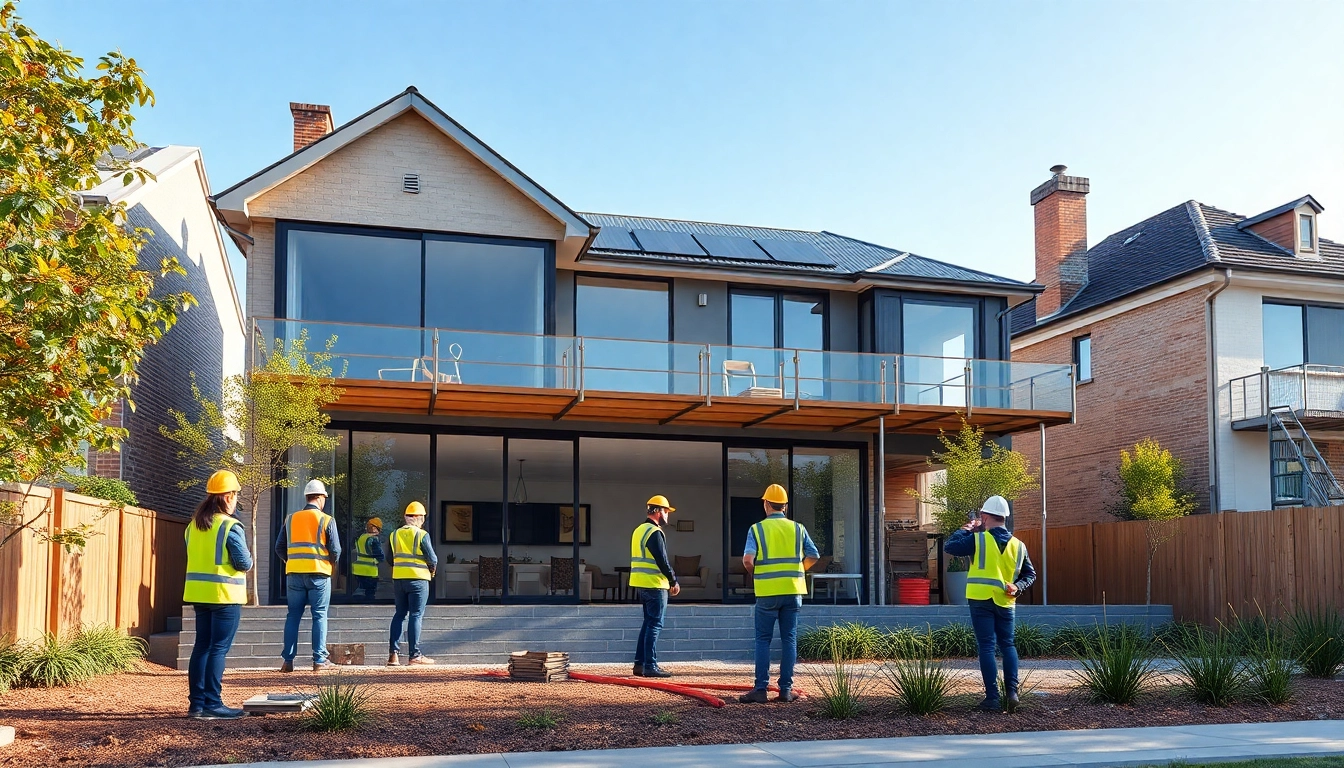
In today's dynamic housing market, many homeowners are opting for house extensions as a viable solution to increasing their living space and enhancing their property's value. The decision to extend your home can be a transformative one, providing more room for a growing family, accommodating changing lifestyles, or simply keeping pace with evolving design trends. Extensions can help you not only improve your quality of life but also reinvigorate the aesthetic appeal of your property. When exploring options, house extension construction provides comprehensive insights into making informed decisions about your project.
Understanding the Value of Extensions
Extensions can significantly enhance the functionality of your home while adding substantial value. By making efficient use of available space, you can create areas that meet specific needs, whether it's a new bedroom, a larger kitchen, or a dedicated workspace. According to recent data, properties with well-executed extensions can see a return on investment of up to 20% or more, making them an attractive option for homeowners looking to increase their home's market value.
Common Motivations for Expanding Space
There are several reasons why homeowners turn to extensions:
- Growing Families: As families expand, the need for additional bedrooms or play areas becomes paramount.
- Home Offices: With the rise of remote work, many are seeking dedicated spaces for productivity and focus.
- Modern Living: Open-plan designs are increasingly popular, prompting homeowners to rethink traditional layouts.
- Investment Potential: House extensions can be a lucrative way to increase property value.
How Extensions Improve Property Resale Value
Extensions not only enhance your living experience but also offer a competitive edge in the real estate market. A well-designed extension can make your home stand out, attracting potential buyers who are willing to pay a premium for additional space and modern amenities. Features such as additional bathrooms, open-plan living spaces, and integrated outdoor areas are particularly appealing and can significantly influence buying decisions.
Planning Your House Extension
Before embarking on a construction project, meticulous planning is essential. An effective plan addresses your needs, budget, and regulatory requirements to ensure a smooth building process.
Assessing Your Space Needs and Goals
Begin by evaluating your current living situation and identifying your specific needs. Are you looking to extend upwards, outwards, or both? Consider how you envision your space functioning after the extension is completed. Establishing clear goals will help guide your project and provide a reference point throughout the planning process.
Setting Realistic Budgets for Your Project
Budgeting is a critical component of any construction project. Engage with your chosen builder to develop a comprehensive estimate that covers materials, labor, permits, and contingencies. Being transparent about your budget with your builder early in the process will facilitate better planning and prevent unexpected costs later on.
Navigating Local Permits and Regulations
Understanding local building regulations is crucial for any house extension project. Each council has specific zoning laws, so it’s vital to ensure your extension complies with these rules. Securing the necessary permits before beginning construction will save you time and potential legal headaches down the road.
The House Extension Construction Process
The construction of a house extension involves several key stages, each requiring attention to detail and expert knowledge.
Initial Consultation and Design Planning
Your journey begins with an initial consultation with a builder or architect. During this meeting, you will discuss your vision, budgets, and the feasibility of your project. They will create detailed plans that include layout, materials, and aesthetics, ensuring your extension integrates seamlessly with your existing home.
Site Preparation and Foundation Work
Once you have your plans in place, the next step is site preparation. This stage often involves clearing the area, demolishing existing structures, and laying the foundation. Proper foundation work is critical as it dictates the overall stability of your extension.
Framing and Structural Considerations
After the foundation is set, framing begins. This involves erecting the walls, roof systems, and support structures. At this point, it's essential to ensure that all framing adheres to local building codes and construction best practices.
Key Features to Include in Your Extension
When planning your extension, consider incorporating features that enhance both functionality and aesthetic appeal.
Designing Open-Plan Living Areas
One of the most sought-after features in modern home extensions is the open-plan living area. This design fosters a sense of spaciousness and allows for better flow between the kitchen, dining, and living spaces.
Incorporating Custom Kitchen Designs
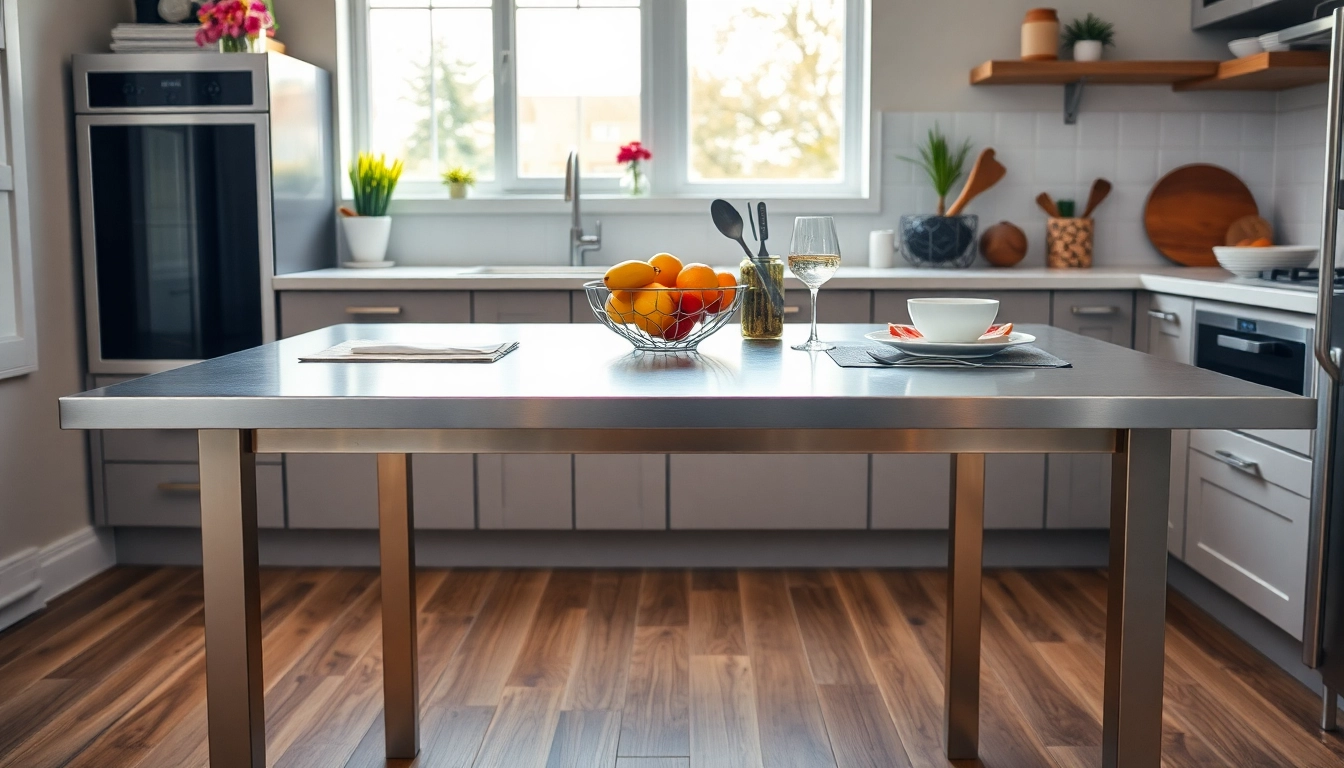
A kitchen is often the heart of the home, and an extension presents the perfect opportunity to create a bespoke kitchen that reflects your style. From custom cabinetry to state-of-the-art appliances, your kitchen can cater to your specific culinary needs.
Luxury Bathroom Features That Impress
When planning your extension, don't overlook the bathroom. Incorporating luxury features such as walk-in showers, freestanding tubs, and heated floors can elevate your home's comfort and appeal.
Choosing the Right Builder for Your Project
Selecting the right builder is one of the most critical decisions you'll make during your house extension construction project. The right professional will guide you through the process, ensuring that your vision is realized efficiently and effectively.
What to Look for in a Reliable Builder
When assessing potential builders, consider their experience with similar projects, industry credentials, and customer reviews. A good builder should be transparent about their processes, timelines, and pricing.
Checking References and Past Projects
It’s advisable to ask for references and review previous projects completed by the builder. This due diligence can offer insights into their workmanship and reliability.
Understanding Contracts and Agreements
Ensure you thoroughly understand all contractual agreements before signing. Pay careful attention to project timelines, payment schedules, and warranties. Clear contracts will protect you and help to mitigate potential disputes.
Cost Breakdown of House Extensions
Understanding the costs associated with house extensions is vital for effective budgeting. Costs can vary significantly based on various factors, including location, size, type of extension, and chosen materials. Here's a quick breakdown:
- Single-Storey Extensions: Typically range from $1,800 to $2,500 per square meter.
- Double-Storey Extensions: Approximately 50% more than single-storey costs.
- Basement Extensions: Costs vary and can be significantly higher due to the complexity.
- Loft Conversions: Generally between $1,200 and $1,500 per square meter.
Benefits of a House Extension
Extending your home offers numerous advantages beyond just additional space. Here are some key benefits:
- Increased Property Value: Properly done extensions can add significant value to your home.
- Enhanced Living Space: Extensions provide the necessary room to adapt to your family's changing needs.
- Improved Comfort: A thoughtfully designed extension can enhance your quality of life by providing more functional living areas.
- Modernization: Updating your home through an extension can introduce contemporary design elements that reflect your personal style.
Tips for a Smooth House Extension
To ensure a stress-free construction experience, keep these practical tips in mind:
- Define Your Needs: Assess what you require from your extension and communicate this clearly to your builder.
- Set a Budget: Establish clear financial parameters to avoid overspending.
- Get Permits and Approvals: Ensure all necessary approvals are in place to avoid legal complications.
- Hire a Reliable Builder: Choose a builder based on their experience and reputation.
The Process of House Extension Construction
Understanding the stages of house extension construction can provide clarity and set expectations.
Initial Consultation and Design
During your initial meetings with your builder, you will discuss your ideas and preferences. This phase is key for aligning your vision with practical capabilities.
Site Preparation
Site preparation includes clearing the area, which may involve extensive demolition or excavation.
Framing and Structural Work
Framing is followed by structural work, where the physical components of your extension come to life, creating the framework for walls and ceilings.
Electrical and Plumbing Installation
Pivotal systems such as electricity and plumbing are integrated during construction, critical for functionality, especially in areas like kitchens and bathrooms.
Internal Finishing
The final phase includes plastering, fittings, and finishes that transform the construction into a livable space.
Key Features to Consider for Your Extension
When it comes to designing your extension, consider incorporating features that align with modern living preferences.
Open-Plan Living Areas
These spaces promote family interaction and a sense of community within the home.
Custom Kitchen Designs
A well-thought-out kitchen design can enhance functionality and style.
Luxury Bathrooms
Incorporating luxury bathroom elements can significantly improve home comfort and appeal.
Sustainable Features
Integrating energy-efficient windows, insulation, and solar panels can reduce both utility costs and environmental impact, making your home more sustainable.
Your house extension construction represents a significant investment in your property and lifestyle. By carefully planning and working with experienced professionals, you can create a space that not only meets your current needs but also enhances your living experience for years to come.