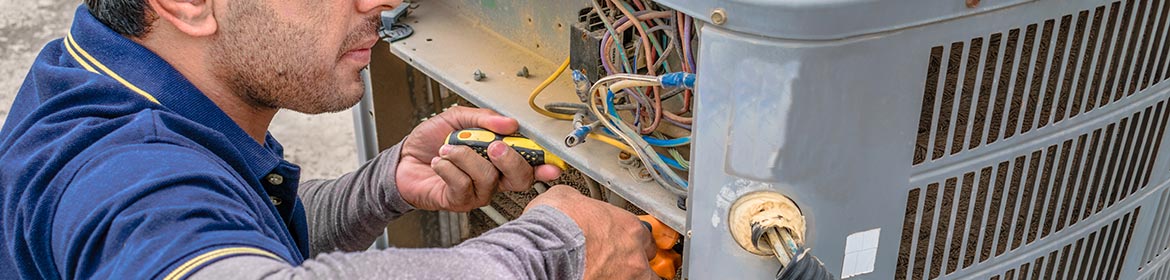
Introduction to Ductless Mini-Split Installation
In today's quest for efficient and adaptable heating and cooling systems, ductless mini-split installation has emerged as a popular choice among homeowners. Offering versatility, energy efficiency, and ease of installation, these systems provide a modern solution that meets diverse home climate control needs.
What is a Ductless Mini-Split System?
A ductless mini-split system is an HVAC device that allows for both heating and cooling without the need for ductwork. This system consists of two main components: an outdoor compressor and one or more indoor air-handling units. The absence of ducts enables these systems to maintain energy efficiency while providing precise temperature control in different areas of a home, making them an ideal solution for home additions, renovated spaces, and standalone units.
Benefits of Ductless Mini-Split Installation
Ductless mini-split systems come with numerous benefits that enhance their appeal:
- Energy Efficiency: These systems use inverter technology that adjusts the temperature gradually, reducing energy consumption compared to traditional systems.
- Zone Control: With multiple indoor units connected to a single outdoor unit, homeowners can customize and control temperatures in individual rooms.
- Easy Installation: Unlike central heating and cooling systems, ductless mini-split installation is less invasive and can be completed in a matter of hours.
- Improved Air Quality: Ductless systems often come with built-in air filtration systems, which help in reducing dust, allergens, and other airborne particles.
- Quiet Operation: The outdoor compressor unit operates quietly, making the overall system less intrusive than traditional HVAC systems.
Key Components of the System
Understanding the main components of a ductless mini-split system can aid in making informed decisions during installation:
- Outdoor Unit: Contains the compressor and condenser, responsible for transferring heat to and from the home.
- Indoor Unit: Mounted inside the home, this unit blows conditioned air into the living space. It can be wall-mounted, ceiling-mounted, or even floor-mounted.
- Refrigerant Lines: These lines transfer refrigerant between the indoor and outdoor units, facilitating the heating and cooling process.
- Electrical Lines: Provide power to the system while ensuring that the indoor and outdoor units function in harmony.
Preparation for Installation
Successful ductless mini-split installation begins with thorough preparation, including assessing the site, selecting the right equipment, and gathering necessary tools.
Site Assessment for Ductless Mini-Split Installation
Before installation, a comprehensive site assessment is essential. Evaluate the areas to be cooled or heated, considering factors such as:
- Room Size: Calculate the square footage and ceiling height to determine the right capacity needed for the mini-split.
- Insulation: Inspect insulation quality as it directly impacts efficiency. Well-insulated spaces require less heating or cooling power.
- Electrical Access: Ensure that there is appropriate access to electrical outlets for powering the system without causing overloads.
- Aesthetic Considerations: Decide the location of the indoor unit for optimal airflow while maintaining the room's aesthetics.
Choosing the Right Mini-Split Model
Selecting the right ductless mini-split model is crucial for optimal performance. Factors to consider include:
- BTU Capacity: Choose a unit with appropriate BTU ratings based on room size and climate. A professional can assist with calculating the required capacity.
- Energy Efficiency Ratio (EER): Look for high EER ratings to ensure maximum energy efficiency and lower utility bills.
- Noise Levels: Check the decibel levels of the indoor units, with lower levels providing quieter operation.
- Features: Consider additional features such as programmable timers, remote controls, and smart home integration.
Tools and Materials Needed
Before you start the installation, gather all the necessary tools and materials to ensure a smooth process:
- Drill and drill bits
- Refrigerant recovery machine
- Refrigerant lines
- Electrical wiring and connectors
- Stud finder
- Measuring tape
- Level
- Wrenches and screwdrivers
- Safety goggles and gloves
Step-by-Step Installation Process
The ductless mini-split installation process requires careful execution of several steps to ensure optimal operation and reliability.
Preparing the Indoor and Outdoor Units
Begin by unpacking the units and preparing them for installation. Make sure to:
- Inspect for any damage sustained during shipping.
- Ensure that all components, such as the mounting brackets and remote controls, are included.
- Check for the correct refrigerant and electrical specifications as per the manufacturer's instructions.
Mounting the Indoor Unit Securely
Proper mounting is vital for the indoor unit's performance:
- Use a level to mark a straight line on the wall for mounting.
- Drill holes in the wall for the mounting bracket and secure it into place.
- Ensure the unit is positioned high enough to allow for optimal airflow.
- Cut a hole in the wall for the refrigerant and drainage lines, ensuring it is slightly sloped to facilitate drainage.
Connecting Electrical and Refrigerant Lines
Connecting the refrigerant and electrical lines is a critical step:
- Carefully run the refrigerant lines through the wall or ceiling, ensuring no kinks or damage occurs.
- Connect the refrigerant lines to the corresponding ports on the indoor and outdoor units, using a torque wrench to avoid over-tightening.
- Hook up the electrical lines, ensuring all connections are secure and insulated.
Post-Installation Considerations
Once the installation is complete, post-installation tasks are crucial for ensuring the system functions correctly and efficiently.
Testing the System for Proper Functionality
After installation, run the system to check for proper operation:
- Turn on the power and set the desired temperature on the thermostat.
- Listen for any unusual noises and check for apparent refrigerant leaks around connections.
- Ensure that the airflow is even and distributed correctly throughout the space.
Common Troubleshooting Tips
If issues arise post-installation, consider these common troubleshooting tips:
- Unit Not Cooling: Check filters for dirt or blockage; clean or replace as necessary.
- Strange Noises: Inspect the mounting brackets and connections; tighten if needed.
- Inconsistent Temperatures: Consider possible issues with insulation or check for air leaks where the ducts connect.
Maintenance Best Practices for Longevity
To maintain efficient operation, follow these maintenance best practices:
- Regularly clean the filters every month or as needed.
- Schedule professional maintenance at least once a year to ensure all components are functioning correctly.
- Keep the outdoor unit clear of debris and ensure airflow is unobstructed.
FAQs About Ductless Mini-Split Installation
How long does ductless mini-split installation take?
Typically, ductless mini-split installation can be completed in a few hours to a day, depending on the complexity.
Are ductless mini-splits energy-efficient?
Yes, ductless mini-split systems are known for their energy efficiency, often using less energy than traditional HVAC systems.
Can I install a ductless mini-split myself?
While DIY is possible, it's recommended to hire a professional for safe, effective installation and compliance with codes.
What maintenance do ductless mini-splits require?
Regular cleaning of filters and occasional professional check-ups are essential for optimal performance and lifespan.
What size ductless mini-split do I need?
Choosing the correct size depends on room dimensions and insulation; a professional can conduct a load calculation.