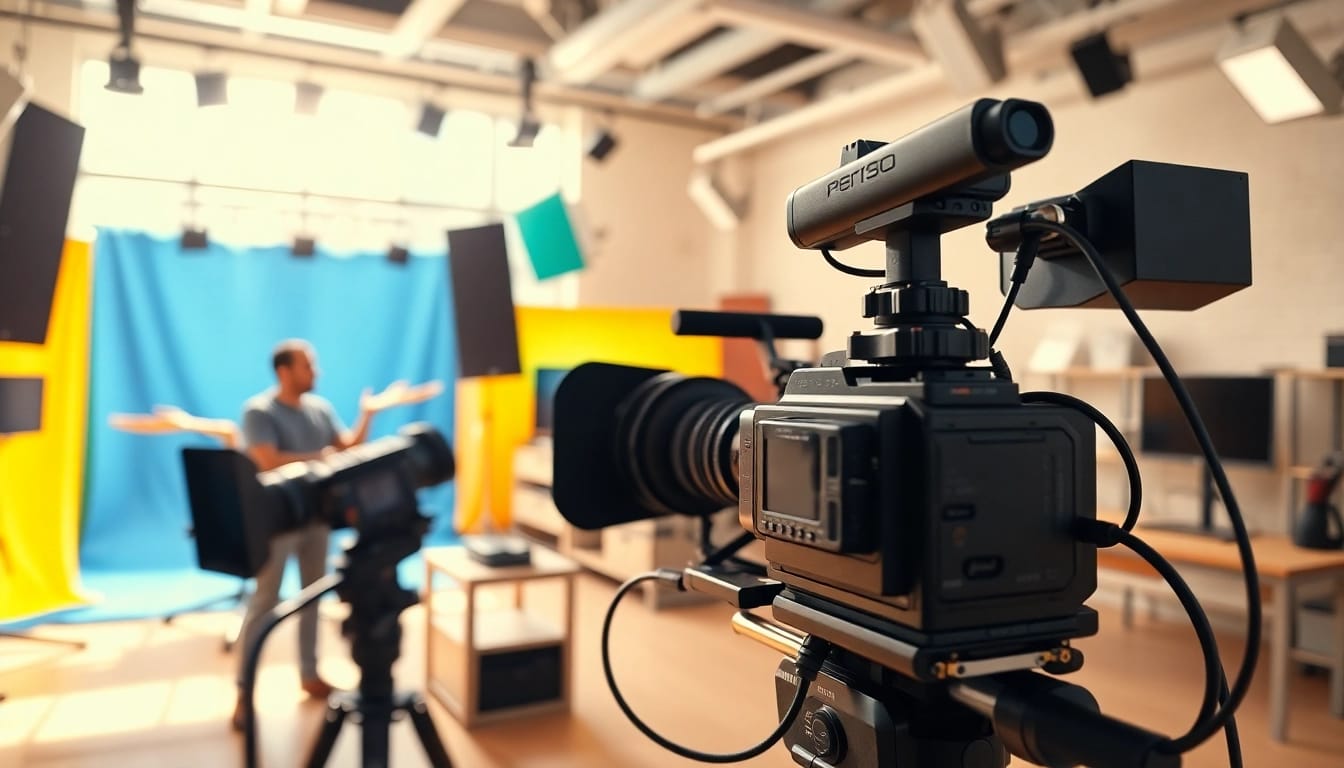
Understanding Video Production
What is Video Production?
Video production is the comprehensive process of creating video content for a variety of purposes, including entertainment, education, marketing, and communication. It encompasses every phase of content creation—from conception and planning to final editing and distribution. The essence of video production lies in its ability to convey stories and messages through a dynamic medium that incorporates visuals, sound, and creativity.
The entire process can be likened to traditional filmmaking, but video production often involves different technologies and techniques due to the ability to use digital formats. This flexibility has allowed video to become a pivotal component in today's digital landscape, where content needs to be engaging and shareable. With tools and platforms advancing rapidly, effective video production now often leverages technology in ways that enhance storytelling and improve viewer retention.
The Importance of Video Production in Today's Market
In a world flooded with information, video production stands out as a key player in marketing strategies. Studies indicate that video content is more likely to be retained by audiences when compared to text-based data. Social media platforms have increasingly prioritized video, with algorithms favoring video content for visibility. Brands leveraging video production witness improved customer engagement, increased conversion rates, and heightened brand awareness.
Moreover, the rise of remote work and online learning has shifted the need for interactive and compelling video content. Whether it’s product demonstrations, tutorial videos, or corporate communications, businesses are recognizing the potential of videos to connect with audiences effectively. In summary, video production not only captivates viewers but is also an indispensable tool for achieving modern marketing and communication goals.
Key Phases of Video Production
The journey of video production typically unfolds in several critical phases. Understanding these stages helps production teams navigate the complexities of creating impactful video content.
- Planning and Development: This initial stage involves brainstorming ideas, defining the video’s purpose, and determining the target audience.
- Pre-Production: In this phase, scriptwriting, storyboarding, and logistical planning occur, ensuring everything is in place before shooting begins.
- Production: This is the hands-on aspect where the actual video is filmed, requiring coordination among cast, crew, and equipment.
- Post-Production: During this phase, footage is edited, sound is mixed, and any visual effects are added to create a polished product.
- Distribution: Finally, the finished video is released on appropriate channels to reach the intended audience.
Pre-Production Essentials
Planning Your Video Production Project
Effective planning is the backbone of a successful video production project. It begins with setting clear objectives and identifying the key messages that need to be communicated. This is followed by conducting research to understand the audience's preferences, which aids in tailoring content that resonates with viewers.
Once objectives are established, a detailed production plan is created, which identifies tasks, timelines, and resources required throughout the project. This document serves as a roadmap, guiding all subsequent actions and ensuring that the project stays on track. It’s also crucial to establish a budget upfront, which helps mitigate unforeseen costs and ensures that resources are allocated wisely.
Scriptwriting and Storyboarding for Effective Videos
Scriptwriting is a pivotal step in video production as it provides the narrative structure for the entire project. A well-crafted script includes dialogue, visual descriptions, and stage directions, which collectively guide the actors and crew during filming. It’s essential to focus on creating engaging content that not only tells a story but also aligns with the goals of the video.
Alongside scriptwriting, storyboarding offers a visual blueprint for the video. It lays out the key scenes and transitions, helping the production team visualize the flow of the video. Storyboards often include notes on camera angles, shot sizes, and the framing of each scene. This collaboration between script and storyboard ensures that both the content and visuals complement each other for a cohesive final product.
Choosing the Right Team for Your Video Production
The success of video production is heavily dependent on the people involved in the project. Assembling the right team is crucial; this typically includes a director, producer, cinematographer, sound technician, and editor. Each member brings unique skills that contribute to the overall quality of the production.
When selecting a team, it is vital to consider not only their experience and technical abilities but also how well they collaborate and communicate. Creating a cohesive and creative environment will foster innovation and problem-solving during the production process. Investing in training and resources for your team can significantly enhance the production's quality and efficiency.
Production Techniques and Best Practices
Essential Equipment for Video Production
The equipment used in video production can drastically affect the quality of the final product. Essential equipment includes cameras, lighting, microphones, and stabilization gear. Selecting the right camera depends on the intended video style, budget, and available technology. While professional cameras offer superior quality, advances in smartphones and consumer-grade cameras have also opened up possibilities for high-quality video production.
Lighting is another critical aspect; good lighting can enhance the mood and clarity of the video. Whether using natural light or professional lighting kits, understanding how to manipulate light can elevate a production. Additionally, sound quality is paramount. Investing in quality microphones and sound equipment is crucial, as poor audio can detract from even the most visually stunning videos.
Tips for Shooting High-Quality Video
Shooting high-quality video requires attention to detail and technical proficiency. Here are some tips to enhance video quality:
- Stabilization: Use tripods or gimbals to avoid shaky footage, ensuring steady shots that keep viewers engaged.
- Composition: Apply the rule of thirds and framing techniques to create visually pleasing shots that draw attention to the subject.
- Focus: Ensure subjects are in sharp focus to maintain clarity. Utilize manual focus when appropriate to avoid unexpected adjustments during filming.
- Experiment: Don't hesitate to explore different angles and perspectives, which can yield creative and compelling shots.
Managing On-Site Challenges in Video Production
On-site challenges are inevitable in video production, ranging from inclement weather to technical malfunctions. Effective management of these issues is crucial to keeping the project on schedule and within budget. A dedicated production manager can help anticipate potential disruptions and create contingency plans to address them swiftly.
Communication amongst the team is vital. Regular check-ins can ensure everyone remains aligned and informed about changes or issues. Flexibility also plays a critical role; adapting plans and remaining calm under pressure can significantly enhance the production experience and lead to better outcomes.
Post-Production Workflow
Editing Your Footage: Tools and Techniques
Post-production is where all the elements of your video come together. During this phase, editors sift through hours of footage to identify the best takes and create a coherent story. Powerful editing software allows for precision in cutting, sequencing, and adding effects to the final product.
When editing, it’s essential to focus on pacing; the rhythm of a video can effectively capture audience attention. Additionally, using transitions and visual effects should enhance the story, not distract from it. Having a clear vision for the final product from the beginning can guide the editing process and lead to a more polished outcome.
Sound Design and Music in Video Production
Sound design is often the unsung hero of video production. It encompasses everything from dialogue clarity to ambient noise and score. Quality sound design enhances the viewing experience, immersing the audience in the video’s environment. Utilizing sound effects that complement the visuals can evoke emotions and help tell the story more effectively.
Music also plays a significant role in setting the mood and enhancing storytelling. Choosing the right soundtrack to match the pacing and emotion of your video can elevate its impact. When selecting music, it's essential to consider copyright laws and choose royalty-free options or obtain appropriate licensing.
Final Touches: Color Grading and Effects
The final phase of post-production involves adding finishing touches like color grading and visual effects. Color grading adjusts the hues and tones of the footage, creating a cohesive look that matches the video’s message and mood. This can significantly affect the overall aesthetic appeal of the video.
Incorporating visual effects should be done judiciously; they should serve to enhance the narrative rather than overshadow it. Subtle effects can make a video feel more professional and engaging, while excessive use can detract from the viewer's experience.
Measuring Success in Video Production
Defining Key Performance Metrics for Video Content
Once the video has been produced and distributed, it’s critical to measure its success through key performance metrics. Defining what success looks like for your video will vary based on its purpose—whether it’s engagement, reach, or conversion.
- View Count: Understanding how many times your video has been viewed provides insights into its reach and awareness.
- Engagement Metrics: Metrics such as likes, shares, comments, and average watch time can indicate how well your content resonates with viewers.
- Conversion Rate: If the goal is to drive sales or leads, tracking how many viewers take the desired action after watching the video is crucial.
How to Analyze Audience Engagement with Video
Analyzing audience engagement involves a combination of quantitative and qualitative data. Utilize analytics tools to gain insights into viewer behavior, assessing which aspects of the video captured attention and where viewers may have lost interest.
Encouraging feedback from viewers through comments or surveys can provide valuable qualitative data. Understanding viewer sentiments and opinions can help improve future video productions and ensure they are more aligned with audience preferences.
Iterating Based on Feedback and Performance Data
The final step in measuring video production success is iterating based on feedback and performance data. Continual improvement is essential; leveraging insights from viewer engagement, analytics, and feedback can inform future video strategies. This iterative process involves refining content, production techniques, and distribution methods to achieve better results in subsequent projects.
By adopting a growth mindset and being responsive to both audience feedback and analytics, video producers can enhance their storytelling capabilities and drive more impactful video campaigns in the future.