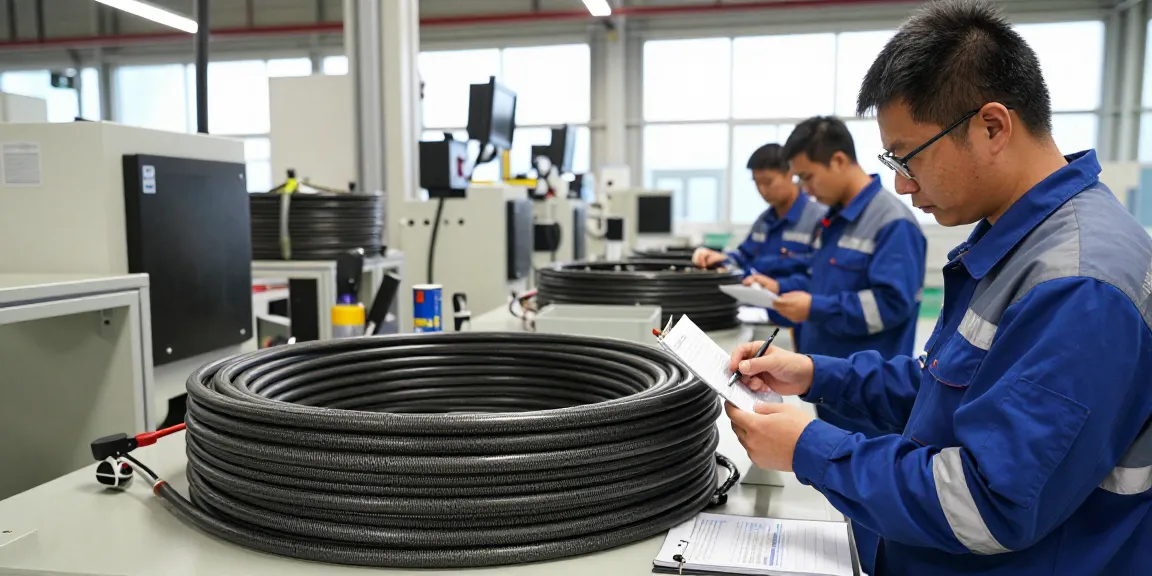
Understanding Corrosion Protection Coating
What is Corrosion Protection Coating?
Corrosion protection coating refers to a variety of protective layers applied to metal surfaces to safeguard them from the damaging effects of corrosion. The primary purpose of these coatings is to create a barrier between the metal and environmental elements such as moisture, chemicals, and oxygen, which can instigate the corrosion process. These coatings can be formulated from different materials, including polymers, epoxies, and specialized metallic compounds, all tailored to provide enhanced durability and resistance against corrosion.
Importance of Corrosion Protection Coating
The significance of corrosion protection coating cannot be overstated, particularly in industrial settings. Corrosion can lead to significant financial losses and safety hazards due to the deterioration of assets and the potential failure of critical systems. By investing in quality corrosion protection coating, organizations can extend the lifespan of their equipment and infrastructure, reduce maintenance costs, and improve operational efficiency. Moreover, a well-implemented coating strategy contributes to environmental sustainability by minimizing waste and the need for early replacements.
Types of Corrosion Protection Coating
There are several types of corrosion protection coatings, each with unique properties suitable for various applications. These include:
- Epoxy Coatings: Known for their strong adhesion and protective properties, epoxy coatings are ideal for harsh environments.
- Polyurethane Coatings: These coatings offer exceptional chemical resistance and flexibility, making them suitable for dynamic applications.
- Zinc-Rich Coatings: They provide cathodic protection, which prevents corrosion through the sacrificial action of zinc.
- Polymer Coatings: Versatile in their application, polymer coatings are frequently used for their ease of use and effectiveness in preventing corrosion.
Choosing the Right Corrosion Protection Coating
Factors to Consider
Selecting the appropriate corrosion protection coating involves various considerations, including the environment in which the coated material will operate, the substrate material, and the desired lifespan of the protection. Understanding the chemical exposure and physical stressors the coating will encounter is crucial. For instance, coatings used in marine environments must resist saline conditions while those used in industrial applications must endure harsh chemicals and solvents. Additionally, factors such as the temperature extremes and UV exposure must be factored into the decision-making process.
Common Application Scenarios
Corrosion protection coatings are applied across various industries and applications. Common scenarios include:
- Infrastructure: Bridges, roads, and railways often utilize coatings to enhance their durability against environmental factors.
- Oil and Gas: Pipelines and storage tanks benefit significantly from corrosion coatings to prevent leaks and failures.
- Maritime: Ships and offshore platforms require robust protective coatings due to constant exposure to seawater.
- Manufacturing: Equipment and machinery are coated to reduce wear and extend service life.
Evaluating Coating Performance
The performance of corrosion protection coatings can be assessed through various criteria, such as adhesion strength, mechanical properties, and resistance to chemicals and moisture. Regular inspections and testing, including accelerated weathering tests and salt spray tests, help evaluate the long-term efficacy of the coatings applied. Establishing performance metrics based on environmental conditions and expected service life allows for better product selection and application practices.
Application Techniques for Corrosion Protection Coating
Surface Preparation Steps
The effectiveness of a corrosion protection coating heavily depends on surface preparation. Proper cleaning and preparation of the metal substrate are essential to ensure that contaminants such as oils, dirt, rust, and other residues do not interfere with adhesion. Techniques such as sandblasting, grinding, and chemical cleaning are commonly employed to prepare surfaces. Additionally, surface roughness should be considered, as a rougher surface may enhance coating adhesion.
Application Methods
There are several application methods for corrosion protection coatings, including:
- Spray Application: Ideal for large surfaces and complex geometries, allowing for even coating distribution.
- Brush Application: Useful for touch-ups and areas requiring high precision, although it may not provide the same thickness as other methods.
- Roller Application: Suitable for broad surfaces, providing a thicker coat and faster application speed.
- Dip Coating: Involves immersing the object in the coating solution, ensuring complete coverage, particularly for hollow objects.
Safety Precautions
Safety is paramount when applying corrosion protection coatings. Personal protective equipment (PPE) such as gloves, masks, and goggles should be worn to minimize exposure to hazardous materials. Adequate ventilation is essential, particularly when using solvent-based coatings, as fumes can be harmful. Following manufacturer's safety guidelines and ensuring proper disposal of waste materials is crucial to maintaining a safe working environment.
Maintenance of Corrosion Protection Coating
Routine Inspection Practices
To maintain the integrity of corrosion protection coatings, routine inspections are vital. Regularly scheduled checks can help identify early signs of degradation or failure, such as peeling, cracking, or blistering. Visual inspections, along with more thorough procedures like ultrasonic testing or radiography, enable facility managers to monitor coating performance and determine when maintenance or reapplication is necessary.
Reapplication Strategies
Reapplication of corrosion protection coatings is a necessary component of maintenance strategy. Factors influencing when to reapply include the type of coating used, environmental conditions, and the results of routine inspections. Developing a reapplication schedule based on coating performance and anticipated service life can optimize resource allocation and ensure continuous protection.
Common Issues and Solutions
Common challenges in maintaining corrosion protection coatings include adhesion failures, environmental damage, and service wear. Solutions often involve addressing the root causes, such as improving surface preparation techniques, selecting appropriate coatings, and ensuring proper application methods. Implementing a feedback loop, where inspection outcomes inform future maintenance strategies, can also enhance overall coating performance and longevity.
Future Trends in Corrosion Protection Coating
Innovations in Coating Materials
The development of advanced materials for corrosion protection is a key trend. Innovations include nanomaterials and self-healing coatings that can automatically repair minor damages, thus significantly extending the lifespan of the protective layer. These advanced coatings offer improved properties such as better adhesion, enhanced fluid barrier capabilities, and resistance to extreme temperatures or aggressive chemicals.
Sustainability in Coating Solutions
As industries increasingly focus on sustainability, eco-friendly corrosion protection coatings made from renewable resources or low-VOC (volatile organic compounds) formulations are gaining popularity. These sustainable options reduce environmental impacts while maintaining efficiency in corrosion protection, thus aligning with global efforts toward greener industrial practices.
Emerging Technologies
The incorporation of smart technologies and IoT (Internet of Things) within corrosion protection systems is emerging as a significant trend. Sensors embedded in coatings can provide real-time data on corrosion rates or coating integrity, enabling proactive maintenance decisions. These technologies enhance the reliability and efficiency of corrosion protection, ultimately contributing to longer-lasting infrastructure and reduced management costs.