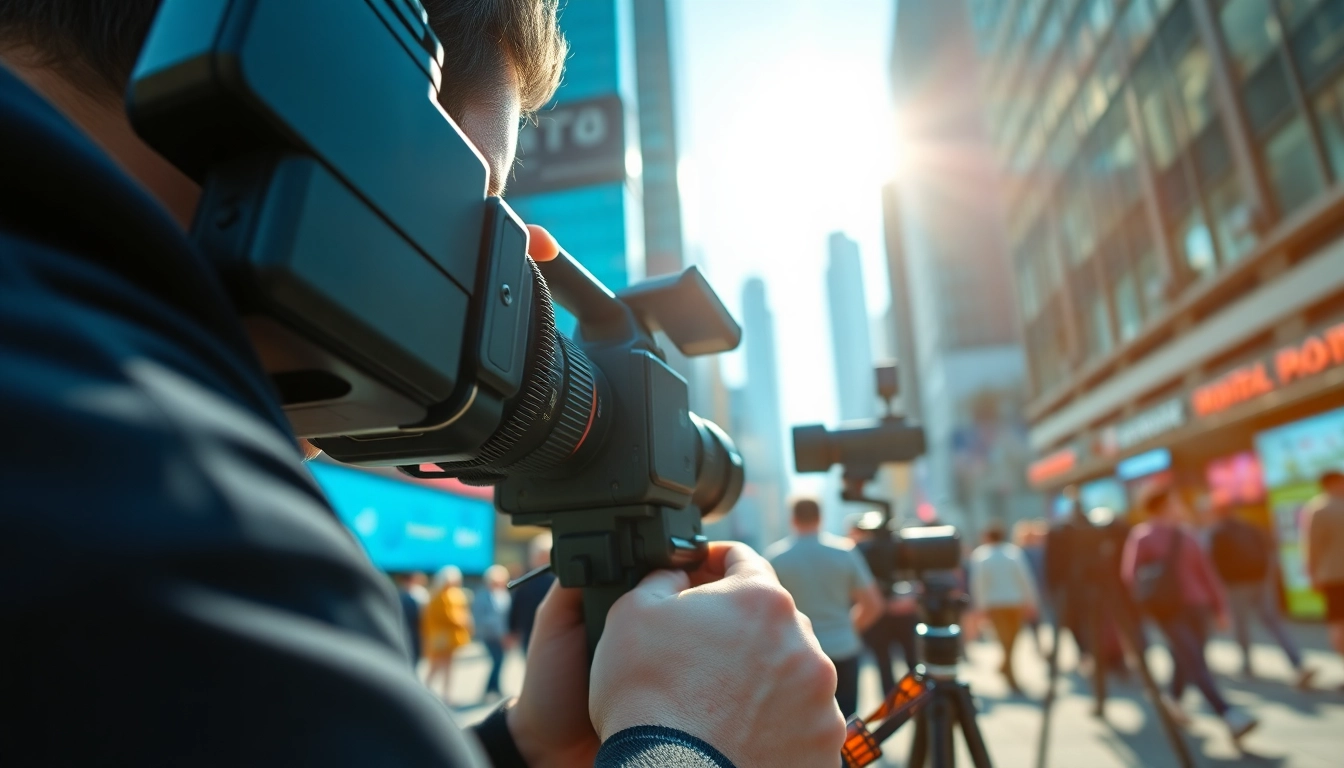
Understanding the Role of a Videographer
What Does a Videographer Do?
A Videographer plays a vital role in capturing stories on film, utilizing a blend of technical skills and artistry to produce visual content. Their responsibilities encompass various aspects of video production, including planning, shooting, and editing footage that effectively communicates a message or narrative. A videographer's work often extends beyond simply operating a camera; it involves conceptualizing ideas, directing scenes, and ensuring the final product aligns with the vision of clients or producers.
Typically, a videographer works in different environments, such as corporate settings, weddings, events, or promotional campaigns. Their expertise is essential in bringing projects from conception to reality, navigating creative and logistical challenges along the way. Understanding the multifaceted nature of this role is crucial for anyone looking to engage the services of a videographer or enter this exciting field.
Types of Videographer Services Available
Videographers offer a diverse range of services tailored to meet the unique needs of their clients. Some common types include:
- Event Videography: Capturing milestones such as weddings, birthdays, and other celebrations, where the focus is on documenting memories.
- Commercial Videography: Producing promotional materials, advertisements, and corporate videos, focused on brand messaging and marketing strategies.
- Documentary Videography: Telling real-life stories through interviews, b-roll footage, and compelling narratives that engage viewers on a deeper level.
- Educational Videography: Creating instructional videos, tutorials, and e-learning materials aimed at enhancing knowledge-sharing.
- Creative Videography: Working on artistic projects that may involve experimental techniques, music videos, and narrative short films.
Each type of videography presents its own challenges and creative opportunities, requiring a unique skill set and approach to ensure successful outcomes.
The Importance of Videography in Various Industries
Videography serves as a crucial element in numerous industries, impacting communication and engagement. In marketing, for instance, video content is becoming increasingly essential for captivation in digital spaces, leading to higher engagement rates. Educational institutions utilize videography to create learning modules that enhance student comprehension by offering an interactive element.
In the corporate arena, companies rely on videographers to showcase their brand, products, or services. Video testimonials from satisfied customers can build trust and authenticity, making videography a powerful marketing tool.
Additionally, the entertainment industry heavily depends on skilled videographers to produce films, television shows, and online content. Their expertise is vital in crafting stories that resonate with audiences, making videography integral to contemporary storytelling.
How to Choose the Right Videographer
Evaluating Experience and Portfolios
When selecting a videographer, assessing their experience and reviewing their portfolios is fundamental. An established videographer will typically showcase a variety of completed projects that reflect their style and capabilities. Look for work that resonates with your vision—considering elements like storytelling techniques, editing style, and cinematography.
Engaging with past clients to gather feedback about their experiences can also be beneficial. Understanding the videographer's professionalism, communication style, and reliability can guide you in making an informed choice.
Assessing Equipment and Technology Used by the Videographer
The quality of equipment a videographer uses significantly influences the final product. Inquire about the type of cameras, lighting setups, and audio equipment they employ. High-definition cameras paired with professional-grade microphones can yield exceptional results.
Additionally, understanding how a videographer incorporates technology such as drones for aerial shots, gimbals for stabilization, and editing software can offer insight into their production capabilities. A commitment to staying updated with the latest technology often reflects a videographer’s dedication to their craft.
Understanding Budget and Pricing Structures
Budgeting is a critical component when hiring a videographer. Familiarize yourself with standard pricing structures within the industry to avoid overspending or underestimating costs. Videographer fees can vary widely based on experience, location, and the complexity of the project.
Typically, videography services may charge a flat fee per project or by the hour. Be sure to discuss what is included in the price, such as pre-production planning, filming hours, post-production editing, and any additional expenses you may incur—like travel or equipment rental. Clearly defining the scope will prevent misunderstandings and ensure that both parties are on the same page.
Key Skills and Qualities of a Good Videographer
Technical Proficiency and Creativity
A superior videographer possesses both technical proficiency and creative vision. Mastery of camera techniques, lighting, audio, and editing software enables them to create visually appealing and coherent videos. However, creativity is what allows videographers to elevate their work beyond the ordinary.
The ability to visualize the final product during pre-production stages is crucial. Good videographers think outside the box, finding innovative angles and unique storytelling approaches that leave lasting impressions on viewers.
Communication Skills for Effective Collaboration
Effective communication is paramount when working with clients, crew members, and talent. A successful Videographer must convey ideas, expectations, and feedback clearly to ensure everyone involved is aligned. This collaboration is vital during pre-production meetings, on-set direction, and post-production reviews.
Taking the time to listen to client needs and incorporate their feedback creates an environment of cooperation and yield greater results. Building a rapport with clients minimizes stress and fosters a positive working atmosphere, ultimately enhancing the final product.
Problem-Solving Abilities in High-Pressure Situations
Filming can often present unforeseen challenges, from weather disruptions to equipment malfunctions. A skilled videographer is adaptable and possesses strong problem-solving abilities, allowing them to address these challenges on the fly. This adaptability not only ensures that production stays on track but also demonstrates professionalism and leadership capabilities.
Before any shoot, it's prudent for videographers to have contingency plans in place to mitigate potential disruptions. Drawing from past experiences and lessons learned can equip videographers with the foresight needed to handle unexpected scenarios efficiently.
Preparing for Your Videography Project
Setting Clear Objectives and Vision
Establishing clear objectives for your videography project is essential to ensure the desired outcome. Take time to articulate your vision, identifying specific goals such as brand messaging, intended audiences, and emotional responses you hope to evoke.
Once objectives are firmly established, communicate them to your chosen videographer to ensure everyone is aligned. A shared understanding of the vision will guide the creative process and contribute to a cohesive final product.
Logistical Considerations for Filming
Logistics play a significant role in the success of a videography project. This includes scheduling, location scouting, and obtaining necessary permits. Videographers often have experience in navigating logistical hurdles, but collaboration from the client side can enhance efficiency.
Additionally, consider the timing of your shoot. Proper planning allows for the best lighting conditions and minimizes disruptions, contributing to a smoother filming experience. Preparing a detailed shot list and discussing it with your videographer can streamline the process and boost productivity during filming.
How to Provide Effective Feedback to Your Videographer
Providing feedback is a crucial part of the collaborative process and can significantly impact the final product. To give constructive feedback, ensure that it is specific, actionable, and framed positively. By focusing on aspects you appreciate alongside areas for improvement, you create an encouraging environment for growth.
Open communication throughout the editing process can further enhance outcomes. Create checkpoints to review drafts or rough cuts, allowing for iterative feedback that can be applied at each stage. This collaborative spirit ensures that both you and the videographer are working towards a shared vision.
Measuring the Success of Your Videography
Evaluating the Final Product against Initial Goals
Once your project is complete, measuring its success becomes essential. Begin by comparing the final product to the initial goals set during the project’s inception. Did the video fulfill its intended purpose? Did it resonate with its target audience as anticipated?
Gather insights from all stakeholders involved, including clients, colleagues, and even audience members to get a holistic view of the video's effectiveness. Consider analytics data for online videos, such as views, engagement rates, and demographic insights, which can provide quantitative evidence of success.
Gathering Audience Feedback and Reactions
Another effective method of evaluating your videography project is by soliciting feedback from its audience. Surveys, focus groups, or social media insights can provide invaluable information about how the video was received. Pay close attention to both qualitative and quantitative data, as they can pinpoint strengths, weaknesses, and areas for future improvement.
Encouraging viewers to share their thoughts can foster a sense of community and connection while providing you with actionable insights to inform future projects.
Using Videography to Enhance Brand Messaging
Finally, leveraging videography as a tool for enhancing brand messaging is a powerful strategy. High-quality video content can effectively convey your brand's ethos, values, and unique selling propositions. Consider integrating videos into your overall marketing strategy, utilizing them across various platforms to promote consistency and reinforce your brand identity.
In summary, measuring the success of your videography project allows you not only to assess its impact but also to make informed decisions for future endeavors that can help your brand thrive in an increasingly visual world.