Understanding the Basics of Gardening
Defining Gardening and Its Importance
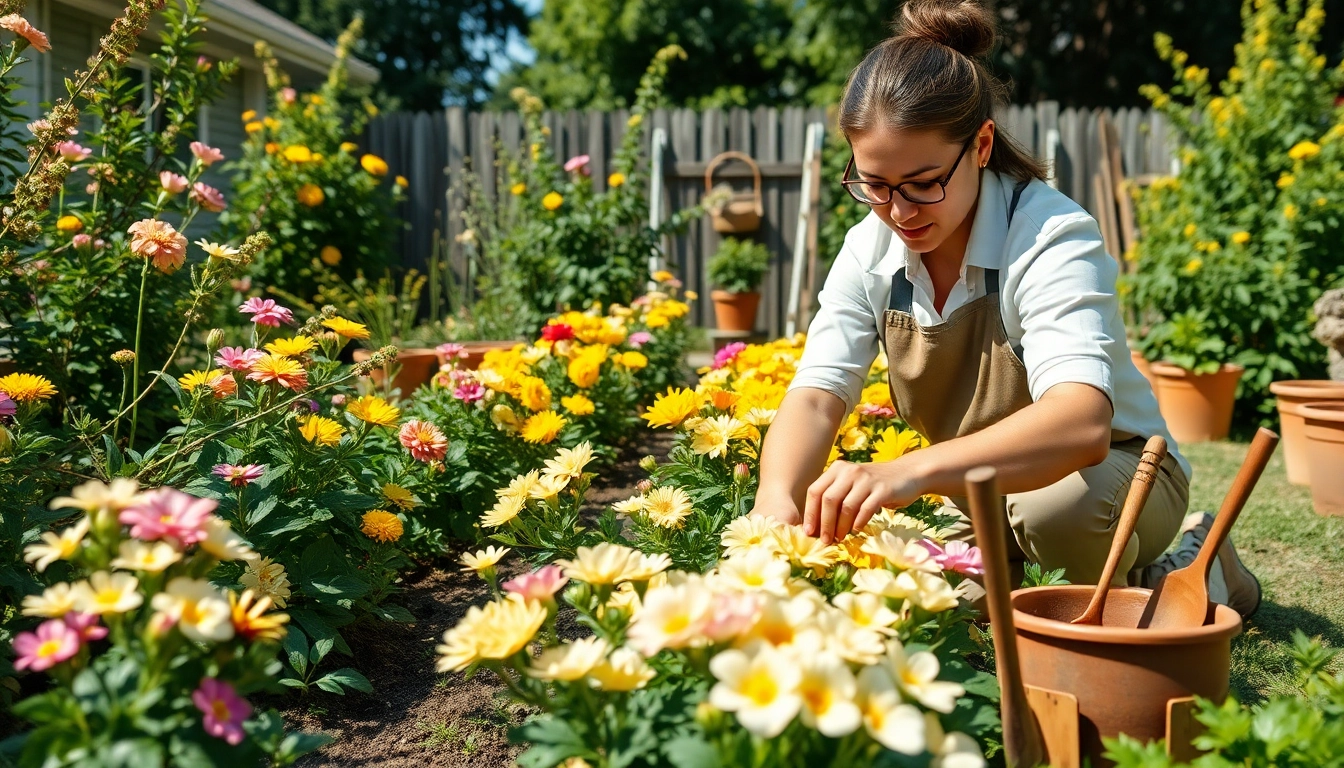
Gardening is a form of cultivation that aims to grow plants, be it for food, decorative purposes, or simple enjoyment. It encompasses various activities including planting, nurturing, and harvesting plants in designated spaces, from small containers to vast landscapes. Its significance is underscored by its role in sustaining the environment, enhancing nutrition, and serving as a form of therapeutic relief for many. The practice not only connects individuals with nature but also fosters a sense of community through shared experiences and knowledge exchange. Furthermore, as urbanization increases, personal and community gardening offer vital green spaces, helping mitigate pollution and providing habitats for biodiversity. For more on personal enrichment through gardening, visit Gardening.
The Benefits of Gardening for Wellness
Engaging in gardening has been linked to numerous benefits for mental and physical health. Firstly, it acts as a natural stress reliever, reducing anxiety and enhancing mood through physical activity and exposure to sunlight. Studies show that spending time outdoors cultivates a sense of joy and tranquility. Gardening provides moderate exercise, improving cardiovascular health and physical dexterity while promoting bodily relaxation.
Beyond physical benefits, the emotional aspects of gardening are profound. Nurturing plants instills a sense of purpose and achievement. Many find solace in the meditative qualities of gardening, allowing the mind to focus and wander peacefully. Additionally, gardening encourages a healthier diet; homegrown fruits and vegetables have been shown to stimulate healthier eating habits, thereby reducing the risk of obesity and related diseases.
Key Tools and Materials for New Gardeners
Starting a garden can be overwhelming without the right tools. Fortunately, the essentials are relatively accessible. Key tools include:
- Spade: Ideal for turning over soil and planting.
- Hand trowel: Perfect for digging and planting smaller spaces.
- Pruning shears: Essential for trimming plants and flowers.
- Garden fork: Useful in aerating soil and breaking up clumps.
- Watering can or hose: Necessary for delivering moisture to your plants.
Additionally, using quality soil and organic compost can significantly enhance plant growth and resilience. As you gain experience, you may opt for specialized tools tailored for specific gardening styles, but starting with the basics fosters an environment for learning and growth.
Choosing the Right Plants for Your Garden
How to Select Plants Based on Climate
Selecting the right plants begins with understanding your local climate. Different plants thrive in varying conditions of temperature, rainfall, and sunlight. Researching your USDA Hardiness Zone can provide insight into which plant species are well-suited for your area. Tropical plants flourish in warm climates, while perennial flowers may be ideal for temperate zones.
Consider the seasonal changes your region experiences. For gardeners in warmer climates, choosing drought-resistant plants like succulents or Mediterranean herbs can conserve water. Conversely, in colder regions, native plants that endure chill are advisable as they are better adapted to local soil and precipitation patterns.
Understanding Plant Lifecycles: Annuals vs. Perennials
When selecting plants, it is essential to understand their lifecycles. Annuals are plants that complete their life cycle in one growing season. They are excellent for seasonal color, as they bloom profusely until the first frost. Popular annuals include marigolds, petunias, and zinnias.
Perennials, on the other hand, live for multiple years, making them a more sustainable option when planted correctly. They may require a bit of care to help them flourish, but once established, they can provide reliable blooms. Examples include coneflowers, peonies, and daylilies. Understanding the differences allows gardeners to create dynamic ecosystems with perennial foundations complemented by annual color bursts.
Creating a Balanced Garden Ecosystem
A thriving garden relies on a balanced ecosystem where various plants interact beneficially. Incorporating a mix of different plant types—such as flowering plants for pollinators and leafy greens for ground cover—can create a rich habitat to support wildlife. Additionally, integrating native species enhances biodiversity while promoting soil health and stability.
Moreover, compartmentalizing your garden into zones can help manage light and water needs effectively. For example, grouping shade-loving plants together while placing sun-lovers in exposed areas ensures that every plant can thrive without excessive competition.
Garden Preparation and Soil Health
Soil Testing: Knowing Your Garden's Needs
Healthy plants begin with healthy soil. Conducting a soil test is crucial before planting to understand nutrient levels, pH balance, and any deficiencies. Soil testing kits are readily available, or you may opt for professional services to analyze your soil composition. Understanding these factors informs decisions about what fertilizers or natural amendments are necessary.
Common amendments include lime to raise pH or sulfur to lower it, and organic matter such as well-rotted manure or compost to enhance soil fertility and texture. Regular testing enables gardeners to monitor changes and adjust their gardening practices accordingly.
The Importance of Compost and Fertilizers
Compost plays a crucial role in sustainable gardening practices as it enriches the soil with nutrients while improving its structure and moisture retention. By recycling organic waste—such as vegetable peels, coffee grounds, and yard clippings—gardeners contribute to a closed-loop system that benefits their plants.
When additional nutrients are needed, fertilizers can supplement plant health. Organic fertilizers have become increasingly popular due to their gradual nutrient release and minimal environmental impact. Options include fish emulsion, bone meal, and blood meal. However, it's essential to apply fertilizers judiciously to avoid over-fertilization, which can harm plants and the environment.
Techniques for Effective Soil Cultivation
Effective soil cultivation involves proper breaking up and aeration processes, which allow air and water to penetrate the soil more effectively. Traditional methods include tilling, but techniques like double digging or using a broad fork can minimize soil disturbance while enhancing root development.
Mulching is another beneficial practice that protects soil health by suppressing weeds, retaining moisture, and adding organic matter as it breaks down. Organic mulches, such as straw or wood chips, offer the added benefit of fostering beneficial microbes, creating a healthier ecosystem underground.
Watering and Maintenance Techniques
Best Practices for Watering Your Garden
Watering is a fundamental aspect of successful gardening. Proper technique ensures that plants receive the moisture they need without over-saturation. The best practice is to water deeply and less frequently, allowing the soil to dry out between watering sessions. This encourages deep root growth, leading to more resilient plants.
The timing of watering matters, too. Early morning is generally the best time to water, as it provides plants with moisture before the heat of the day can evaporate it. Additionally, using drip irrigation systems or soaker hoses maximizes water efficiency, ensuring it reaches the roots where it is most needed.
Mulching Strategies for Soil Conservation
Mulching not only conserves moisture but also aids in maintaining soil temperature and suppressing weeds. Organic mulch, such as bark chips or hay, can be sourced locally and can enrich the soil as it decomposes. An ideal layer should be 2-3 inches thick, spread evenly around plants but kept clear from plant stems to prevent rot.
In contrast, non-organic mulch—such as gravel or landscape fabric—can be effective for areas where aesthetics are prioritized. However, these do not contribute nutrients as they decompose, so periodic testing for soil health remains essential.
Pest Control: Natural vs. Chemical Solutions
Pest control in gardening can evoke a spectrum of strategies, from chemical pesticides to organic solutions. Embracing natural pest management often involves integrating practices such as introducing beneficial insects like ladybugs or using physical barriers like netting to protect crops.
For specific infestations, natural remedies such as neem oil, insecticidal soap, and diatomaceous earth can be effective without the harsh residues of chemical treatments. Always consider the environmental impact and potential effects on non-target species before choosing a pest control method.
Advanced Gardening Strategies for Enthusiasts
Implementing Crop Rotation for Plant Health
Crop rotation is vital for maintaining nutrient balance within the soil and preventing disease buildup. Rotating plant families—such as legumes, which fix nitrogen, with root crops that deplete it—enhances soil quality. Generally, adhering to a three-year rotation plan is advisable.
Planning should consider the growth characteristics of crops and their nutrient demands, resulting in healthier plants and reduced pest pressures. Companion planting can complement crop rotation by further diversifying the soil and encouraging beneficial interactions among plants.
Companion Planting: Enhancing Growth Together
Companion planting is a method of growing multiple different plants in proximity for mutual benefit. Certain plants can repel pests, enhance growth, or improve flavors when planted together. Classic examples include planting marigolds alongside tomatoes to deter nematodes or pairing basil with peppers to enhance flavor.
Understanding plant relationships helps gardeners make informed decisions that strengthen plant health and increase yields. Incorporating diverse plantings invites beneficial insects while limiting harmful pest populations, leading to a holistic approach to garden management.
Embracing Sustainable Gardening Practices
In today's world, embracing sustainable gardening practices is essential to promote environmental responsibility. This includes conserving water, using native plants, and reducing waste through composting and recycling materials. Moreover, sustainable gardening fosters biodiversity, contributes to local ecosystems, and reduces dependence on artificial inputs.
Engaging in permaculture principles—such as designing gardens that mimic natural ecosystems—can lead to greater resilience and productivity. By observing nature and integrating its patterns into their gardening practices, enthusiasts can cultivate gardens that are not only beautiful but also sustainable and enduring.