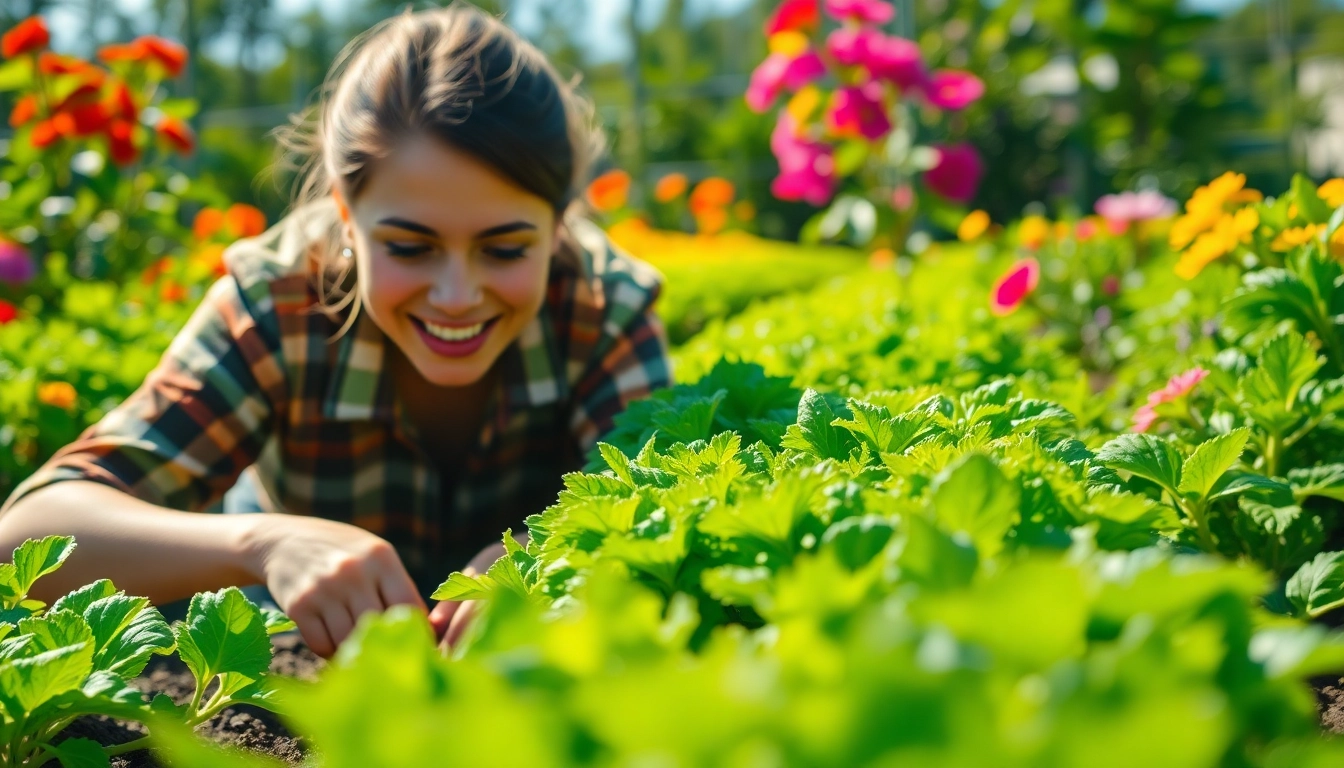
Starting Your Gardening Journey
Understanding Soil Types and Preparation
Embarking on your Gardening journey begins with understanding the foundation of all plant life: the soil. Soil is not just dirt; it is a complex ecosystem that provides the essential nutrients, structure, and support that plants need to thrive. There are three primary types of soil: sandy, clay, and loamy, each with its unique characteristics that impact drainage, nutrient retention, and aeration.
Sandy soil drains quickly but has low nutrient retention, making it essential to regularly amend with organic matter to support plant health. Clay soil, on the other hand, retains moisture and nutrients, which can lead to waterlogged conditions if not properly managed. Loamy soil is a balanced mixture of sand, silt, and clay, offering an ideal growing medium with good drainage and nutrient content.
Before planting, it’s crucial to test the soil in your garden. A soil test will reveal pH levels and nutrient content, allowing you to make informed decisions about necessary amendments. You can improve soil quality by integrating organic matter such as compost, well-rotted manure, or leaf mold. Additionally, understanding your local climate and environment will help you select the best soil preparation practices.
Selecting the Right Plants for Your Garden
Choosing the right plants is a vital step in ensuring a bountiful garden. Consider factors like climate, soil type, and the amount of sunlight available in your garden space. Native plants and those that are well-adapted to your region tend to thrive with less maintenance and fewer pest issues. Consult local gardening guides or agricultural extensions to learn about which plants grow best in your area.
It’s also important to consider your garden’s purpose. Are you looking to grow vegetables, flowers, or ornamental plants? Each category has its specific requirements in terms of care and compatibility. For instance, some flowering plants like sunflowers need full sun, while others like ferns prefer shade. Moreover, companion planting principles can help you maximize space and reduce disease while encouraging beneficial insects.
Essential Gardening Tools and Their Uses
Having the right tools can significantly enhance your gardening experience. Essential tools include a well-rounded set of hand tools like trowels, pruners, and weeding forks. A quality garden spade is indispensable for turning soil, while a garden hoe helps manage weeds. Additionally, gloves protect your hands from thorns and blisters, making gardening a more enjoyable endeavor.
Gardeners should also consider their specific needs when selecting tools. For those working with raised beds, long-handled tools may not be necessary, whereas urban gardeners might benefit from compact tools. High-quality gardening equipment may require a higher initial investment, but the durability often leads to long-term savings and enhanced garden productivity.
Best Gardening Practices for Optimal Growth
Watering Techniques for Healthy Plants
Proper watering can be the difference between a flourishing garden and a failing one. Factors like plant type, environment, and soil moisture levels will determine your watering schedule. Generally, it's better to water deeply but infrequently, allowing plants to establish strong root systems.
Soaker hoses or drip irrigation systems are both excellent choices for efficient watering, reducing evaporation and delivering moisture directly to the plant’s roots. Keep in mind that overwatering can be just as detrimental as underwatering. Understanding your plants' specific needs will lead to optimal results.
Importance of Sunlight and Plant Placement
Sunlight is a critical factor for photosynthesis, the process through which plants produce energy. Therefore, understanding how light filters through your garden throughout the day is essential for successful Gardening. Most vegetables and flowering plants require at least six hours of direct sunlight daily. Shade-loving plants, such as hostas or ferns, can thrive in partially shaded areas.
When planning your garden layout, consider the height and spread of plants to ensure taller varieties don’t block light from shorter ones. Use a sun map to identify bright spots and shaded areas to better place your plants.
Soil Enrichment and Fertilization Strategies
A successful garden requires not just any soil but enriched, nutrient-rich soil. Regularly incorporating organic compost can improve soil structure and nutrient availability. Fertilizers come in many forms—organic, synthetic, granular, or liquid—each with its advantages. Following soil test results will guide the selection and application of the right fertilizers for your plants.
Timing application is vital. For instance, heavy feeders such as tomatoes benefit from fertilization at regular intervals during the growing season, while others may only require initial application at planting. Always follow the recommended guidelines to avoid nutrient burn and keep plants healthy.
Overcoming Common Gardening Challenges
Dealing with Pests Effectively
Pests are an inevitable part of gardening, but understanding how to manage them is crucial. Integrated Pest Management (IPM) combines approaches like biological control, habitat manipulation, mechanical control, and the responsible use of pesticides. For example, introducing beneficial insects like ladybugs can help reduce aphid populations without harmful chemicals.
Regular inspection of your plants and early detection can prevent minor infestations from becoming severe problems. Consider using physical barriers such as row covers or nets to protect plants from pests while they are young.
Weather Considerations for Gardening
Weather plays a significant role in the success of any garden. Understanding your local climate—and the seasonal changes that come with it—can help you make better choices regarding what to plant and when. Extreme temperatures, droughts, and heavy rains can all impact plant health. Utilizing weather forecasts and responding accordingly can keep your garden resilient.
For instance, choosing cold-resistant varieties and planting them ahead of frost can extend your gardening season. Similarly, using mulch can help retain soil moisture during dry spells.
Preventing and Managing Plant Diseases
Plants are susceptible to a variety of diseases, ranging from fungal infections to viral infestations. Recognizing symptoms early is key to effective management. Practice crop rotation to prevent soil-borne diseases, maintaining a healthy garden with diverse plant species. Increasing air circulation and ensuring proper spacing can also help reduce humidity around plants, discouraging disease development.
Incorporating disease-resistant plant varieties can also provide an added layer of protection. When disease issues arise, consider using organic treatments, focused on efficacy while maintaining a healthy ecosystem.
Advanced Gardening Techniques and Innovations
Vertical Gardening for Limited Spaces
For those with limited gardening space, vertical gardening offers an innovative way to cultivate plants while maximizing area. This technique utilizes vertical structures such as trellises, towers, or wall-mounted planter systems to grow plants upwards. Benefits include improved air circulation, easier access for harvesting and tending, and enhanced aesthetics.
Select plants that are conducive to vertical growth, such as peas, cucumbers, and certain flowering vines. Vertical gardening can be an excellent option for urban dwellers looking to incorporate more greenery into their environment.
Organic Gardening Practices for Sustainability
Organic gardening embraces sustainability and environmental awareness. It focuses on maintaining soil health, biodiversity, and ecosystem balance, promoting the use of organic amendments and natural pest deterrents. Composting kitchen waste and using organic methods enriches soil, while companion planting helps control pests naturally.
By avoiding synthetic chemicals, organic gardening fosters a healthy ecosystem that benefits not just plants but also local wildlife. Adopting these practices enhances food quality and supports personal and planetary health.
Utilizing Technology in Gardening
Modern technology has transformed gardening practices, offering tools that streamline processes and improve results. Smart irrigation systems, which adjust watering schedules based on weather conditions, help conserve water while ensuring plants’ needs are met. Additionally, gardening apps allow for meticulous planning, plant tracking, and pest identification.
Automation, in areas such as light regulation and environmental controls in greenhouses, can facilitate the optimal growth environment for plants, regardless of external conditions.
Building Community Through Gardening
Participating in Local Gardening Clubs
Joining a local gardening club can provide invaluable resources and networking opportunities. Not only do these clubs offer community support, but they also present avenues for sharing knowledge and exchanging gardening practices. Group events, workshops, and garden tours can enhance your skills while building a supportive network.
Meeting like-minded individuals fosters a sense of belonging, sharing both successes and challenges. This camaraderie can invigorate your gardening passion and inspire new ideas.
Sharing Your Gardening Knowledge with Others
As you gain expertise through your gardening journey, consider sharing your knowledge with others. Teaching gardening to kids or hosting workshops in your community allows you to give back while nurturing a new generation of gardeners. Creating blog posts, social media content, or even videos can inspire others to explore the joys of Gardening.
Documenting your experiences also helps solidify your own learning while providing valuable insights to novices. Engaging with local schools or community centers to start educational programs can spread horticultural knowledge and enthusiasm.
Creating Community Gardens for Collaboration
Community gardens are an excellent way to promote collaboration and create green spaces in urban settings. These gardens encourage local residents to come together, plant, and maintain shared plots, reinforcing community bonds while producing fresh food.
To establish a community garden, connect with local authorities and community organizations to acquire land, gather participants, and outline responsibilities. Creating a structure for garden management and sharing success stories can attract more members, enriching the communal spirit and the local environment.