Getting Started with Gardening Basics
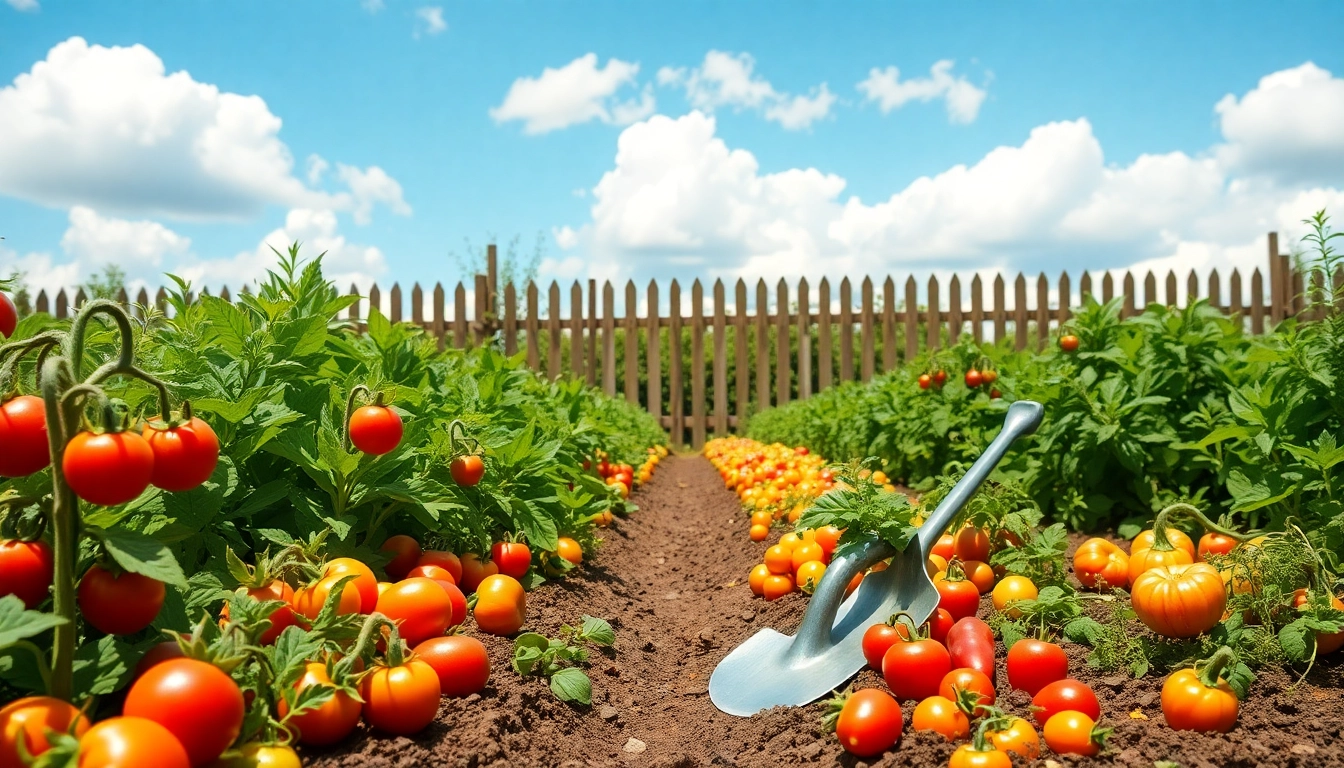
Embarking on the journey of Gardening can be both exhilarating and overwhelming, especially for beginners. The satisfaction of nurturing plants from seed to harvest is a rewarding experience that offers immense joy and a connection to nature. However, understanding the fundamentals of gardening is crucial for anyone who wishes to foster a flourishing green space. In this guide, you will learn about essential principles such as soil types, plant selection, and important gardening tools that form the groundwork for successful gardening.
Understanding Soil Types for Gardening
The foundation of any garden is its soil, which plays a key role in plant health and productivity. Understanding different soil types can help you choose the right plants and amend the soil accordingly for optimal growth. Here are the primary soil types you should be aware of:
- Sandy Soil: Drains quickly but retains little moisture and nutrients. Ideal for root vegetables like carrots.
- Clay Soil: Retains moisture but can become compacted, making it hard for roots to grow. Consider adding organic matter to improve its structure.
- Silty Soil: Rich in nutrients and has good moisture retention, making it suitable for a variety of plants.
- Loamy Soil: A balanced mixture of sand, silt, and clay, making it the best type for most gardens as it provides good drainage while retaining nutrients.
Testing your soil type using a simple home test can guide you in understanding how to amend the soil for optimal plant growth. Add organic matter like compost to improve soil quality regardless of what type you have.
Selecting the Right Plants for Your Area
Choosing the right plants for your local climate and soil conditions is essential in establishing a thriving garden. Here are some tips for selecting plants effectively:
- Know Your Hardiness Zone: Understanding your USDA hardiness zone will inform you about the plants that can thrive in your climate.
- Choose Native Plants: Native species require less maintenance and are better adapted to your local environment, which makes them more resilient to pests and diseases.
- Consider Sunlight and Space: Assess the amount of sunlight your garden receives daily. Ensure the plants you choose are suited for either full sun, partial shade, or full shade.
Research plant options and reach out to local gardening centers for advice on which varieties are best suited to your area.
Essential Gardening Tools You Need
Having the right tools can significantly improve your gardening experience and efficiency. Here are some essential gardening tools:
- Hand Tools: Trowels, weeders, and pruning shears are vital for planting, weeding, and maintenance.
- Garden Fork: Ideal for turning soil and mixing in compost or fertilizers.
- Rake: Good for leveling soil and cleaning up leaves and debris.
- Watering Can or Hose: Essential for consistent watering, including a soaker hose for deep watering.
- Garden Gloves: Protect your hands from thorns and dirt while working in the garden.
Investing in quality tools can make your gardening tasks easier and more enjoyable. Consider ergonomically designed options if you have physical limitations.
Creating a Garden Design That Flourishes
A well-thought-out design can make a world of difference when it comes to the beauty and productivity of your garden. It's essential to plan your garden layout, incorporate companion planting, and utilize vertical gardening techniques effectively.
Planning Your Garden Layout Effectively
Creating an effective garden layout involves planning the location of plants based on their growth habits, sunlight needs, and water requirements. Here are steps to help you plan:
- Sketch Your Layout: Start with a rough sketch of your garden space. Include dimensions, sunlight patterns, and water sources.
- Group Plants with Similar Needs: Plant species that require similar amounts of sunlight and water together to ensure they thrive.
- Utilize Paths: Plan for walking paths to prevent stepping on soil and damaging roots while maintaining access for maintenance.
By taking time to plan your garden, you set yourself up for greater success and ease of maintenance throughout the growing season.
Incorporating Companion Planting in Gardening
Companion planting involves growing different plants in proximity for mutual benefits such as pest control, pollination, and improved growth. For example:
- Marigolds and Tomatoes: Marigolds can deter pests that commonly afflict tomatoes.
- Beans and Corn: Beans add nitrogen to the soil while climbing up the corn stalks for support.
- Basil and Peppers: Basil is known to improve the flavor of peppers and repel certain pests.
Research various companion planting combinations to maximize the benefits in your garden.
Utilizing Vertical Gardening Techniques
Vertical gardening is an effective way to maximize space, particularly in smaller gardens or urban settings. Here are techniques to consider:
- Vertical Frames: Use trellises, cages, or wall-mounted planters to grow climbing plants like peas, tomatoes, and cucumbers.
- Stacked Containers: Creating a tiered system of pots can lushly grow herbs and flowers while saving horizontal space.
- Hanging Baskets: Ideal for trailing plants such as strawberries or flower cascading over the edges.
Vertical gardening allows you to explore creative planting arrangements and can provide a vibrant aesthetic to your outdoor space.
Best Practices for Maintaining a Healthy Garden
Once your garden has been established, it's essential to implement best practices for ongoing care. Focus on watering techniques, pest control strategies, and seasonal care to ensure a healthy garden.
Watering Techniques for Optimal Growth
Watering is one of the most critical aspects of gardening, as both overwatering and underwatering can be detrimental. Here are effective watering techniques:
- Deep Watering: Water deeply and less frequently to encourage root growth. Aim for about an inch of water per week.
- Time Your Watering: Water early in the morning or late in the evening to reduce evaporation and fungal disease.
- Soil Moisture Monitoring: Use a soil moisture meter or your finger to check if the soil needs water.
Remember that different plants have varying water needs, so tailor your approach accordingly.
Pest Control Strategies in Gardening
Gardening can attract pests that threaten the wellbeing of your plants. Employ the following pest control strategies:
- Integrated Pest Management (IPM): Combine biological, chemical, and cultural practices to manage pests sustainably.
- Encourage Beneficial Insects: Ladybugs and lacewings can help control aphid populations naturally.
- Plant Barriers: Use row covers or netting to keep pests away from your crops.
Regular monitoring and prompt action can prevent pests from taking over your garden.
Seasonal Care for Your Garden Plants
Seasonal care is essential for optimizing plant growth and productivity. Adjust your gardening practices based on the seasons:
- Spring: Prepare the soil by removing debris, testing soil pH, and adding organic matter before planting.
- Summer: Focus on watering, weeding, and pest control to ensure plants thrive in the warmer months.
- Fall: Harvest crops, mulch perennial beds, and plant cover crops to enrich soil during winter.
- Winter: Use this time for planning the next growing season, starting seeds indoors, and organizing tools.
By aligning your gardening tasks with the changing seasons, you ensure that your plants receive the care they need to flourish year-round.
Enhancing Your Gardening Knowledge and Skills
Gardening is an ever-evolving practice; enhancing your knowledge and skills is crucial for long-term success. Explore online resources, join local gardening communities, and consider enrolling in workshops to grow your gardening expertise.
Online Resources for Gardeners
The internet is full of valuable gardening resources. Websites, forums, and online courses can provide insightful information. Popular online resources include blogs and forums dedicated to specific gardening topics, instructional videos on platforms like YouTube, and dedicated gardening websites that offer tips, tricks, and community insights.
Joining Local Gardening Communities
Connecting with local gardening communities can provide you with firsthand knowledge and encouragement from fellow gardeners. Look for:
- Community Gardens: Join a local community garden where you can share resources and knowledge.
- Local Gardening Clubs: Participate in clubs that hold regular meetings and offer workshops.
- Local Workshops: Engage in workshops and events hosted by gardening experts or horticultural societies.
Networking within local gardening groups can not only be delightful socially but also immensely enriching educationally.
Enrolling in Gardening Workshops and Courses
Formal education through workshops or courses allows you to dive deeper into specific gardening topics, such as organic gardening, landscaping principles, or flower arranging. Institutions, gardening centers, and community colleges often offer affordable options. These can provide hands-on experience and expert guidance that can enhance your gardening skills.
Measuring Success in Your Gardening Journey
Tracking and evaluating your gardening progress can inform your future decisions and practices. This means keeping a journal, evaluating plant health, and adapting your techniques based on observation and results.
Keeping a Gardening Journal for Growth Tracking
Maintaining a gardening journal is an excellent way to record observations, successes, and failures. Include details such as:
- Planting dates and varieties
- Growth patterns and conditions
- Pest and disease occurrences
- Overall yields and harvests
By reviewing your journal, you can identify trends over time that will help you make informed decisions about future gardening practices.
Evaluating Plant Health and Yield
Regularly assess the health of your plants by looking for signs of stress, such as yellowing leaves or stunted growth. Monitor yields closely, as this can indicate if your practices are effective or if adjustments are needed. Factors to consider include:
- Soil health and fertility
- Plant variety suitability
- Environmental conditions like temperature and humidity
Evaluating these aspects can guide you in refining your gardening approach for maximum output.
Adapting Your Gardening Techniques Over Time
Gardening is a learning experience, and it’s essential to adapt your methods based on the insights you gain from evaluating your garden. What works one season may not work the next due to changing environmental factors, new pests, or other variables. Stay flexible, be willing to experiment with new techniques, and remember that every garden teaches its caretaker something new.
Through continuous learning and adaptation, your gardening journey will not only yield bountiful harvests but will also foster a deeper connection to nature and personal satisfaction.