Introduction to Gardening for Beginners
Gardening is a rewarding hobby, allowing individuals to connect with nature while cultivating beautiful and nourishing plants. Whether you aspire to grow vibrant flowers, fresh vegetables, or aromatic herbs, understanding the fundamental principles of gardening can set you on the path to success. This guide endeavors to provide invaluable insights into various aspects of gardening, empowering beginners to dive into this fulfilling pursuit with confidence. For further resources and information, you can explore Gardening.
Understanding the Basics of Gardening
At its core, gardening is the practice of cultivating soil, plants, and flowers to create a balanced ecosystem that thrives on care and attention. Understanding the different elements that influence growth is vital for success. Key aspects include:
- Soil: The foundation for all plant growth, with components that can drastically affect nutrient availability.
- Water: Essential for plant health, influencing both growth and the overall vigor of plants.
- Sunlight: A critical factor in photosynthesis, determining which plants will flourish in your garden.
- Climate: Understanding your local climate will help you select plants that will thrive in your area.
Selecting the Right Plants for Your Space
Choosing the right plants for your gardening space is crucial for success. Here's how to approach this:
- Assess Your Environment: Check your sunlight exposure, soil type, and climate. This will help you select suitable plants.
- Research Suitable Plants: Look for plants that match your environmental conditions. Native plants often require less care and maintain local biodiversity.
- Consider Your Goals: Determine if you want a colorful flower garden, a productive vegetable garden, or a fragrant herb garden to guide your plant choices.
Essential Tools and Supplies for Gardening
Having the right tools can make gardening much easier and more enjoyable. Essential tools for beginners include:
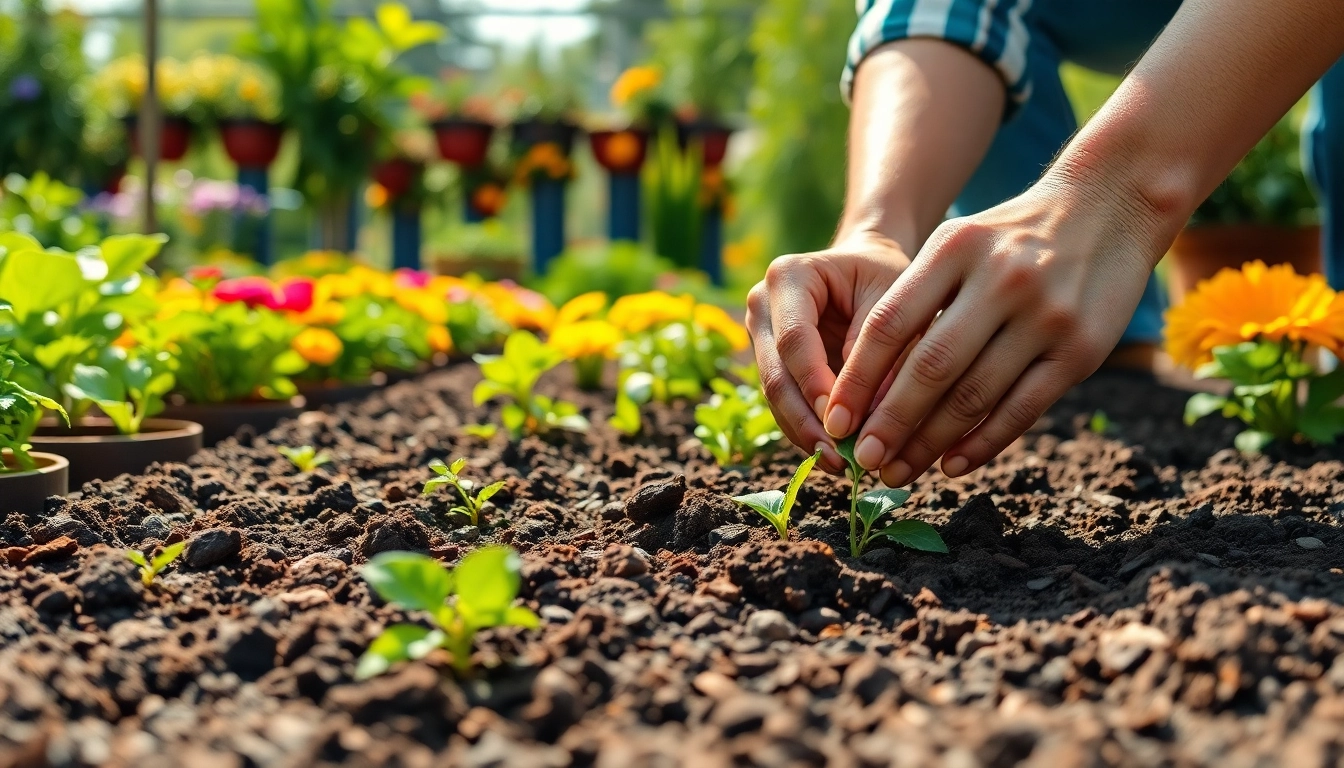
- Trowel: Perfect for digging small holes and transplanting seedlings.
- Pruners: Essential for trimming plants and removing dead or diseased growth.
- Garden Fork: Useful for aerating soil and mixing compost into the ground.
- Watering Can or Hose: Vital for ensuring your plants receive adequate moisture.
- Gardening Gloves: Protect your hands while working to prevent injuries or blisters.
Soil and Sunlight: The Foundation of Successful Gardening
Identifying the Best Soil Types for Gardening
Soil quality is fundamental in gardening. Various types of soil exist, each offering different benefits:
- Sandy Soil: Well-draining but low in nutrients; good for plants that thrive in dry conditions.
- Clay Soil: Nutrient-rich but heavy and holds water, requiring amendments to improve drainage.
- Silty Soil: Fertile and retains moisture well, making it ideal for many plant types.
Testing your soil's pH and nutrient content can guide you in amending it correctly, ensuring your plants receive the necessary nutrients to thrive.
The Role of Sunlight in Plant Growth
Sunlight is a key factor in the growth of plants, impacting their ability to photosynthesize and flourish. Different plants have varying sunlight needs:
- Full Sun: Requires at least 6-8 hours of direct sunlight daily (e.g., tomatoes, peppers).
- Partial Shade: Thrives in 4-6 hours of sunlight a day (e.g., lettuce, spinach).
- Full Shade: Limited to less than 4 hours of sunlight (e.g., ferns, hostas).
By understanding these requirements, you can strategically place plants in your garden to ensure they get the right amount of light.
Preparing Your Garden Bed for Optimal Growth
Preparing your garden bed is essential for encouraging plant growth. Follow these steps:
- Choose a Location: Select a site with good drainage and sunlight.
- Create the Bed: Define the size and shape of your bed, and remove sod or weeds.
- Amend the Soil: Incorporate organic matter like compost to improve soil structure and nutrient content.
- Till the Soil: Turn the soil to ensure it is aerated and mixed thoroughly.
Watering Techniques for Healthy Plants
Understanding Water Requirements for Different Plants
Each type of plant has its unique water requirements, which can change based on the season and growth stage. Here’s a general guide:
- Seedlings: Require consistent moisture to establish roots.
- Established Plants: Need deep watering less frequently as their root systems are robust.
- Seasonal Changes: Adjust your watering schedule based on temperature, rainfall, and plant growth.
Irrigation Methods to Consider in Gardening
Selecting an irrigation method can significantly influence your garden's success. Common methods include:
- Drip Irrigation: Efficient and delivers water directly to the roots, minimizing evaporation.
- Soaker Hoses: Placed on soil surface to slowly release water, good for row crops.
- Traditional Watering: Using a hose or watering can is effective but may require frequent attention.
Common Mistakes in Plant Watering and How to Avoid Them
Watering can seem straightforward, but there are common pitfalls:
- Overwatering: Can suffocate roots, leading to rot—ensure to check soil moisture before watering.
- Underwatering: May lead to wilting and decreased growth—schedule regular watering times.
- Watering at the Wrong Time: Midday watering can lead to evaporation; early morning or late afternoon is best.
Pest Management Strategies in Gardening
Identifying Common Garden Pests
Recognizing common pests is crucial for effective management. Some frequent garden invaders include:
- Aphids: Small and sap-sucking, often leading to distorted growth.
- Slugs and Snails: Nighttime feeders that can decimate soft plants.
- Spider Mites: Microscopic pests causing leaf discoloration and webbing.
Natural Remedies for Pest Control
Using natural remedies not only keeps your garden safe but also supports biodiversity. Consider the following:
- Neem Oil: An effective insect repellent and pesticide.
- Companion Planting: Certain plants can naturally deter pests; for example, marigolds can repel nematodes.
- Homemade Sprays: Mixtures of soap and water can help eliminate aphids.
Preventive Measures to Keep Your Garden Healthy
Preventing pest infestations is easier than resolving them after they occur. Top tips include:
- Crop Rotation: Changing the placement of your plants each year can prevent disease and pest cycles.
- Healthy Soil Management: Healthy plants grown in nutrient-rich soil are less susceptible to pests.
- Regular Monitoring: Inspecting your garden regularly will help catch infestations early.
Harvesting and Maintaining Your Garden
When and How to Harvest Your Produce
Knowing when to harvest is essential for maximizing yield. Look for these signs:
- Color Change: Many fruits and vegetables change color when ripe (e.g., tomatoes turn red).
- Size: Ensure produce has reached a suitable size; refer to seed packages for specifics.
- Texture: Ripe vegetables often feel firm yet slightly yielding when gently squeezed.
Use clean, sharp tools to harvest to avoid damaging plants.
Maintaining Plant Health for Continuous Growth
Continuous care ensures that your plants remain healthy after harvesting:
- Regular Weeding: Keep the garden free of competition for nutrients.
- Fertilization: Replenish soil nutrients post-harvest, especially if planning to replant.
- Mulching: Helps retain moisture and suppresses weeds.
Seasonal Gardening Tips to Maximize Output
Each season presents unique opportunities and challenges for gardeners:
- Spring: Focus on planting and starting seeds indoors.
- Summer: Ensure regular watering and pest monitoring.
- Fall: Harvest crops, prepare beds for winter, and consider planting fall crops.
- Winter: Plan for the upcoming season and utilize time for garden preparations, research, and learning new techniques.