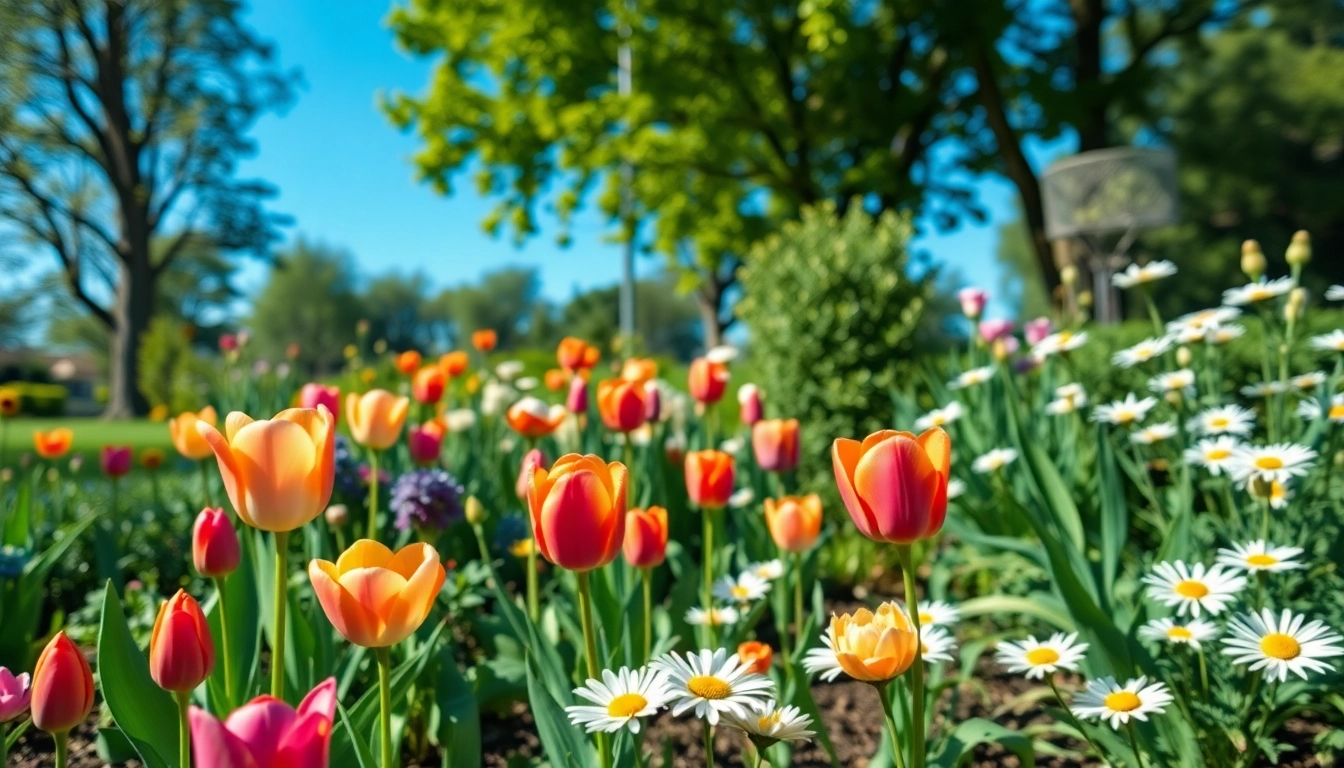
Gardening is not just a hobby; it’s a way to connect with nature, improve your mental wellbeing, and provide fresh produce for your table. In this comprehensive guide, we will delve deep into the multifaceted world of Gardening, offering fundamental insights and advanced techniques that cater to both beginners and seasoned gardeners. Whether you're looking to plant a few herbs in your kitchen garden or cultivate an extensive flowerbed, this article will equip you with the knowledge and skills to thrive.
Getting Started with Gardening Basics
Understanding Soil Types for Gardening
Soil is the foundation of any garden. Understanding the various soil types is crucial for creating a thriving garden. The two primary categories of soil are sandy and clay soils. Sandy soils drain quickly and warm up faster in spring, making them ideal for vegetables. However, they require frequent watering. Clay soils are nutrient-rich but drain poorly, which can lead to root rot if not managed correctly. Additionally, loamy soil, a mix of sand, clay, and silt, is often considered the best for gardening due to its balanced texture and fertility.
Choosing the Right Plants for Your Garden
When it comes to selecting plants, consider your location’s climate, the amount of sunlight your garden receives, and the soil quality. Native plants are a sustainable choice as they often require less water and care. Annuals, perennials, herbs, and vegetables each have their unique benefits. For example, if you want a vibrant garden, choose a mix of annuals and perennials to ensure continuous blooms throughout the growing season. Incorporating edibles not only adds beauty but also provides fresh produce.
Essential Gardening Tools and Their Uses
The right tools can significantly enhance the efficiency of your gardening efforts. Essential tools include:
- Trowel: For planting small items and digging.
- Pruning Shears: Essential for trimming plants and encouraging growth.
- Garden Fork: Great for turning soil and mixing amendments.
- Watering Can/Hose: Key for providing adequate hydration.
- Spade: For digging and moving soil.
Investing in quality tools can save time and effort throughout the gardening season.
Plant Care Practices in Gardening
Watering Techniques for Healthy Growth
Watering is crucial for plant health. Over-watering can lead to root rot, while under-watering can stress your plants. Implementing deep watering techniques ensures that water penetrates down to the root level. Drip irrigation systems are an effective method for providing consistent moisture, while mulching around plants helps retain soil moisture and regulate temperature.
Fertilization Methods: When and How
Plants require nutrients to thrive. The three primary nutrients are nitrogen, phosphorus, and potassium, usually listed on fertilizer packaging. Organic fertilization methods such as composting and using manure enrich the soil naturally. When applying fertilizers, it’s essential to follow recommended guidelines to avoid harming your plants. Conducting soil tests can help you understand which nutrients your soil may be lacking.
Pest Control Strategies for Home Gardens
Pests can quickly become a problem in any garden. Integrated Pest Management (IPM) strategies combine various approaches to minimize pest damage while reducing the use of chemical pesticides. This includes using beneficial insects like ladybugs, creating barriers, and employing natural repellents. Regular monitoring and identifying pests early is crucial in maintaining a healthy garden ecosystem.
Seasonal Gardening Tips
Spring Gardening: Preparing Your Space
Spring is the perfect time to prepare your garden for planting. Start by cleaning up any debris from winter. This includes removing dead leaves, pulling out weeds, and testing your soil. Incorporating compost or well-rotted manure can boost soil fertility. Choose early spring crops, such as peas and lettuce, which can handle cooler temperatures.
Summer Gardening: Keeping Your Plants Healthy
Summer brings heat, which requires careful management of water and nutrition. Shade cloth can protect tender plants from scorching sunlight. Continue to monitor soil moisture levels and use mulch to conserve water. This season is also great for planting mid-summer crops like tomatoes and peppers, which thrive in warm soil.
Fall Gardening: Harvesting and Preparing for Winter
In fall, it’s time to reap the benefits of your hard work. Harvest your crops and prepare your garden for winter by cleaning up any remaining plant material. This is also a great time to plant cover crops, which will enhance soil health by preventing erosion and adding nutrients back to the soil when tilled in the spring.
Advanced Gardening Techniques
Companion Planting for Optimal Growth
Companion planting is a technique where specific plants are grown together for mutual benefit. For instance, planting marigolds with vegetables can deter pests and attract beneficial insects. This can lead to healthier plants and increased yields. Understanding plant relationships can significantly boost the productivity of any garden.
Organic Gardening: Principles and Practices
Organic gardening is about nurturing the soil and creating a self-sustaining ecosystem. It emphasizes the use of natural fertilizers and pest control methods, minimizing the use of chemicals. Focus on creating a diverse plant environment, which supports beneficial organisms and reduces the likelihood of pest problems. By focusing on organic practices, you'll contribute positively to your local ecosystem.
Creating a Sustainable Garden Ecosystem
Building a sustainable garden is about balancing the needs of the plants with the environment. Incorporating native plants, creating compost systems, and using rainwater harvesting are practical steps towards sustainability. Additionally, consider establishing habitats for beneficial wildlife, such as birds and insects, which can assist in natural pest control and pollination.
Engaging with the Gardening Community
Joining Local Gardening Clubs and Associations
Getting involved in local gardening clubs can enhance your gardening experience and knowledge. These clubs often provide workshops, seed exchanges, and opportunities to connect with other gardening enthusiasts. Sharing your experiences and learning from others can inspire new ideas and techniques for your own garden.
Sharing Your Gardening Experiences Online
In today's digital age, sharing your gardening journey online can be rewarding. Social media platforms and gardening forums allow you to connect with a global community of gardeners. Documenting your progress through blogs or social media not only showcases your work but also encourages others to engage in gardening.
Educating Others on Gardening Best Practices
As you gain expertise in gardening, consider educating others in your community. Hosting workshops or writing articles can help spread valuable knowledge and foster a passion for gardening. Teaching children about plant care and cultivation can create a new generation of gardeners and instill an appreciation for the environment.
In conclusion, whether you're digging in the dirt for the first time or you’re an experienced green thumb, the diverse world of Gardening offers endless opportunities for learning and growth. By understanding the basics, securing essential tools, practicing effective plant care, and engaging with fellow gardening enthusiasts, you not only tend to your plants but also cultivate a sense of community and connection with nature. Happy gardening!