Understanding Emergency Railroad Repair Services
Railroads are a vital part of the transportation infrastructure, serving as the backbone for moving goods and passengers across vast distances. However, accidents and unexpected events can occur, resulting in damages that threaten to halt operations. This is where Emergency Railroad Repair Services come into play, allowing for quick and efficient restoration of railroad functionality. Understanding the mechanisms behind these services is crucial for stakeholders, operators, and communities dependent on rail systems.
The Importance of Timely Repairs
Timeliness is critical in any emergency repair scenario, especially in the rail industry. Delays can lead to extended downtime, increased financial losses, and potential safety hazards. When railway operations are disrupted, not only does it affect cargo transport, but it can also impact passenger services, leading to cascading effects throughout the transportation network. Rapid responses to emergencies ensure that rail services can resume as quickly as possible, minimizing the economic and social ramifications.
Types of Emergency Railroad Repairs
Emergency repairs can be categorized into several types, each addressing different kinds of disruptions:
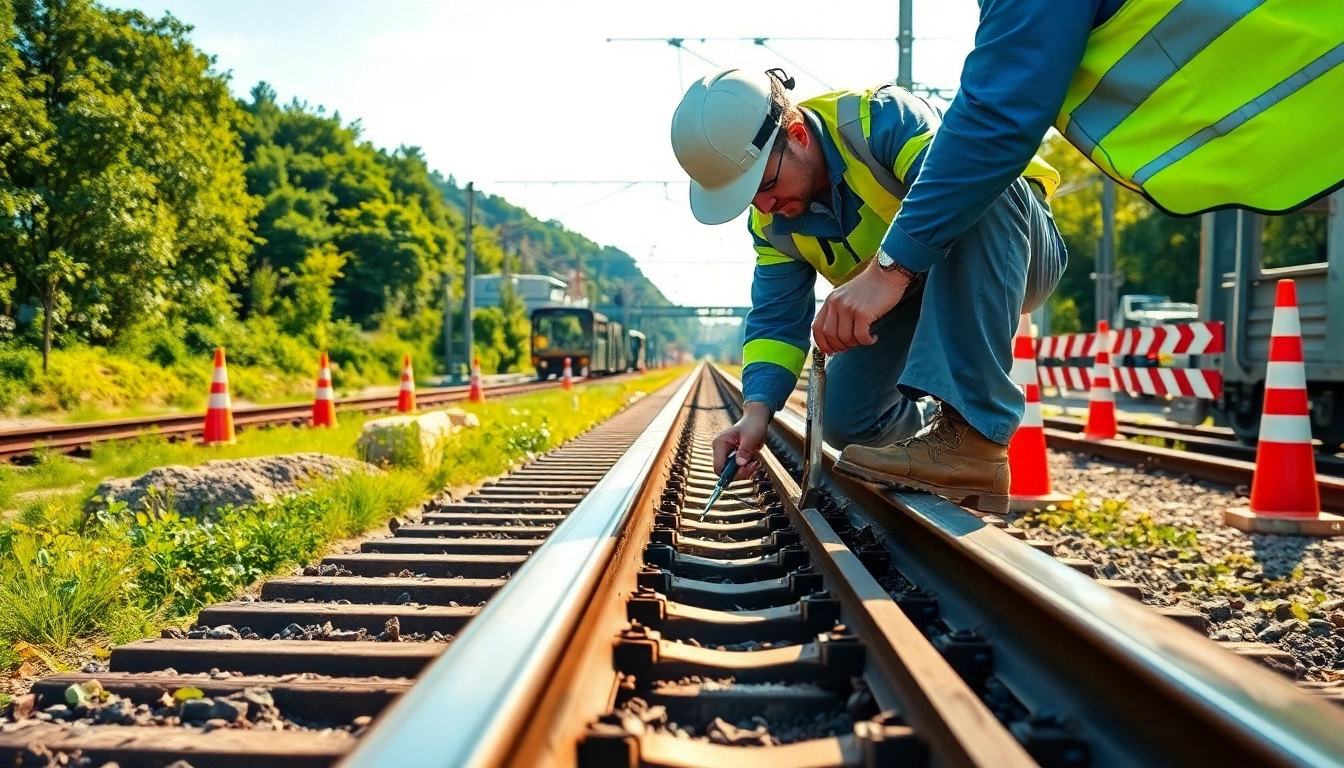
- Track Repairs: These involve fixing damaged tracks due to accidents or wear over time.
- Signal and Communication Repairs: Restoring signaling systems to ensure safe train operations.
- Rolling Stock Repairs: Addressing issues with locomotives and other rail vehicles that can hinder their functionality.
- Structural Repairs: Involving bridges, tunnels, and other critical infrastructure that may require urgent attention.
Key Players in the Repair Process
The emergency repair process involves a coordinated effort between various key players:
- Railway Operators: Responsible for initiating the repair process and coordinating with emergency teams.
- Emergency Repair Teams: Specialized groups trained to handle rapid responses to rail emergencies.
- Local Authorities: Often involved in safety and regulatory compliance during repairs.
- Supply Chain Partners: Help procure necessary materials and equipment for repairs.
Common Challenges in Emergency Railroad Repairs
Logistical Issues Affecting Repairs
Logistics play a significant role in the efficiency of emergency repairs. Factors such as the location of the incident, accessibility to repair tools, and availability of materials can all impact the speed of recovery efforts. Optimal planning and pre-established relations with suppliers can help mitigate these challenges.
Weather and Environmental Considerations
Weather conditions can dramatically affect the ability to conduct repairs safely and efficiently. Extreme temperatures, rain, snow, or ice can pose risks, both to repair teams and the infrastructure itself. Implementing weather monitoring systems and having contingency plans in place can help ensure that safety is prioritized during adverse conditions.
Safety Protocols and Risk Management
Safety is paramount in any emergency repair scenario. Strict protocols must be adhered to, and risk management strategies should be employed to protect workers and the public. This includes thorough training, use of personal protective equipment (PPE), and real-time communication during repairs to mitigate potential hazards.
Best Practices for Effective Railroad Repairs
Utilizing Technology in Repairs
With advancements in technology, the repair industry has seen significant improvements in the execution of emergency repairs. Tools like drones for inspection, automated tracking systems, and predictive maintenance software enhance the speed and quality of repairs. Leveraging technology results in data-driven decisions, improving response times and operational efficiency.
Training and Certification for Technicians
A highly skilled workforce is essential for effective emergency repairs. Regular training and certifications ensure that technicians are up-to-date with the latest safety standards, repair techniques, and technology. Continuous education helps maintain a high level of competency among repair teams, resulting in quality workmanship.
Quality Assurance Measures
Establishing quality assurance protocols helps maintain the integrity of repairs made. Regular audits, adherence to industry standards, and feedback loops ensure that each repair meets specified guidelines and that lessons learned from previous repairs are implemented. This contributes to building trust within the community regarding the safety and reliability of rail services.
Case Studies: Successful Emergency Repairs
Real-Life Examples of Quick Responses
Several real-life incidents highlight the effectiveness of emergency railroad repair services. For example, a recent derailment was addressed swiftly by mobilizing a dedicated repair team to restore track functionality within hours, minimizing service interruption. Such examples underscore the importance of well-coordinated emergency protocols.
Lessons Learned from Previous Incidents
Each incident provides valuable insights that can enhance future repair efforts. A notable lesson learned is the effectiveness of having pre-arranged contracts with suppliers, ensuring quick access to necessary materials. Additionally, post-mortem analyses of repairs can uncover areas for improvement, further refining repair processes.
Community Impact and Recovery
Effective emergency repairs have a profound impact on communities. Rapid recovery efforts not only restore transportation services but also provide reassurance to residents and businesses dependent on the rail network. Engaging with the community during the recovery process fosters trust and collaboration, crucial for future preparedness.
FAQs about Emergency Railroad Repair Services
What are Emergency Railroad Repair Services?
Emergency Railroad Repair Services refer to specialized responses aimed at swiftly restoring rail functionality following disruptions, including accidents or equipment failures.
How quickly can repairs be made?
The speed of repairs depends on the severity of the incident. Minor repairs may be completed within hours, while more extensive repairs could take days or longer.
What tools are typically used in emergency repairs?
Emergency repairs often utilize heavy machinery, hand tools, cranes, and specialized equipment for track and rolling stock repairs, ensuring efficient restoration efforts.
How are safety regulations enforced during repairs?
Safety regulations are upheld through regular safety audits, training for repair personnel, and compliance checks by local authorities to minimize hazards during repairs.
Who to contact for emergency railroad services?
In an emergency, contact the regional railway operator or designated emergency repair agency for immediate assistance and to initiate necessary repairs.