Understanding the Importance of Eye Health in Children
Eye health in children is often an overlooked aspect of their overall well-being, yet it plays a crucial role in their development, learning, and everyday activities. Vision is not only fundamental for academic achievement but also impacts social interactions and emotional well-being. As parents and caregivers, understanding the importance of regular eye care can make a significative difference in a child's life. Moreover, initiatives such as Our Children's Vision aim to improve the accessibility and quality of eye health services for children worldwide.
Why Vision Matters for Growth and Learning
Good vision is essential for growth and learning during formative years. Children depend on their sight to explore their environment, engage with peers, and succeed in school. Research indicates that vision problems can lead to delays in learning and behavioral issues. For instance, difficulties in reading or concentrating can often be traced back to uncorrected visual impairments. Comprehensive studies demonstrate that children with undiagnosed vision problems are at a higher risk of falling behind academically.
Common Vision Problems in Children
Several common vision problems can affect children, including myopia (nearsightedness), hyperopia (farsightedness), astigmatism, and amblyopia (lazy eye). Each of these conditions can cause significant challenges if left untreated:
- Myopia: This condition results in a child being unable to see distant objects clearly. It is becoming increasingly prevalent, particularly with the rise of screen time.
- Hyperopia: This means a child may struggle to see objects up close, leading to difficulties in reading and other tasks.
- Astigmatism: It causes blurred vision due to an irregular shape of the cornea or lens, affecting both near and distance vision.
- Amblyopia: Often referred to as lazy eye, it can result in the brain favoring one eye over the other, which can lead to permanent vision loss if not treated early.
Signs Your Child May Need an Eye Exam
As a parent or caregiver, it is vital to watch for signs that a child may be experiencing vision problems. Some indicators may include:
- Squinting or tilting the head when looking at things
- Frequent eye rubbing or tearing
- Difficulty in reading or completing homework
- Avoiding activities that require close focus, like reading or crafting
- Complaints about headaches or eye strain
Recognizing these signs early can lead to timely interventions and improve a child's quality of life.
Recognizing Our Children's Vision Initiatives
Our Children's Vision seeks to address the critical need for eye health services among children, especially in underprivileged communities. The movement emphasizes collaboration, education, and advocacy to improve children's vision.health.
Global Partnerships for Child Eye Health
Addressing childhood vision issues requires a concerted effort among various stakeholders, including governments, non-profits, healthcare providers, and communities. Our Children's Vision fosters partnerships that leverage resources, expertise, and community engagement to broaden access to eye care services. These collaborations are essential in mobilizing support and creating sustainable solutions that can significantly influence children's vision health on a global scale.
Awareness Campaigns Promoting Eye Care
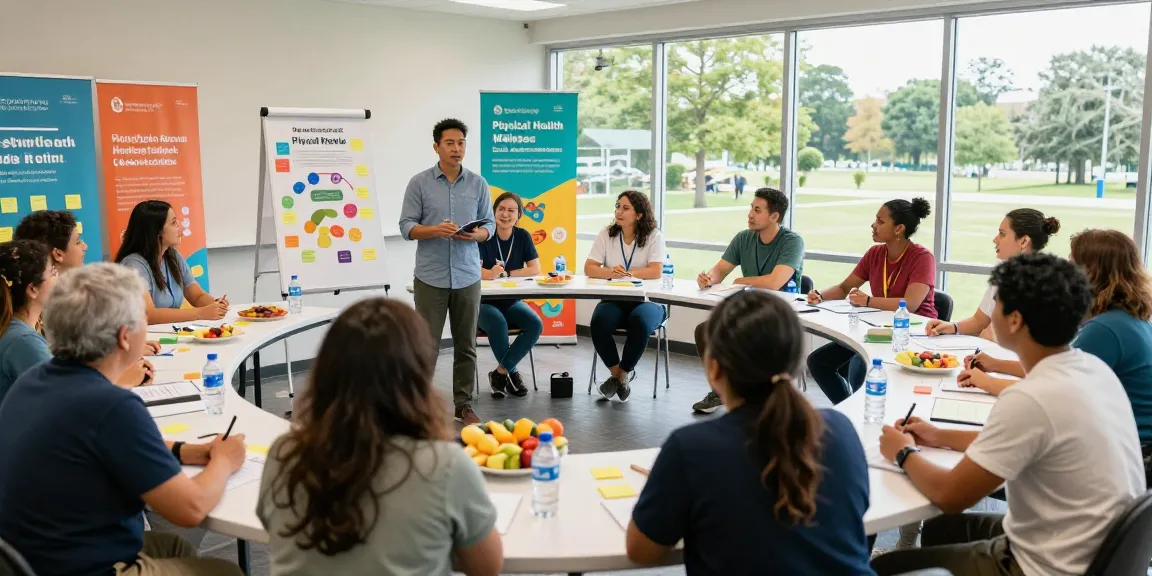
Awareness campaigns play a critical role in educating the public and advocating for the importance of vision health. Initiatives under Our Children's Vision focus on disseminating information, providing resources, and teaching parents the importance of routine eye screenings. Campaigns may include public service announcements, workshops, and community outreach programs tailored to raise awareness about the significance of eye health in children.
Research Contributions to Child Eye Health
Research is fundamental in developing effective eye health interventions. Studies that focus on children's vision can reveal substantial insights into risk factors and recommendations for improving eye care practices. Our Children's Vision supports various research initiatives aimed at identifying the most pressing vision health challenges faced by children today, using findings to shape policies and health practices that ensure better care for future generations.
Best Practices for Regular Eye Care
Establishing a routine for eye care is vital for maintaining a child’s vision health. Parents and caregivers can implement best practices that will promote regular check-ups and instill positive habits regarding eye health.
Routine Screenings and Exams
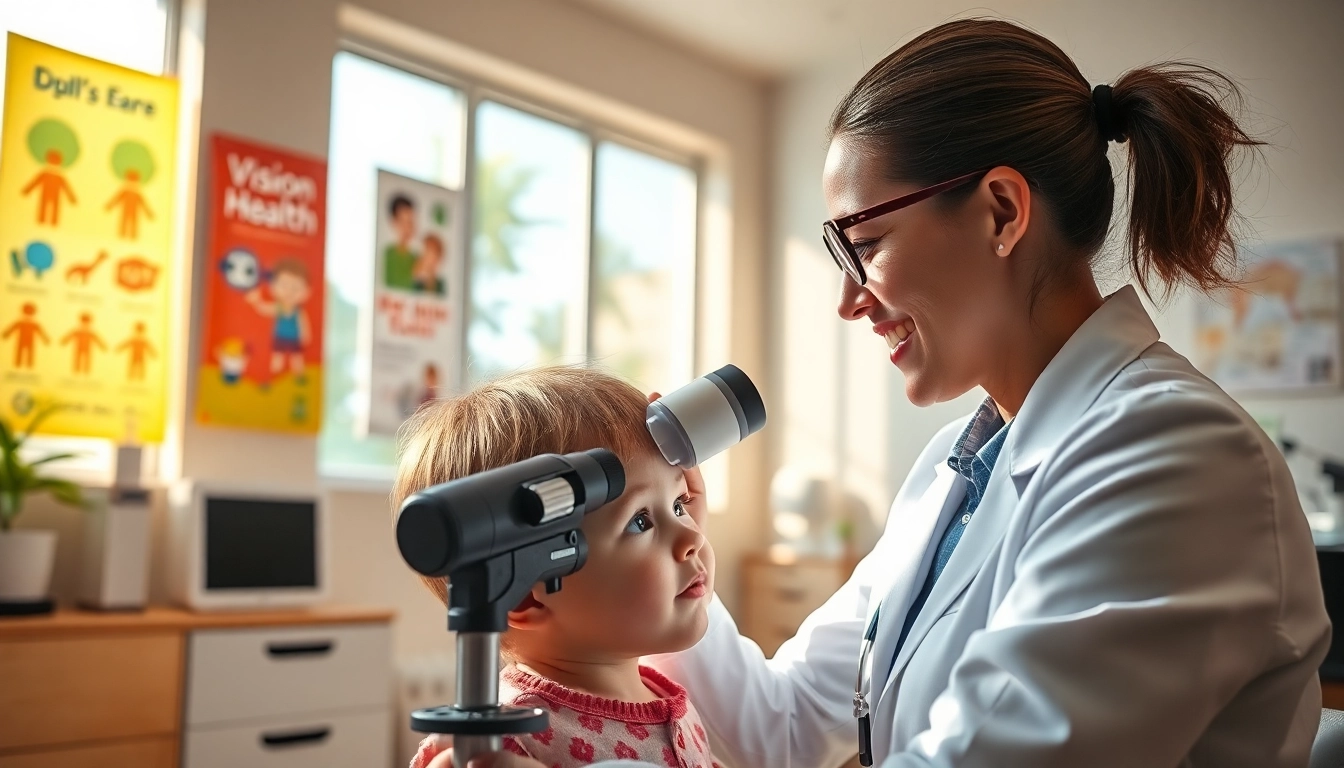
Regular screenings are crucial in identifying vision problems early. The American Academy of Pediatrics recommends that children receive their first eye exam at six months, followed by additional checks at age three and just before starting school. These examinations can be conducted by pediatricians or pediatric eye care specialists who can provide a comprehensive assessment of vision health and recommend corrective measures if necessary.
At-Home Vision Check Tips
While professional examinations are essential, parents can also perform simple at-home checks to monitor their child's vision health. Activities may include:
- Using a vision chart to test distant vision.
- Observing for any difficulty in focusing or seeing smaller text.
- Checking for discomfort during close-up activities, like reading.
Although these checks are not substitutes for professional assessments, they can provide valuable insights and cue parents to seek further evaluations if issues arise.
Integrating Eye Health into Daily Routines
Incorporating eye health practices into a child's daily routine can encourage lifelong habits. For instance, fostering outdoor play can reduce the risk of developing myopia. Additionally, establishing screen time limits, promoting good lighting for reading, and encouraging breaks during screen usage can contribute to healthier eyes. Teaching children about protecting their eyes from sun exposure through the use of protective eyewear is also integral to their long-term eye health.
Overcoming Barriers to Eye Care for Children
Despite the importance of eye health, many children face significant barriers to accessing necessary eye care services. Recognizing these barriers helps stakeholders in health care design solutions that improve accessibility for all children.
Access and Affordability Issues
Access to eye care services can be limited by various factors including geographic location, financial constraints, and lack of insurance. Many families may live in areas that lack sufficient eye care providers or may not be able to afford the services even when they are available. Community health initiatives can help bridge these gaps by providing mobile eye care services and subsidized eye exams for underprivileged families.
Community-Based Solutions
Community-based solutions are vital for increasing access to eye health services. Collaborations with local organizations can set up vision screening events and informational workshops in schools and community centers. These grass-roots efforts can help drive awareness and remove barriers by directly engaging families and promoting the value of vision health, as well as providing direct services where needed.
Advocacy for Effective Eye Health Policies
Advocacy plays a crucial role in shaping effective policies that can enhance children’s access to eye care. Advocacy groups can work tirelessly to influence legislation, promote funding for vision health programs, and raise awareness about the importance of children's vision health at the governmental level. Engaging stakeholders, healthcare professionals, and parents in advocacy efforts is essential to creating a supportive environment for children's eye health.
Measuring the Impact of Vision Health Initiatives
To ensure that vision health initiatives are effective, it is essential to measure their impact. This involves tracking progress, success stories, and evaluating the effectiveness of eye care programs.
Tracking Progress and Success Stories
Tracking the progress of initiatives focused on children’s eye health involves collecting data on the number of children served, improvement in vision health outcomes, and overall community engagement. Implementing systems for monitoring and evaluation can showcase success stories, benefitting not just the programs involved but also creating models for future initiatives. Sharing these success stories can inspire broader involvement and investment in children's eye health.
Evaluating the Effectiveness of Eye Care Programs
Regular evaluation of eye care programs is essential for determining their efficacy. Analysis of collected data can provide insights into what methods are working and areas that require improvement. Surveys, assessments, and follow-up visits can help gauge improvements in children’s vision health, further refining methodologies for maximum impact.
Future Directions for Our Children's Vision Advancement
The future of children's vision health hinges on continued innovation, research, and collaboration. By focusing on preventative measures, developing new technologies for vision assessments, and expanding outreach efforts, we can ensure that every child receives the eye care they need. As initiatives like Our Children's Vision evolve, they aim to create a world where children universally have access to comprehensive eye health services.