Understanding the Travel Blogging Landscape
The travel blogging industry has transformed dramatically in recent years, evolving from a niche hobby to a full-fledged profession for many. With the proliferation of social media and advancements in technology, travel bloggers are uniquely positioned to influence travel decisions, showcase destinations, and share personal experiences with their audience. To thrive in this dynamic landscape, a deep understanding of current trends, challenges, and growth opportunities is essential. This article will explore the key aspects of effective travel blogging, equipping aspiring and current travel bloggers with the insights needed to flourish.
Current Trends in Travel Blogging
As we dive into the core of travel blogging, it’s crucial to highlight some of the emerging trends that are shaping the industry. With travelers seeking authentic experiences, bloggers are increasingly moving towards storytelling that emphasizes emotional connections and personal narratives. Here are some notable trends:
- Focus on Sustainability: There is a growing emphasis on sustainable travel practices. Blogs that advocate for eco-friendly travel methods and responsible tourism are gaining traction among environmentally conscious readers.
- Video Content Growth: Platforms like YouTube and TikTok are driving an increase in visual storytelling. Creative short-form videos are catching the eyes of viewers, offering quick snippets and engaging travel stories that enhance traditional blog content.
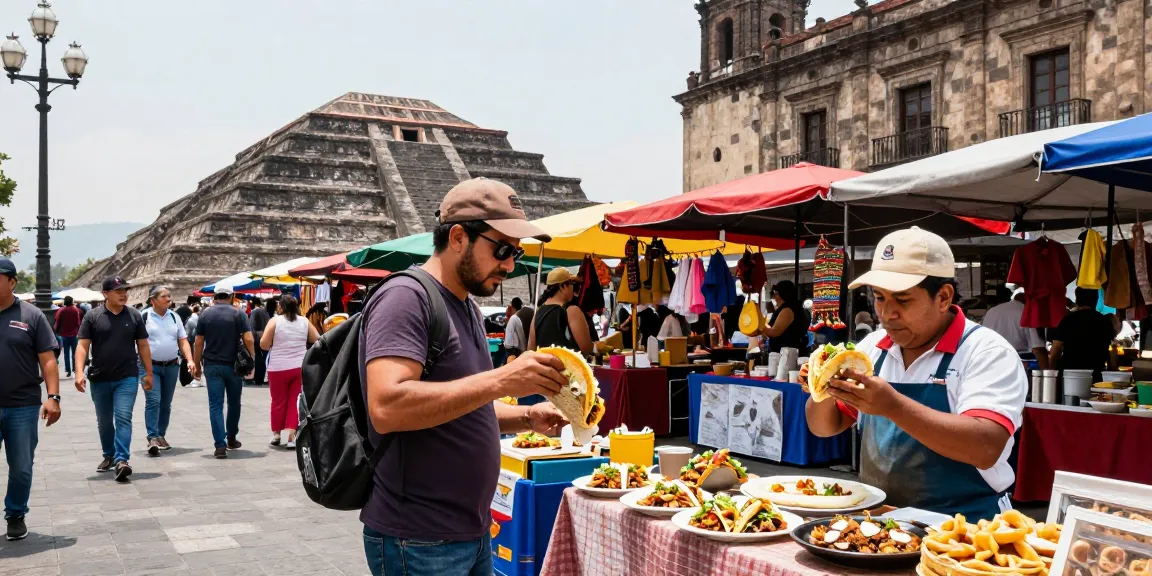
- Local Experiences: Travelers are leaning towards immersive experiences rather than generic tourist activities. Blogs highlighting local cultures, cuisines, and hidden gems resonate well with audiences seeking unique adventures.
- Personal Branding: Successful travel bloggers are building strong personal brands. Authenticity and relatability are pivotal in creating a loyal readership base that trusts their insights and recommendations.
- Community-Centric Approaches: Building a community around the blog fosters deeper connections. Engagement and interaction with readers through comments, live chats, and social media presence are fundamental for growth.
Challenges Faced by Travel Bloggers
While the opportunities in travel blogging are plentiful, numerous challenges can hinder progression in building a successful blog. Understanding and navigating these challenges is vital for long-term success. Key hurdles include:
- Content Saturation: With thousands of travel bloggers jostling for attention, standing out can be challenging. It's imperative to develop a unique voice and angle to capture the audience’s interest.
- Monetization Struggles: Many bloggers find monetizing their platform difficult. As competition grows, figuring out effective strategies for income generation such as affiliate marketing, sponsored posts, and merchandise can be tough.
- Changing Algorithms: Social media and search engine algorithms frequently change, impacting how content is distributed and discovered. Bloggers must continually adapt their strategies to reach their audience effectively.
- Work-Life Balance: Traveling constantly while managing a blog can be taxing. Finding a balance between personal exposure and professional output is crucial to avoid burnout.
- Legal Considerations: Issues regarding copyright, privacy laws, and sponsorship regulations can pose challenges. Understanding the legal landscape is essential to protect your content and brand.
Opportunities for Growth in https://travelvixta.com
Despite the challenges, the landscape offers substantial opportunities for growth, particularly for blogs like https://travelvixta.com. By leveraging advancements in technology and shifts in consumer behavior, there are several avenues to explore:
- Diversifying Content Types: Incorporating podcasts and webinars into the travel narrative can attract different demographics. Such diverse content can enhance audience engagement and provide additional touchpoints for interaction.
- Fostering Partnerships: Collaborating with tourism boards, local businesses, and other influencers can widen reach and build credibility. Joint ventures can lead to innovative content opportunities and broader exposure.
- Utilizing Data Analytics: Making informed decisions based on audience behavior and preferences can optimize content strategy. Applying data to understand which topics resonate can enhance reader engagement and boost traffic.
- Embracing New Platforms: Emerging platforms may provide untapped audiences. Being an early adopter of new social channels can set a blog apart and position it as a leader in the space.
- Specializing in Sub-niches: Instead of competing in the broad travel niche, focusing on sub-niches such as adventure travel, luxury travel, or culinary tourism can help tailor content to specific audience segments.
Building a Strong Travel Blogging Foundation
Establishing a solid foundation is crucial for any travel blog. This involves strategic planning, understanding your audience, and building a cohesive identity that resonates with readers. Here’s how to cultivate a strong base:
Selecting Your Niche in Travel
The first step in creating a successful travel blog is selecting a niche. With numerous possibilities available, focusing on a specific area helps differentiate the blog from the competition. Consider these aspects when determining your niche:
- Personal Interests: Reflect on your interests and passions. The topics you enjoy can translate into engaging content, making it easier to maintain motivation.
- Research Market Gaps: Explore existing blogs and identify gaps in content that you can fill. Unique perspectives on commonly covered topics can attract a dedicated audience.
- Audience Demand: Use tools like Google Trends and social media analytics to gauge what travel-related topics are trending. Aligning your niche with audience demand increases the likelihood of connecting with readers.
- Long-term Potential: Consider the longevity of your chosen niche. Topics that are evergreen or have sustainable interest levels can support ongoing content creation and audience growth.
- Combining Niches: Don’t hesitate to blend niches. For instance, combining travel with photography or culinary experiences can provide a comprehensive approach that appeals to various segments of the audience.
Essential Tools for Travel Bloggers
To effectively manage a travel blog, leveraging essential tools is crucial. These can streamline operations, enhance content quality, and improve audience engagement. Here’s a list of indispensable tools:
- Content Management Systems (CMS): WordPress is among the most popular CMS platforms for bloggers. Its customizable features, plugins, and user-friendly interface make it ideal for travel blogs.
- SEO Tools: Tools like Yoast SEO and Ahrefs can assist in optimizing content for search engines, improving rankings, and driving organic traffic.
- Graphic Design Tools: Canva or Adobe Spark can be invaluable for creating visually appealing graphics and infographics that enhance blog posts and social media content.
- Social Media Management: Hootsuite or Buffer allows for the scheduling of posts across platforms, simplifying the process of maintaining consistent social media engagement.
- Email Marketing Services: Platforms like Mailchimp or ConvertKit help manage newsletters and engage with subscribers through curated content, promotions, and personalized updates.
Creating Compelling Content for https://travelvixta.com
Content is at the heart of any successful travel blog. Crafting compelling and engaging content not only captivates readers but also encourages them to return. Here are strategies to elevate content quality:
- Storytelling Techniques: Incorporate storytelling elements that create emotional connections. Use anecdotes, descriptive language, and relatable experiences to draw readers in.
- High-Quality Visuals: Invest in quality photography and videography. Great visuals can significantly enhance the appeal of the content and keep readers engaged longer.
- Valuable Information: Provide actionable insights, travel tips, and unique information that readers can utilize. This positions your blog as a trustworthy source of knowledge.
- Engaging Headlines and Subheadings: Craft attention-grabbing headlines and well-structured subheadings that make content scannable. This helps retain reader interest and improves readability.
- Regular Updates: Keep content fresh by regularly updating posts with new information, insights, and improved visuals. This practice can boost SEO and keep your audience informed.
Effective Audience Engagement Strategies
Engaging your audience is just as important as producing content. Building relationships with readers fosters loyalty, encourages discussions, and enhances the community around your blog. Here are effective strategies:
Utilizing Social Media for Visibility
Social media is an indispensable tool for travel bloggers aiming to reach wider audiences. Utilizing various platforms enhances visibility and engagement. Here are some strategic approaches:
- Platform Selection: Choose social media platforms that align with your audience demographics. Instagram is ideal for visual storytelling, whereas Facebook and Pinterest are great for engaging with broader travel communities.
- Consistent Branding: Maintain consistent branding across platforms, including visual elements and messaging. This ensures that your audience recognizes your content easily.
- Interactive Posts: Create interactive content such as polls, quizzes, and questions to encourage audience participation and engagement.
- Live Interactions: Utilize features like Instagram Live or Facebook Live to host Q&A sessions or real-time travel updates, allowing for direct interaction with your audience.
- Engaging Stories: Use the stories feature on platforms like Instagram to share behind-the-scenes content, and real-time updates, and daily insights, fostering a sense of community.
Connecting with Your Readership
Establishing a personal connection with readers goes a long way in building loyalty. Here are methods to foster strong connections:
- Respond to Comments: Actively reply to comments on blog posts and social media. Acknowledging readers’ thoughts shows that you value their opinions and experiences.
- Host Giveaways: Organize giveaways or contests that encourage participation and reward loyal readers. This can increase engagement and grow your audience.
- Create a Newsletter: Developing an engaging newsletter fosters closer ties with your audience and gives them exclusive insights, tips, and updates directly to their inbox.
- Personal Experiences: Share personal stories and insights in your blog posts. Readers appreciate authenticity and feel more connected when they can relate to your experiences.
- Encourage User-Generated Content: Invite your readers to share their travel stories or insights. Featuring these contributions on your blog can foster a sense of community and belonging.
Feedback and Community Building on https://travelvixta.com
Feedback is essential for improvement and growth. Establishing a community around your blog enhances engagement and creates a sense of belonging. Here’s how to effectively facilitate feedback and community building:
- Surveys and Questionnaires: Conduct regular surveys to gather feedback on content preferences, topics of interest, and overall audience expectations. Analyzing this data informs future content strategies.
- Discussion Forums: Consider integrating discussion forums or groups where readers can engage with one another. This reinforces community ties and fosters discussion surrounding shared interests.
- Social Media Groups: Create dedicated social media groups for your readers to discuss topics related to your niche. This encourages dialogue, enhances loyalty, and positions you as a thought leader.
- Feature Reader Stories: Showcase travel tales from your readers on your blog. This not only makes them feel valued but can also inspire others within your community.
- Response Incentives: Encourage feedback through incentives such as shoutouts or featuring top contributors in your content. This reinforces positive engagement and motivates readers to participate.
Optimizing Content for SEO and Conversion
Search engine optimization (SEO) is instrumental in driving traffic to your travel blog. Using best practices and understanding metrics ensures your content remains visible and successful. Here’s a deep dive into optimizing your content:
Implementing SEO Best Practices for Travel Blogs
Effective SEO strategies elevate your content’s visibility and improve search rankings. Here are key practices to implement:
- Keyword Research: Use tools like Google Keyword Planner and Ubersuggest to identify relevant keywords with high search volumes. Integrate these keywords into your content authentically.
- On-Page SEO Optimization: Ensure that your titles, headings, meta descriptions, and image alt texts incorporate relevant keywords. Additionally, maintain proper header hierarchy for ease of navigation.
- Quality Backlinking: Build relationships with other bloggers and websites to gain backlinks. This can enhance your authority and improve rankings on search engines.
- Mobile Responsiveness: Ensure your blog is mobile-friendly. A significant portion of users access content via mobile devices, and an optimized mobile site improves user experience and retention.
- Page Speed Optimization: A slow-loading website detracts visitors. Use tools like Google PageSpeed Insights to assess and improve load times, enhancing user experience and SEO.
Analyzing Performance Metrics
Regular analysis of performance metrics is crucial for understanding audience behavior and content effectiveness. Utilize analytics tools to track relevant data:
- Google Analytics: Employ this tool to monitor traffic sources, user behavior, and audience demographics. Gaining insights from this data can inform strategic decisions moving forward.
- Engagement Metrics: Assess metrics like bounce rates, session durations, and social shares to determine content effectiveness. Adjust your strategy based on audience engagement levels.
- Conversion Tracking: Track conversions on aspects such as email sign-ups and product purchases. Analyzing these metrics informs what’s resonating with the audience and enhancing conversions overall.
- Continuous Improvement: Regularly review and analyze metrics to adapt content strategies. Pivoting based on performance data ensures that you’re meeting audience needs effectively.
- A/B Testing: Implement A/B testing for elements like headlines and calls to action. Assessing which variations yield better results helps fine-tune your strategy for greater effectiveness.
Adapting Your Strategy Based on Insights from https://travelvixta.com
Being agile and responsive to audience insights is vital for long-term success. Tailoring your strategy based on feedback from https://travelvixta.com can enhance relevance and engagement. Here are strategies to consider:
- Content Alignment: Create content that aligns with audience feedback and demonstrated interests. Focusing on trending topics or responding to reader queries fosters a connection.
- Flexibility in Content Types: Be open to diversifying content types based on what resonates most with your readers. Experimenting with formats like videos, podcasts, or written blogs keeps the content fresh and engaging.
- Enhanced User Experience: Continuously assess and improve the user experience based on reader feedback. An intuitive layout and seamless navigation can boost engagement and retention.
- Community Bonds: Strengthen community relationships by engaging with reader comments, conducting joint projects, and actively seeking their input on content direction.
- Proactive Changes: Don’t hesitate to adjust your overall strategy based on these insights. Adapting to evolving reader needs solidifies your blog's relevance.
Advanced Techniques for Successful Travel Blogging
As you progress in your travel blogging journey, implementing advanced tactics can significantly enhance your blog's impact. Here are some advanced techniques worth considering:
Collaborating with Other Influencers
Collaborations can amplify your blog’s reach and introduce your content to new audiences. Here are effective strategies for successful collaborations:
- Identify Compatible Influencers: Look for influencers who share overlapping audiences or similar content styles. Collaborations should feel authentic to resonate well with both audiences.
- Shared Projects: Consider co-hosting events, joint blog posts, or interactive social media campaigns. Such collaborations harness the strengths of both parties to create engaging content.
- Interviews and Guest Posts: Conduct interviews with other bloggers, featuring them on your platform, or writing guest posts for their blogs. These exchanges can provide fresh perspectives and attract new readers.
- Cross-Promotion: Promote each other’s content on social media and email newsletters. This strategy helps both parties gain exposure and fosters a sense of community.
- Networking Events: Attend travel influencer meetups, conferences, or events. Networking can lead to fruitful partnerships and inspire collaborative projects.
Monetization Strategies for Your Blog
Transitioning your blog into a profitable venture involves implementing diverse monetization strategies. Here are several effective approaches:
- Affiliate Marketing: Partner with travel-related brands and earn commissions through affiliate links. Creating dedicated review or comparison posts can enhance conversion rates.
- Sponsored Content: Collaborate with brands for sponsored posts that align with your content. Authenticity is key; ensure sponsorships create value for your audience.
- Digital Products: Consider creating and selling digital products such as e-books, travel guides, or online courses. These can provide passive income while leveraging your expertise.
- Brand Ambassadorships: Developing long-term partnerships with brands allows for consistent income while fostering authenticity. These collaborations can enhance credibility and elevate brand awareness.
- Advertisements: Utilizing display ads through platforms like Google AdSense can generate passive income. Find a balance to ensure ads do not detract from user experience.
Future Trends to Watch on https://travelvixta.com
As we look forward, several key trends will shape the future of travel blogging. Staying ahead of these shifts can position your blog for sustained growth:
- Integration of Technology: The use of Virtual Reality (VR) and Augmented Reality (AR) in travel blogs will offer immersive experiences, allowing readers to explore destinations more vividly.
- AI-Driven Content Creation: Advancements in artificial intelligence may streamline content generation and analysis. Tools capable of assisting in creation can enhance productivity and creativity.
- Personalization: As readers seek more personalized experiences, content that caters to specific traveler needs and preferences will resonate deeply, leading to greater loyalty.
- Hyperlocal Travel Focusing: Increased interest in local experiences will prompt bloggers to emphasize connections with local cultures and communities, enhancing authenticity.
- Health and Safety Consciousness: In light of the changing global environment, content focusing on health, safety measures, and hygiene will remain relevant for travelers, shaping future content direction.
For those venturing into travel blogging or seeking to enhance their current platform, understanding and implementing these strategies can play a crucial role. By embracing innovation, connecting with your audience, and producing high-quality content, your travel blog can thrive in the ever-evolving landscape.