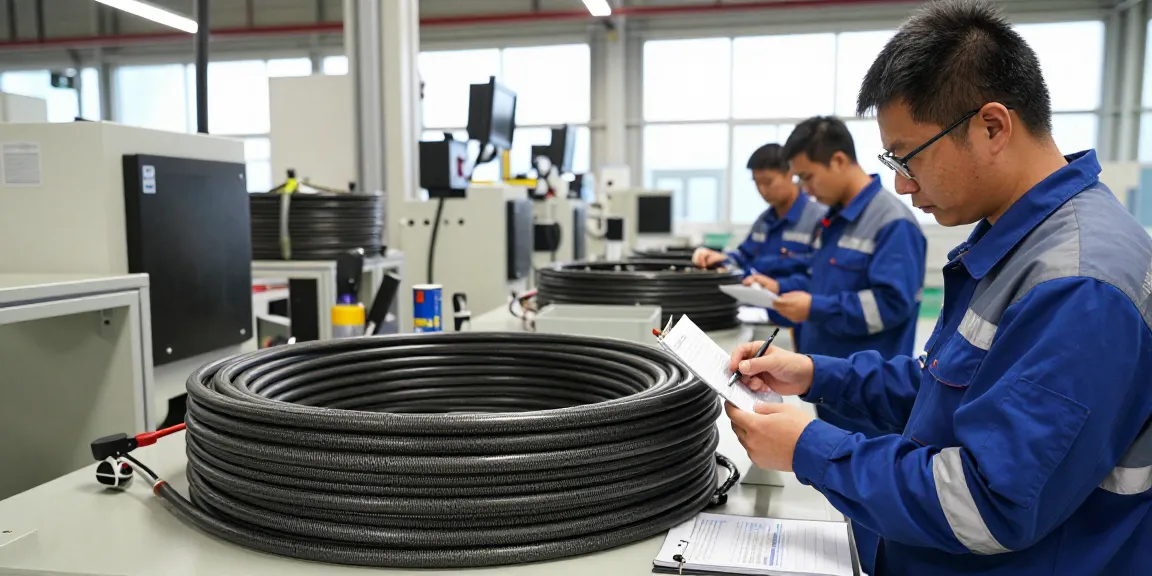
Understanding GRP Grating
What is GRP Grating?
Glass Reinforced Plastic (GRP) grating is a composite material made from fiberglass, which provides high strength and resistance to environmental factors. It consists of a matrix of resin reinforced with glass fibers, resulting in a lightweight yet robust product. GRP grating is primarily used in industrial, commercial, and residential applications for flooring, walkways, and platforms due to its non-corrosive properties.
Key Benefits of GRP Grating
GRP grating offers several distinct advantages over traditional materials like steel and aluminum:
- Lightweight: Significantly lighter than metal options, making installation easier and reducing structural load.
- Corrosion Resistance: GRP does not rust or corrode, ensuring longevity in harsh environments.
- Non-conductive: Safe for electrical applications and environments where electrical insulation is crucial.
- Slip Resistance: Many GRP grates come with a textured surface that minimizes slip hazards.
- Low Maintenance: Requires less upkeep compared to metal grating, providing cost-effective longevity.
Applications of GRP Grating
GRP grating is versatile and can be found in numerous applications across various industries:
- Industrial Facilities: Used in chemical plants, waste water treatment facilities, and manufacturing plants where chemical resistance is essential.
- Commercial Spaces: Ideal for stair treads, walkways, and floor areas that demand durability without sacrificing aesthetics.
- Marine Environments: Excellent for docks and shipyards where exposure to water and chemicals is prevalent.
- Aquatic Applications: Used in pools and water treatment areas for its slip resistance and durability.
- Mining: Provides an effective solution for walkways and platforms in rugged conditions.
Choosing the Right GRP Grating Supplier
Factors to Consider When Selecting a Supplier
Finding the right supplier for GRP grating is crucial for ensuring quality and service. Consider the following factors:
- Product Range: Confirm that the supplier has a broad selection of GRP products to meet your specific needs.
- Certifications: Ensure the supplier's products comply with relevant industry standards and certifications, such as ASTM or ISO.
- Customization Options: Look for suppliers who offer customization for size, color, and additional features tailored to your project.
- Lead Times: Assess their ability to deliver orders on time, especially for large projects that require strict deadlines.
Evaluating Supplier Experience and Reputation
Researching a supplier’s history and reputation lays the groundwork for a successful partnership. Here are key steps:
- Years in Business: Check how long the supplier has been operating. Experience often indicates reliability.
- Customer Reviews: Look for testimonials and reviews from past clients to gauge customer satisfaction.
- Case Studies: Inquire about case studies or references that showcase similar projects the supplier has completed.
- Industry Reputation: Assess the supplier's standing within the industry through professional associations or publications.
Comparing Pricing and Quality
While cost is an important factor, it should not be the sole consideration. Balance price with quality to find the best value. Take these steps:
- Request Quotes: Obtain pricing from multiple suppliers and analyze the quotes based on specifications, including installation costs.
- Quality Assessment: Look for samples or conduct material tests to ensure the quality matches the price point.
- Long-term Value: Consider the lifespan and maintenance costs of the grating. Cheaper options might incur higher expenses over time.
- Warranty Offered: Assess the warranty and post-sale support to ensure protection and assistance if any issues arise.
Installation Guide for GRP Grating
Preparation Before Installation
Proper preparation is essential for a successful installation of GRP grating. Follow these steps:
- Site Inspection: Inspect the installation area to ensure it is clean, flat, and free of obstacles.
- Gather Tools: Prepare the necessary tools such as a measuring tape, saw, drill, and safety gear.
- Determine Configuration: Plan the layout and configuration of the grating, considering load requirements and space constraints.
Step-by-Step Installation Process
The installation of GRP grating can be straightforward if you follow these steps:
- Measure and Cut: Measure the grating panels based on the predetermined layout and cut them to size if necessary.
- Position Panels: Place the panels in their designated positions, ensuring they fit snugly and level.
- Secure Panels: Use appropriate fasteners and clips to secure the panels in place, ensuring they are tightly fixed.
- Inspect Alignment: Confirm that all panels are aligned correctly before finalizing the installation.
Common Mistakes to Avoid
Avoiding common pitfalls can save time and costs during installation:
- Neglecting Measurements: Always double-check measurements before cutting to prevent errors.
- Overlooking Load Ratings: Ensure the grating selected meets the load requirements of the application to avoid failure.
- Improper Fastening: Use the correct fasteners and ensure all panels are securely attached to prevent movement.
Maintenance Tips for GRP Grating
Routine Maintenance Practices
Routine maintenance ensures the longevity of GRP grating. Regularly carry out the following:
- Cleaning: Clean the surface periodically to remove dirt and debris that may cause slipping.
- Inspection: Regularly check for signs of wear or damage, focusing on high-traffic areas.
- Repairs: Promptly address any repairs to maintain safety and functionality.
Identifying and Addressing Damage
Being proactive in damage management can extend the life of your grating. Look for:
- Cracks or Chips: Inspect for any surface imperfections and replace damaged panels immediately.
- Discoloration: Notice any changes in color that may indicate degradation from UV exposure.
- Loose Panels: Quickly tighten any panels that have come loose to prevent movement and safety hazards.
Extending the Lifespan of Your Grating
To maximize the lifespan of GRP grating, consider these strategies:
- Choose Quality: Always select high-quality GRP from a reputable supplier to ensure durability.
- Protective Coatings: Use UV-resistant coatings to protect against sunlight damage, especially in outdoor applications.
- Avoid Heavy Loads: Ensure that the grating is not exposed to excessive weights beyond its specified load capacity.
FAQs About GRP Grating
What are the advantages of using GRP over metal grating?
GRP is lightweight, corrosion-resistant, and does not rust, which makes it suitable for various environments.
How do I choose the right thickness for GRP grating?
The thickness depends on the load requirements and application area. Consult supplier specifications for guidance.
Can GRP grating be used outdoors?
Yes, GRP is UV stabilized and can endure outdoor conditions effectively without significant degradation.
Are there different types of GRP grating?
Yes, GRP gratings come in molded and pultruded options, each with unique properties suitable for different uses.
What maintenance is required for GRP grating?
Regular cleaning and inspection for wear are sufficient. Promptly repair any damage to maintain performance.
For quality solutions and reliable services, visiting a reputable GRP Grating Supplier can be advantageous.