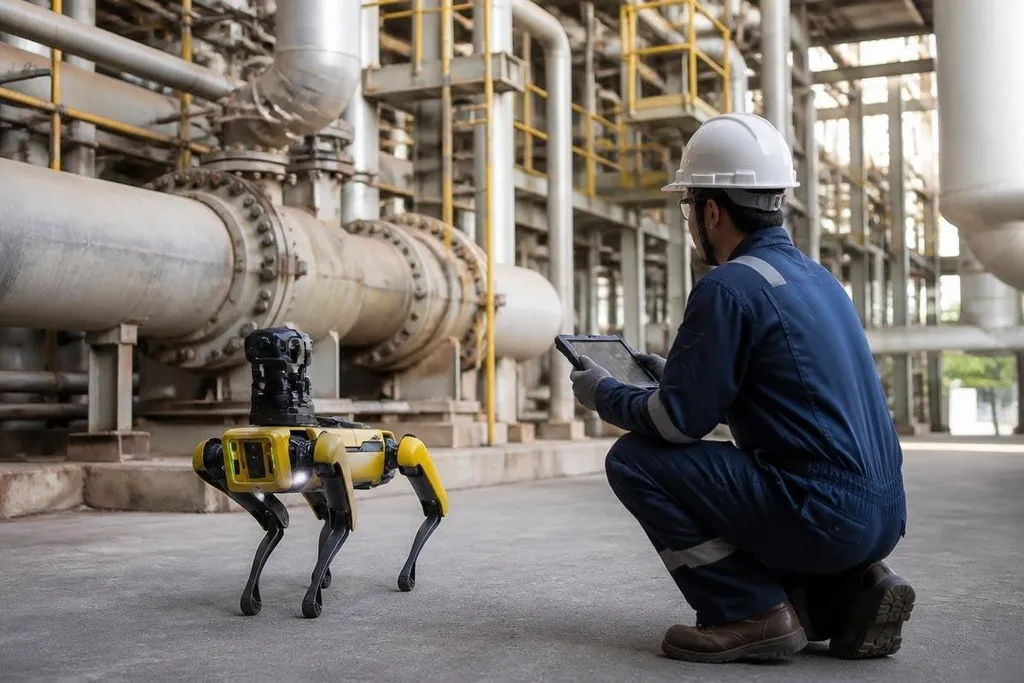
Understanding AR Work Instructions
What Are AR Work Instructions?
Augmented Reality (AR) work instructions are an innovative approach to delivering task-related information by overlaying digital content onto the physical work environment. By utilizing devices such as smart glasses or smartphones, employees can receive real-time, contextual guidance as they perform their duties. This immersive experience enhances understanding, reduces errors, and expedites training. In essence, AR work instructions merge the digital and physical worlds, creating a user-friendly interface that aligns with modern operational demands. Effective implementation of these instructions can significantly improve job performance and productivity.
Key Benefits of AR Work Instructions
There are numerous advantages associated with AR work instructions. Primarily, they enhance clarity and comprehension by visualizing complex information, making it easier for workers to follow step-by-step processes. This immediacy diminishes the reliance on traditional manuals or digital documents, which can often be cumbersome and difficult to utilize in a fast-paced work environment. Moreover, an AR work instructions approach fosters greater efficiency by enabling real-time updates and adjustments, greatly reducing the chance for error. Other notable benefits include:
- Improved Training Efficiency: Workers can learn on the job with instant access to instructions.
- Consistency in Outputs: Standardizes procedures, ensuring quality control across operations.
- Enhanced Safety: AR can highlight potential hazards and safe practices during tasks.
- Scalability: Easily adaptable to new workflows and processes as technology evolves.
How AR Work Instructions Fit into Modern Workflows
AR work instructions are increasingly becoming integral to modern workflows, particularly in industries where efficiency, precision, and safety are paramount. By seamlessly integrating with existing systems, AR can provide hands-free, interactive support that aligns with the fast-paced demands of today's workforce. The effectiveness of AR is further enhanced when combined with Industrial Internet of Things (IIoT) devices, enabling real-time data collection and dissemination. As organizations strive for digital transformation, AR work instructions represent a pivotal evolution in achieving operational excellence.
Best Practices for Implementing AR Work Instructions
Steps to Create Effective AR Work Instructions
Designing effective AR work instructions involves a thorough understanding of both the technology and the tasks at hand. Begin by analyzing the specific needs of the workforce and identifying the common tasks that can benefit from augmented support.
The following steps can ensure that AR work instructions are both practical and impactful:
- Define Objectives: Establish what you aim to achieve with AR instructions, such as reduced completion time or lower error rates.
- Involve Stakeholders: Engage employees and subject matter experts to gather insights on how AR can enhance existing processes.
- Design User-Centric Content: Ensure that the instructions are intuitive, using clear language and engaging visual elements.
- Prototype and Test: Develop a prototype of the AR instructions and test them in real-world conditions to gather feedback for improvements.
- Iterate and Refine: Continuously improve the instructions based on user experience and emerging best practices.
Integrating AR Work Instructions into Existing Systems
Effective integration of AR work instructions into existing systems is critical for maximizing their utility. This process involves ensuring compatibility with legacy systems and adapting workflows to accommodate AR technology while minimizing disruption. The integration process can be streamlined through the following strategies:
- Assess Existing Workflows: Understand how current processes function, identifying opportunities for AR enhancements.
- Utilize Open Standards: Choose technologies that adhere to industry standards, ensuring interoperability with other systems.
- Engage IT Support: Collaborate with IT experts to address any technical concerns and facilitate smooth implementation.
- Implement Gradually: Start with pilot projects before rolling out AR instructions more broadly to evaluate their impact.
Training Employees on AR Work Instructions
Effective training is crucial for successful AR implementation, as the technology may be new to many employees. Training should encompass not only the technical aspects of using the AR tools but also how to interpret and utilize the work instructions effectively.
Consider the following approaches for employee training:
- Hands-On Training: Provide direct experience with the AR system to build confidence and familiarity.
- Step-by-Step Guides: Develop easy-to-follow guides that employees can reference while using AR instructions.
- Continuous Support: Establish a support system for ongoing assistance, addressing any questions or technical difficulties.
- Encourage Feedback: Create channels for employees to share their experiences and suggestions for improvement.
Common Challenges with AR Work Instructions
Overcoming Technical Barriers in AR Work Instructions
While AR work instructions offer numerous benefits, several technical challenges can arise during implementation. Common issues include equipment compatibility, software integration, and connectivity limitations. To overcome these barriers:
- Conduct a Technical Audit: Ensure that both hardware and software meet the requirements for effective AR deployment.
- Invest in Training for IT Teams: Equip IT staff with the knowledge they need to address potential technical issues proactively.
- Continuous Monitoring: Regularly assess the performance of AR systems and be prepared to make necessary adjustments.
Addressing User Adoption Issues
User adoption can be a significant hurdle in the successful implementation of AR work instructions. Employees who are unfamiliar with the technology may resist its integration. To encourage acceptance, consider implementing:
- Involvement in Development: Involve employees in the content creation process to foster a sense of ownership.
- Showcase Success Stories: Highlight examples where AR work instructions have improved efficiencies in tasks similar to theirs.
- Promote a Positive Mindset: Reinforce the idea that the technology is a tool for empowerment rather than a replacement.
Keeping Content Up-to-Date
Static content can hinder the effectiveness of AR work instructions. Regular updates are necessary to ensure that the information remains relevant and effective. To maintain up-to-date content:
- Establish a Review Schedule: Set regular intervals for reviewing and updating AR instructions based on changing processes or technologies.
- Incorporate User Feedback: Actively seek input from users to identify areas for improvement and necessary updates.
- Utilize Analytics Tools: Employ analytics to monitor how the instructions are used, identifying trends that may signal the need for updates.
Case Studies of Successful AR Work Instructions
Industry Applications of AR Work Instructions
Various industries have successfully adopted AR work instructions, showcasing their versatility and efficacy. In manufacturing, AR has been used to streamline assembly processes by providing real-time, overlaid instructions that increase accuracy and speed. Similarly, in healthcare, AR applications help surgical teams visualize procedures, improving operational efficiency and patient safety.
Each of these examples illustrates how AR work instructions can be tailored to meet the unique demands of different sectors, leading to significant performance improvements.
Measuring the Impact of AR Work Instructions
To gauge the success of AR work instructions, organizations should implement robust metrics that reflect their impact on performance. Key performance indicators (KPIs) might include:
- Task Completion Time: Measure how long it takes employees to complete tasks before and after AR implementation.
- Error Rates: Record the number of mistakes made during task execution to assess any changes in quality.
- Employee Satisfaction: Conduct surveys to evaluate how employees feel about using AR work instructions and their perceived effectiveness.
- Training Duration: Analyze the time needed for employees to reach proficiency with new workflows supported by AR instructions.
Lessons Learned from AR Work Instructions Implementation
Several key lessons have emerged from organizations that have implemented AR work instructions:
- Start Small: Begin with a pilot project to understand the feasibility and make necessary adjustments before a broader rollout.
- Prioritize User Experience: Ensure that the AR instructions are intuitive and easy to use to facilitate adoption.
- Maintain Flexibility: Stay adaptable to changing technologies and feedback, allowing continual improvement in AR solutions.
Future Trends in AR Work Instructions
Emerging Technologies and Their Impact on AR Work Instructions
The landscape of AR technology is rapidly evolving, with emerging tools and devices enhancing the capabilities of AR work instructions. Developments such as artificial intelligence can offer predictive analytics, refining instructional content based on user behavior. Additionally, advancements in wearable technology will further integrate AR into daily operations, allowing hands-free interactions that better support workers in the field.
Predictions for the Future of AR Work Instructions
As AR technology matures, several trends are anticipated to shape the future of AR work instructions:
- Increased Personalization: Future AR work instructions may offer personalized guidance tailored to individual worker preferences and history.
- Broader Adoption: With the overall familiarity of AR among employees increasing, its adoption is likely to become standard practice in more industries.
- Enhanced Integration with IoT: Further integration with IoT devices will allow for more context-rich instructions based on real-time data.
How to Stay Ahead in the AR Work Instructions Space
Organizations eager to maintain a competitive edge in employing AR work instructions should consider the following strategies:
- Invest in Continuous Learning: Encourage ongoing training and education in new AR technologies and methodologies.
- Network with Industry Leaders: Engage with communities and experts to stay informed about the latest developments in AR technology.
- Conduct Regular Evaluations: Continuously measure the impact of AR work instructions and be willing to pivot strategies based on findings.
FAQs About AR Work Instructions
What industries benefit from AR work instructions?
AR work instructions are useful in manufacturing, healthcare, and aviation, enhancing training and operational efficiency.
How do I train employees to use AR work instructions?
Provide hands-on training, offer step-by-step guides, and ensure ongoing support to foster confidence in using AR tools.
Can AR work instructions be customized?
Yes, AR work instructions can be tailored to specific tasks and workflows, enhancing relevance and usability for teams.
What devices are required for AR work instructions?
AR work instructions typically require smart glasses or mobile devices equipped with AR capabilities and compatible software.
How can I measure the effectiveness of AR work instructions?
Evaluate performance metrics like task completion time, error rates, and employee satisfaction before and after implementation.