Understanding License Plate Recognition Camera Technology
What is a License Plate Recognition Camera?
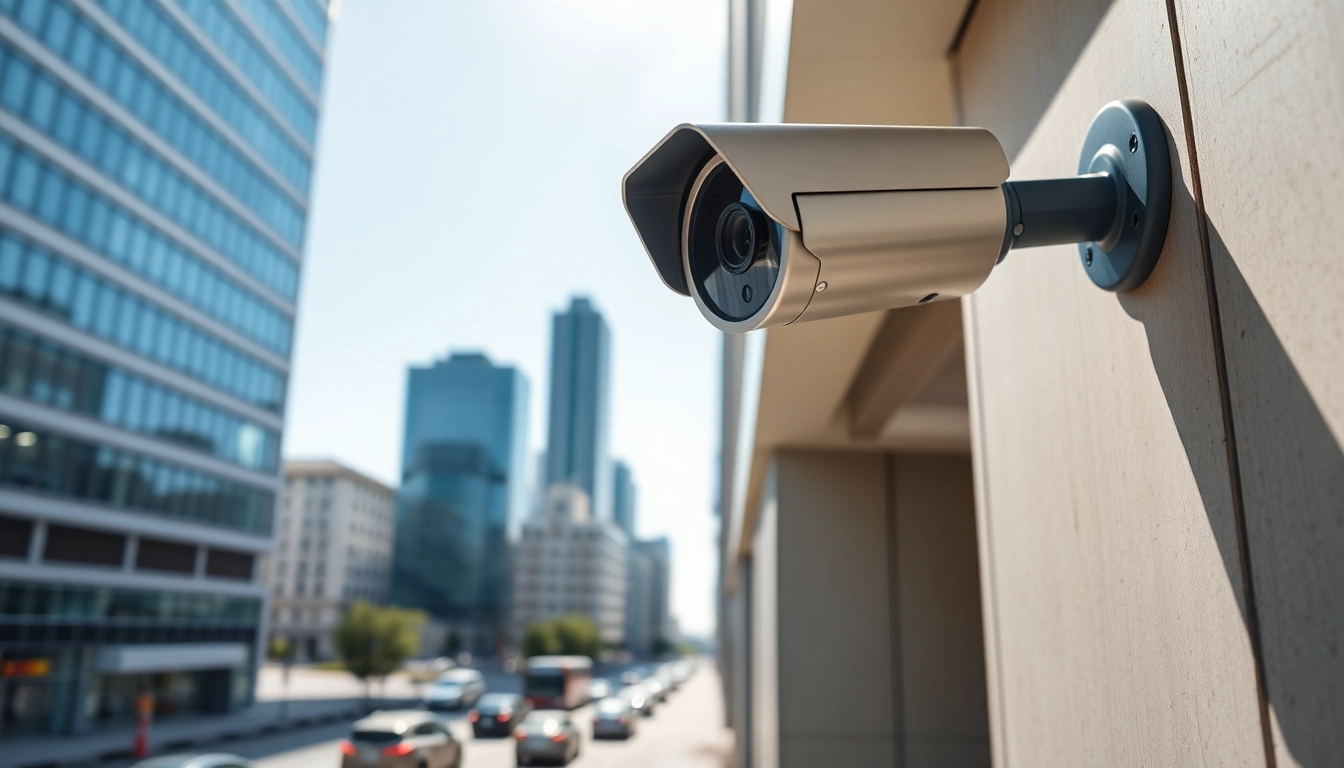
A license plate recognition camera is a sophisticated technology that employs advanced imaging and software algorithms to automatically read and interpret vehicle license plates. These cameras are widely used in various applications, from law enforcement to parking management. By capturing images at high speeds and analyzing them, these cameras can quickly identify vehicles, account for traffic patterns, and enhance security measures in numerous settings.
How License Plate Recognition Works
License plate recognition systems primarily include two components: hardware (the camera) and software (the processing unit). Here’s how they work:
- Image Capture: The camera captures images of vehicles as they pass by, typically using high-resolution sensors capable of detailed imaging even in low-light environments.
- Image Preprocessing: Captured images undergo preprocessing to improve clarity, helping enhance the visibility of license plates. This may include adjusting lighting, contrast, or removing motion blur.
- Character Recognition: Advanced Optical Character Recognition (OCR) algorithms analyze the processed images to identify characters on the license plates. This involves recognizing letters, numbers, and even symbols.
- Data Storage and Management: The processed data is stored in databases, enabling authorities or businesses to retrieve statistics, track vehicles, or manage access control.
Common Applications of License Plate Recognition Cameras
License plate recognition cameras have a wide range of applications in different sectors:
- Law Enforcement: Police agencies use these cameras for vehicle tracking, detecting stolen vehicles, and managing crime scene investigations.
- Traffic Monitoring: Municipalities employ them for monitoring traffic flow, managing congestion, and enforcing parking regulations.
- Access Control: Businesses utilize these systems at gated communities and private lots to facilitate smooth vehicle entry and exit.
- Security Surveillance: In commercial settings, these cameras enhance security measures by monitoring who accesses certain areas, potentially preventing unauthorized entry.
Benefits of Using License Plate Recognition Cameras
Improved Security and Crime Prevention
One of the primary benefits of license plate recognition cameras is enhanced security. They can automatically identify and track vehicles, assisting in the quick apprehension of criminals. Law enforcement can receive real-time alerts when a stolen vehicle is detected, enabling rapid response measures. Moreover, by capturing high-quality images, these cameras provide valuable evidence for investigations, enhancing overall public safety.
Streamlining Traffic Management
Traffic congestion is a perennial issue in urban areas. License plate recognition cameras facilitate better traffic management by gathering data on vehicle flow and counts. This information helps city planners and traffic authorities to optimize traffic signal timings, deploy traffic officers more effectively, and develop long-term solutions for reducing congestion. Additionally, these cameras can assist in monitoring parking spaces, directing drivers to available spots, and minimizing search time.
Enhancing Customer Experience in Commercial Spaces
Retailers and service providers can significantly enhance customer experience by implementing license plate recognition cameras. For example, car washes, shops, and hotels can offer loyalty programs based on vehicle recognition, speeding up service while providing a personalized experience. Parking areas equipped with these cameras reduce waiting times and improve the efficiency of service operations. This ensures that customers enjoy a seamless experience, contributing to higher satisfaction and retention rates.
Choosing the Right License Plate Recognition Camera
Key Features to Look for
When selecting a license plate recognition camera, consider the following key features to ensure optimal performance:
- Resolution: Higher resolution cameras can capture more detailed images, especially in varying lighting conditions and at greater distances.
- Frame Rate: Cameras with higher frame rates are better suited for fast-moving traffic, ensuring that passing vehicles are captured clearly.
- Environmental Resistance: Opt for models that are weatherproof and can function in a variety of environmental conditions, ensuring reliability.
- Integration Capabilities: Choose cameras that can be integrated with existing security systems and databases for enhanced functionality.
Understanding Different Price Points
License plate recognition cameras come with a range of prices depending on features, technology, and brand reputation. Entry-level models may start around $150, catering to residential needs. Mid-range options often offer enhanced features suitable for small businesses, while high-end models equipped with advanced analytics for large-scale deployments could reach several thousand dollars. It’s essential to evaluate your specific needs and budget to select a camera that delivers the best value.
Installation Considerations for Optimal Performance
When installing a license plate recognition camera, proper placement is crucial for effectiveness. Here are some installation best practices:
- Height and Angle: Position cameras at a height that allows for unobstructed views of the license plates, usually at a height of 8–10 feet with an angle that aligns with typical traffic flow.
- Lighting Conditions: Ensure that the camera is positioned to avoid glare from headlights, sunset, or surrounding bright lights.
- Network Connectivity: Ensure a stable internet connection to facilitate real-time data processing and alerts.
Best Practices for Implementing License Plate Recognition Solutions
Integrating with Existing Security Systems
To maximize the effectiveness of license plate recognition cameras, integrate them with your current security system. This may involve connecting them to surveillance systems, alarm systems, and access control software. By creating a comprehensive security network, organizations can enhance surveillance efficiencies, track vehicle movements easily, and respond to incidents promptly.
Data Privacy and Compliance Considerations
With the increasing use of surveillance technologies, it’s essential to address privacy concerns and comply with legal regulations. Organizations should establish clear policies regarding data collection, retention, and sharing. Depending on local laws, recorded data may need to be safeguarded and accessible only to authorized personnel. Regular audits can ensure compliance with privacy laws and help maintain public trust.
Regular Maintenance and Upkeep
Maintaining your license plate recognition camera system is vital for optimal performance. Routine checks should include:
- Software Updates: Ensure that the camera software is updated regularly to benefit from enhanced features and security improvements.
- Physical Inspection: Regularly inspect the hardware for cleaning and repairs to lenses, ensuring clear visibility for image capture.
- Performance Review: Conduct periodic assessments of performance metrics to ensure efficiency and reliability in capturing license plate data.
Future Trends in License Plate Recognition Technology
Advancements in AI and Machine Learning
The future of license plate recognition cameras is heavily tied to advancements in artificial intelligence (AI) and machine learning. These technologies enhance the ability to accurately recognize license plates, learn from past data, and improve performance. As AI algorithms continue to evolve, the capabilities of these systems will expand, providing new functionalities that help in trend analysis and predictive policing.
Integration with Smart City Initiatives
License plate recognition technologies are increasingly being integrated into smart city initiatives. This could involve linking vehicle data with public transportation systems, traffic management solutions, and environmental monitoring to create a connected urban ecosystem. Such integration supports initiatives for safer streets, reduced emissions, and streamlined city management.
Potential Regulatory Changes Impacting Use
As the deployment of surveillance technologies grows, tracking regulatory changes becomes critical. Governments may introduce new regulations on data usage, surveillance practices, and privacy protections. Stakeholders should stay informed about these changes to ensure their systems remain compliant and uphold public trust.
Frequently Asked Questions
1. What distinguishes a license plate recognition camera from regular CCTV?
Unlike regular CCTV cameras that capture general footage, license plate recognition cameras are specialized devices designed to specifically capture, read, and process vehicle license plates using advanced OCR technology.
2. Can license plate recognition cameras work at night?
Yes, many license plate recognition cameras are equipped with infrared technology, allowing them to capture clear images even in low-light conditions, ensuring reliable functionality 24/7.
3. Are there privacy concerns with using license plate recognition cameras?
Yes, privacy concerns are significant. Organizations must ensure data collection complies with local laws and take steps to protect user privacy while maintaining surveillance effectiveness.
4. How accurate are license plate recognition cameras?
Accuracy varies by model but can exceed 95% under optimal conditions. Factors such as lighting, weather, and camera placement affect performance and recognition speed.
5. Can these cameras be used for automatic vehicle entry systems?
Absolutely! License plate recognition systems are commonly integrated into automatic entry systems for gated communities or secure facilities, providing seamless access control for authorized vehicles.