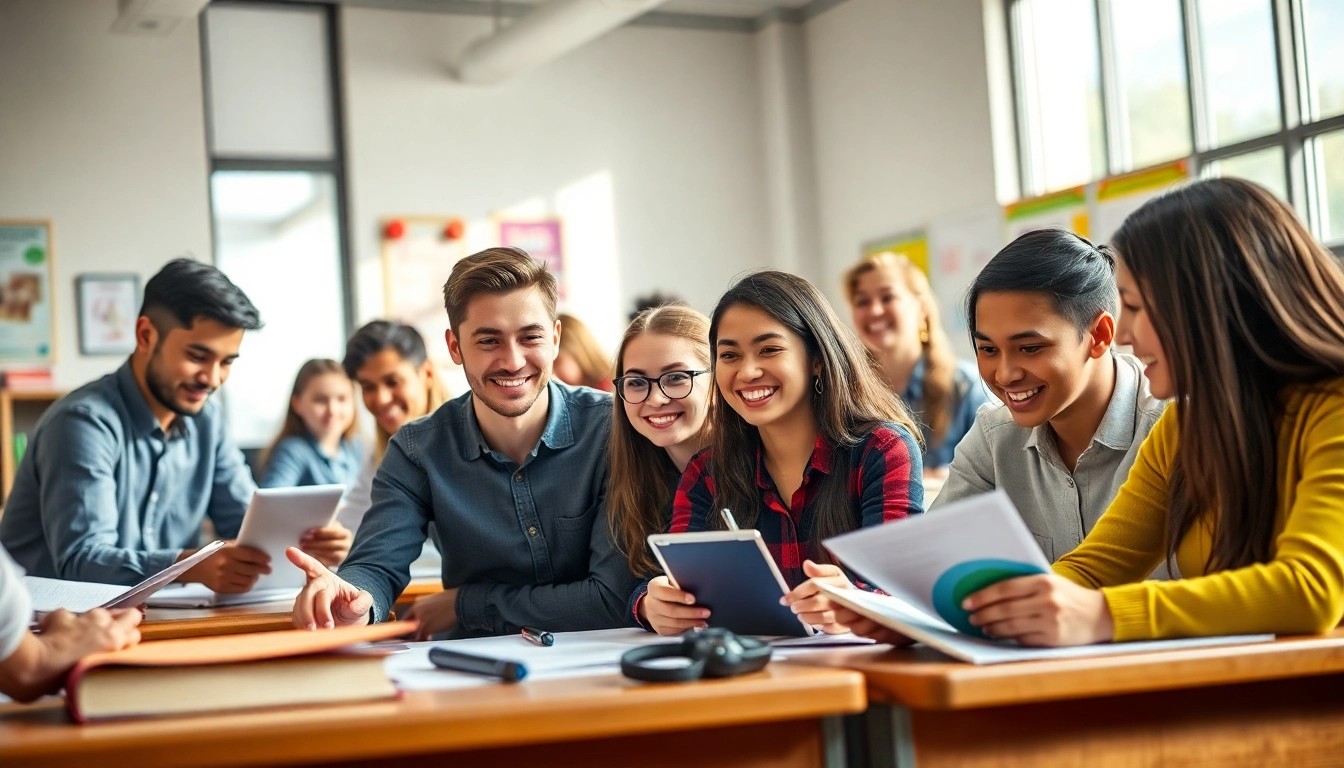
Understanding Education: Beyond Traditional Methods
Education is a fundamental pillar of society, shaping individuals and influencing communities on multiple levels. As the world evolves rapidly, so do the methods and approaches to education. In this enhanced exploration, we delve into the intricacies of education, moving beyond traditional methods to focus on critical thinking, diverse learning styles, and the powerful role technology plays in modern classrooms. The objective is to provide insightful perspectives that enhance our understanding of Education and foster an environment conducive to effective learning.
The Role of Critical Thinking in Education
Critical thinking is an essential skill that empowers students to analyze, evaluate, and synthesize information effectively. It encourages learners to question assumptions, seek evidence, and make informed decisions rather than simply accepting facts at face value. In an age where misinformation is rampant, fostering critical thinking in education is crucial.
To cultivate critical thinking, educators can implement strategies such as Socratic questioning, debates, and case studies. For instance, a debate on a current global issue can stimulate critical analysis and encourage students to weigh differing viewpoints. By engaging in such activities, students learn to articulate their thoughts clearly and develop a nuanced understanding of complex topics.
Moreover, assessing critical thinking skills can be complex. Educators need to use a mix of formative assessments, like reflections and peer reviews, and summative assessments to evaluate how well students can apply critical thinking independently.
Exploring Different Learning Styles in Education
Every student is unique, and understanding varying learning styles can significantly enhance educational outcomes. The three primary learning styles include:
- Visual Learners: These students benefit from diagrams, charts, and visual aids.
- Auditory Learners: They grasp information better through listening, discussions, and lectures.
- Kinaesthetic Learners: These learners thrive through hands-on activities and real-life experiences.
To effectively address these diverse learning styles, educators should incorporate a variety of teaching methods. For example, a science lesson could include an experimental demonstration (kinesthetic), a video (visual), and a discussion about the concepts involved (auditory). By recognizing and accommodating different learning preferences, teachers can create inclusive classrooms where all students can flourish.
Integration of Technology in Modern Education
The integration of technology in education marks a significant shift in how knowledge is disseminated and consumed. Digital tools like tablets, online resources, and educational software enable interactive learning experiences unheard of in traditional classrooms. For example, adaptive learning platforms can customize educational content to suit the individual needs of each student, providing a tailored educational experience.
Technology also facilitates access to vast resources beyond the standard curriculum. Students can engage with experts globally, utilize online databases for research, and participate in virtual simulations. However, while technology enhances learning, it’s vital to balance screen time and ensure that students develop interpersonal skills through face-to-face interactions.
Challenges in Education: Barriers to Effective Learning
Despite advancements in educational methodologies, numerous challenges hinder effective learning. These barriers can stem from socioeconomic factors, learning disabilities, and the rapid transition to remote learning, which has reshaped the educational landscape.
Addressing Socioeconomic Factors in Education
Socioeconomic status significantly impacts educational opportunities. Students from low-income families often face hurdles such as lack of access to resources, limited parental support, and fewer extracurricular opportunities. Schools in affluent areas frequently offer richer programs, while those in underfunded districts struggle to provide basic educational necessities.
To address these disparities, education systems must aim for equitable resource allocation. Programs such as scholarships, free tutoring sessions, and partnerships with community organizations can help bridge the gap. Moreover, schools should work to create an inclusive environment, actively engaging parents to foster a supportive educational atmosphere.
Overcoming Learning Disabilities in Education
Learning disabilities can significantly affect a student's ability to process information, making it vital for educators to understand and strategize around these challenges. Conditions such as dyslexia, ADHD, and autism spectrum disorders require tailored approaches to ensure affected students receive the support they need.
Strategies such as individualized education programs (IEPs) can address specific needs, helping students achieve their academic goals. Additionally, training educators to identify signs of learning disabilities and knowing how to adapt their methods is crucial in creating an engaging and supportive learning environment.
The Impact of Remote Learning on Education
The COVID-19 pandemic catalyzed a shift toward remote learning, opening new avenues while also presenting significant challenges. While some students thrived in a remote environment, others struggled with isolation, lack of motivation, and limited access to technology.
To mitigate the negative effects of remote learning, educators must prioritize engagement strategies. Regular check-ins, virtual study groups, and interactive lessons can foster connection and a sense of community among students. Schools should also provide resources to assist families who may lack technology or a conducive learning environment at home.
Innovative Strategies for Effective Education
As challenges abound, innovative strategies emerge to enhance educational practices and improve student engagement. By adopting these approaches, educators can make learning more dynamic and impactful.
Project-Based Learning in Education
Project-Based Learning (PBL) encourages students to learn by engaging in real-world and personally meaningful projects. This method fosters critical thinking, collaboration, and communication skills, equipping students with the competencies needed in today’s workforce.
For instance, a PBL unit could involve students researching local environmental issues, developing solutions, and presenting their findings to the community. Such projects can create an authentic learning experience that not only enhances knowledge but also instills a sense of responsibility and agency in students.
Collaborative Learning Techniques in Education
Collaboration among students fosters diverse perspectives and enhances communication skills. Techniques such as cooperative learning, where students work in small groups to complete tasks, allow peer-to-peer teaching and learning. This not only reinforces understanding but also builds social skills essential for success outside the classroom.
For example, implementing think-pair-share activities in which students think individually, discuss with a partner, and then share with the class can significantly increase engagement and retention of information.
Gamification as a Tool in Education
Gamification involves integrating game elements into the educational process to make learning more engaging and enjoyable. Educational games, badges, and leaderboards can motivate students and create a fun learning environment. By setting clear objectives and providing immediate feedback, gamification taps into students' intrinsic motivation.
For example, using an educational app that incorporates level-based challenges can incentivize students to master subjects, turning learning into a rewarding experience. Teachers can also create a classroom points system where students earn rewards for achieving milestones, fostering a healthy competitive spirit.
Measuring Success in Education: Metrics and Assessments
To improve educational practices, it is vital to measure success and progress effectively. Various metrics and assessment methods can provide insight into students’ understanding and educational outcomes.
Standardized Testing vs. Alternative Assessments in Education
Standardized testing has long been the dominant measure of educational success; however, it often fails to capture the holistic development of students. Alternative assessments, such as portfolios and project evaluations, offer richer insights into a student's abilities and learning progress.
For instance, creating a portfolio where students showcase their best work allows for a comprehensive assessment of their skills and creativity. Educators can analyze growth over time, providing a more nuanced evaluation compared to a single test score.
Utilizing Student Feedback in Education
Student feedback is a vital component of education, offering insights into the effectiveness of teaching methods and curriculum. Regular feedback can help educators make necessary adjustments to improve learning outcomes.
Implementing anonymous surveys or discussion sessions can facilitate open dialogue, helping students feel valued while informing educators about their experiences. Utilizing this feedback can foster a responsive learning environment where students feel empowered and educators can adapt to meet their needs.
Evaluating Technology’s Impact on Education Outcomes
The impact of technology in education must be continuously assessed to ensure its effectiveness. Educators should analyze data on student performance, engagement levels, and satisfaction rates to gauge how technology-enhanced learning environments affect educational outcomes.
By tracking assessments and utilizing analytics from educational platforms, schools can measure the correlation between technology use and student success, allowing for ongoing refinement of digital tools and approaches in the classroom.
Future Trends Shaping Education
The landscape of education is ever-evolving, influenced by technological advancements, changing societal needs, and emerging pedagogical approaches. To prepare students for the future, educational institutions must remain adaptable and forward-thinking.
The Role of Artificial Intelligence in Education
Artificial Intelligence (AI) has the potential to revolutionize education by personalizing learning experiences. AI-driven platforms can assess student performance and tailor content to individual learning styles and pace. For instance, intelligent tutoring systems can provide personalized feedback and resources, enabling students to master concepts more effectively.
Moreover, AI can enhance administrative tasks, allowing educators to focus more on teaching. Automating scheduling, grading, and resource allocation can streamline operations, optimizing educational experiences.
Global Education Reforms and Their Implications
Education reforms worldwide often aim to expand access, improve quality, and align educational practices with current job market demands. Global organizations consistently emphasize the need to adapt educational systems to meet the challenges of a rapidly changing world
For instance, initiatives aimed at integrating vocational training into mainstream education can provide students with relevant skills for the workforce. Such reforms not only create a skilled labor pool but also promote lifelong learning among individuals.
Preparing Students for a Technology-Driven World in Education
As technology seamlessly integrates into every aspect of life, preparing students for a technology-driven world becomes imperative. This preparation extends beyond simply using technology; it involves instilling skills such as digital literacy, critical thinking, and adaptability.
Teaching students how to navigate digital information prudently, engage in ethical practices online, and leverage technology for problem-solving should be at the forefront of academic curriculums. Schools can incorporate coding, data analysis, and digital storytelling into their offerings, equipping students for future challenges in a diverse array of careers.
In conclusion, education is a multifaceted journey that requires an understanding of diverse learning methods, addressing barriers, and implementing innovative strategies. By equipping educators and students alike with the tools and insights necessary for success, we can create a more engaged, equitable, and responsive educational environment for all.