Understanding the Importance of Our Children's Vision
Vision is integral to childhood development, acting as a foundation for learning, exploration, and social interaction. An estimated Our Children's Vision initiative highlights the significance of recognizing and addressing vision issues during the formative years. As children navigate their early environments, their ability to see clearly impacts almost every aspect of their growth.
The Role of Vision in Childhood Development
During the first few years of life, children's vision develops rapidly. Vision not only helps them perceive the world around them but is vital for cognitive and physical development. Good vision is crucial for:
- Learning: From reading to observing instructions, vision plays a pivotal role in acquiring knowledge.
- Social Skills: Non-verbal communication often relies on visual cues, making effective vision necessary for building relationships.
- Motor Skills: Depth perception and hand-eye coordination, both reliant on good vision, are essential for physical activities and sports.
Common Vision Problems in Children
Despite its importance, many children suffer from various vision problems that can hinder their development. Some common conditions include:
- Myopia (Nearsightedness): Difficulty seeing distant objects clearly.
- Hyperopia (Farsightedness): Trouble focusing on nearby objects.
- Astigmatism: Distorted vision due to an uneven shape of the cornea.
- Strabismus (Crossed Eyes): A condition where the eyes do not align properly.
- Amblyopia (Lazy Eye): A condition where one eye fails to achieve normal visual acuity, which can lead to lasting vision impairment if untreated.
These issues are often undetected in young children due to their inability to articulate their vision problems. Awareness and proactive action are necessary to mitigate long-term effects.
How to Identify Vision Issues Early
Parents and caregivers play an essential role in identifying potential vision problems. Some signs to watch for include:
- Squinting or closing one eye to see better.
- Lack of interest in visual activities like reading or puzzles.
- Frequent headaches or eye rubbing.
- Difficulty focusing on objects at varying distances.
If any of these signs are observed, it is critical to consult an eye care professional as early diagnosis leads to better treatment outcomes.
Comprehensive Eye Exams for Children
Routine eye exams are crucial for maintaining children's eye health and ensuring the best developmental outcomes. These exams can uncover issues that may not be visible during regular checkups.
When to Schedule Eye Examinations
According to pediatric recommendations, children should have their first comprehensive eye exam by age one, followed by additional exams at various critical developmental stages:
- Age 3
- Before entering kindergarten
- Every two years thereafter, or more frequently based on your eye care provider's advice.
Regular check-ups ensure any emerging issues are caught early and can be addressed promptly.
What to Expect During an Eye Exam
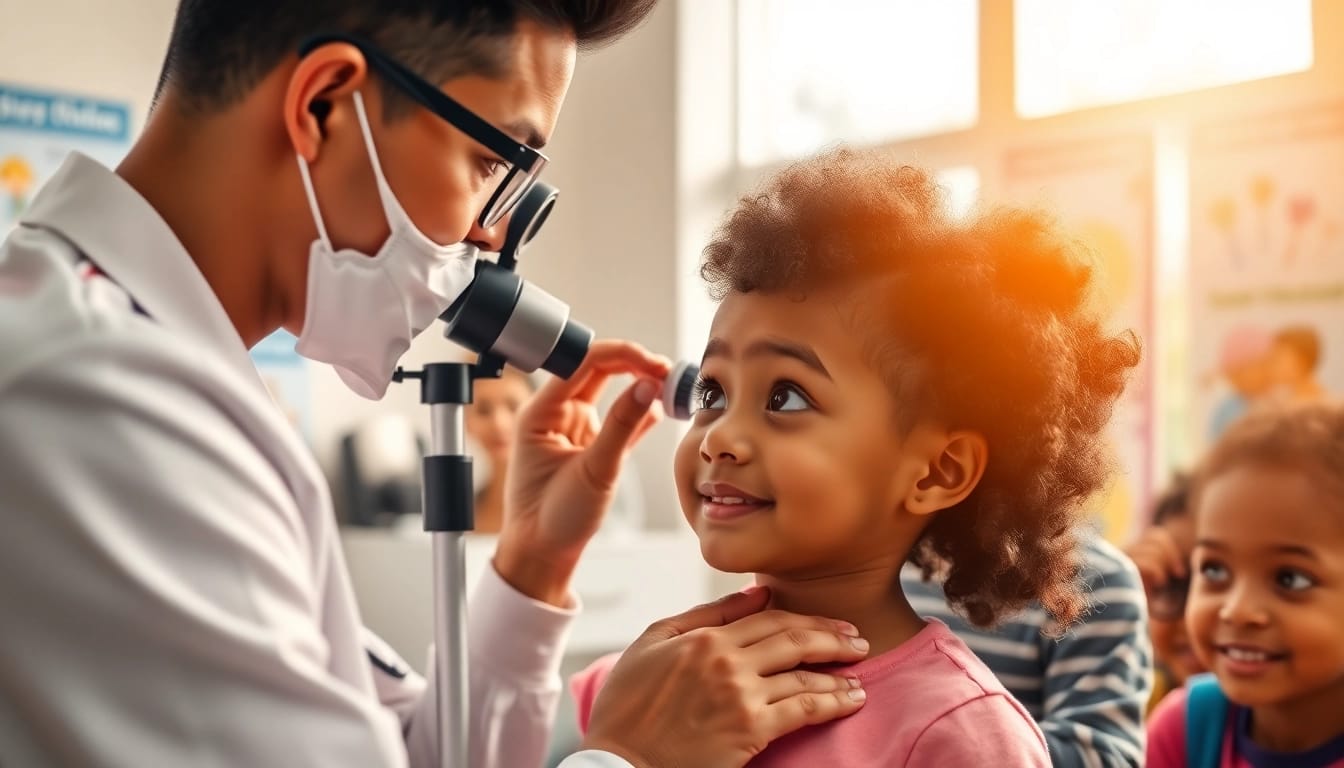
Eye exams for children typically include multiple stages to thoroughly assess visual health:
- Case History: Discussing family history, any noticeable behaviors, and previous vision exams.
- Visual Acuity Tests: Assessing clarity of vision through various methods, like using an eye chart.
- Eye Coordination Tests: Measuring the alignment and movement of the eyes.
- Retinal Examination: Checking for any potential issues inside the eye.
For young children who cannot read, alternative methods like pictures or symbols may be used to gauge visual acuity.
Different Types of Vision Tests for Children
Testing for various aspects of vision is crucial. Some of the tests specifically designed for children may include:
- Refraction Tests: Determine if corrective lenses are needed.
- Color Blindness Tests: Assess color perception.
- Contrast Sensitivity Tests: Measure the ability to distinguish objects from their background.
These specialized tests can reveal specific visual challenges that children may not be able to communicate verbally.
Encouraging Healthy Eye Habits
Establishing healthy habits early can significantly enhance children's vision and eye health. Parents play a crucial role in fostering these habits.
Nurturing Good Screen Time Practices
With digital devices becoming ubiquitous, monitoring screen time is crucial. Recommendations suggest:
- For children aged 2 to 5, limit screen time to one hour of high-quality programming daily.
- Encourage regular breaks from screens, using the 20-20-20 rule: every 20 minutes, look at something 20 feet away for at least 20 seconds.
Incorporating these practices can diminish digital eye strain and promote healthier eyes.
Importance of Outdoor Play for Vision
Outdoor activities are not only healthy for physical fitness but are also linked with better vision and reduced myopia risk. Engaging with nature allows:
- Relaxation of the eye muscles.
- Improved distance vision.
- Increased exposure to natural light, which may benefit eye health.
Encouraging daily outdoor play can contribute positively to children's overall vision health.
Nutrition and Its Impact on Eye Health
Nutrition has a profound impact on childhood development, including eye health. Essential nutrients for vision include:
- Vitamin A: Sources include carrots, sweet potatoes, and spinach.
- Omega-3 Fatty Acids: Found in fish, walnuts, and flaxseeds, these help with retinal health.
- Lutein and Zeaxanthin: Important antioxidants that can be found in leafy greens.
A balanced diet rich in these nutrients plays a critical role in supporting proper vision and preventing future problems.
Advanced Solutions for Vision Impairments
For children diagnosed with vision impairments, several corrective solutions can enhance or restore vision, enabling better daily functioning.
Corrective Lenses and Their Benefits
Corrective lenses are commonly prescribed for various vision disorders. They can:
- Improve visual clarity.
- Enhance learning capabilities.
- Boost confidence in social settings by improving interactions.
Parents should ensure children wear their prescribed lenses consistently to maximize these benefits.
Potential Surgical Options for Vision Problems
In some cases, surgical interventions may be necessary for correcting significant vision problems. Common procedures include:
- Refractive Surgery: Used to correct conditions like myopia or hyperopia.
- Strabismus Surgery: To correct eye alignment issues.
Consulting with an ophthalmologist is critical to determine if surgical options may be suitable based on individual circumstances.
Ongoing Care and Support for Children's Vision
Managing vision health is an ongoing process. Regular follow-ups with eye care professionals are essential to monitor any changes in vision and adjust treatments as needed. Parents can encourage children to be proactive about their eye health by:
- Reading regularly to maintain visual skills.
- Engaging in eye exercises as recommended by eye care providers.
- Staying informed about their vision status and potential symptoms.
Supporting ongoing care aligns with ongoing educational and developmental needs.
Resources and Support for Families
Access to resources and support systems can help parents manage their child's eye health effectively. These include:
Community Programs for Vision Health Awareness
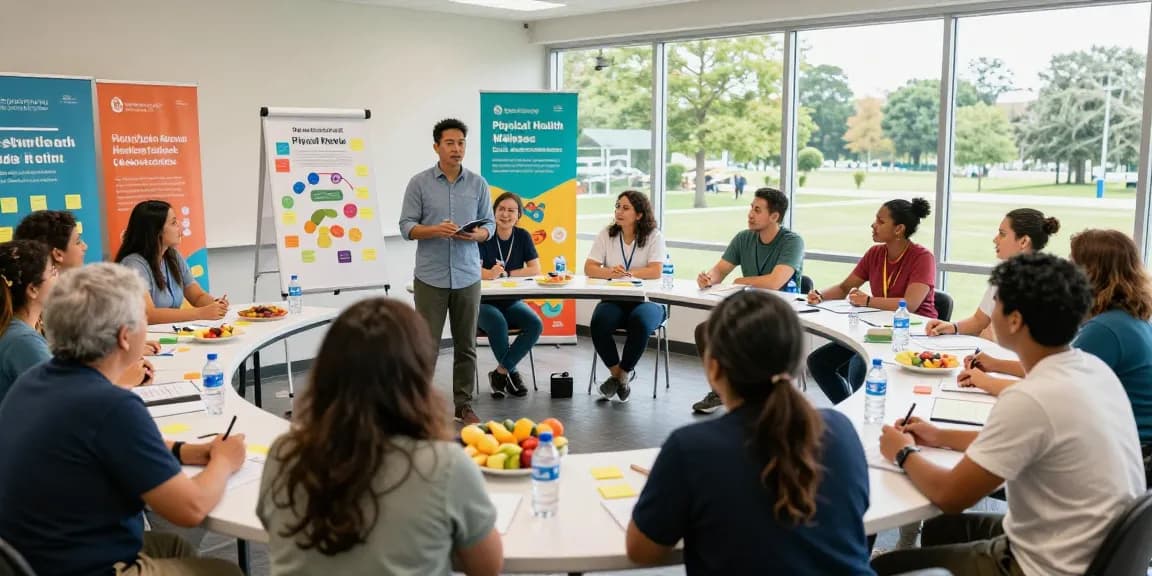
Various organizations and community programs focus on promoting vision health:
- Free eye screening events for children.
- Educational seminars focusing on the importance of regular eye exams.
- Resources for low-cost or free eye care options for underserved communities.
These initiatives can be invaluable in ensuring that every child has access to necessary eye care.
Educational Materials for Parents and Caregivers
It is essential for parents to stay informed about eye health issues affecting children. Educational materials can provide:
- Understanding of various vision problems.
- Guidance on recognizing signs of vision issues.
- Best practices for eye health maintenance.
Accessing such materials can empower parents to act proactively concerning their children's vision health.
Connecting with Specialist Support and Care
When a child's vision issues require professional intervention, connecting with specialists is critical. This includes:
- Pediatric ophthalmologists for specialized care.
- Optometrists for routine eye exams and vision assessments.
- Vision therapists for those who may benefit from rehabilitation exercises.
Establishing a network of support facilitates comprehensive care and ensures children receive the best assistance possible.