
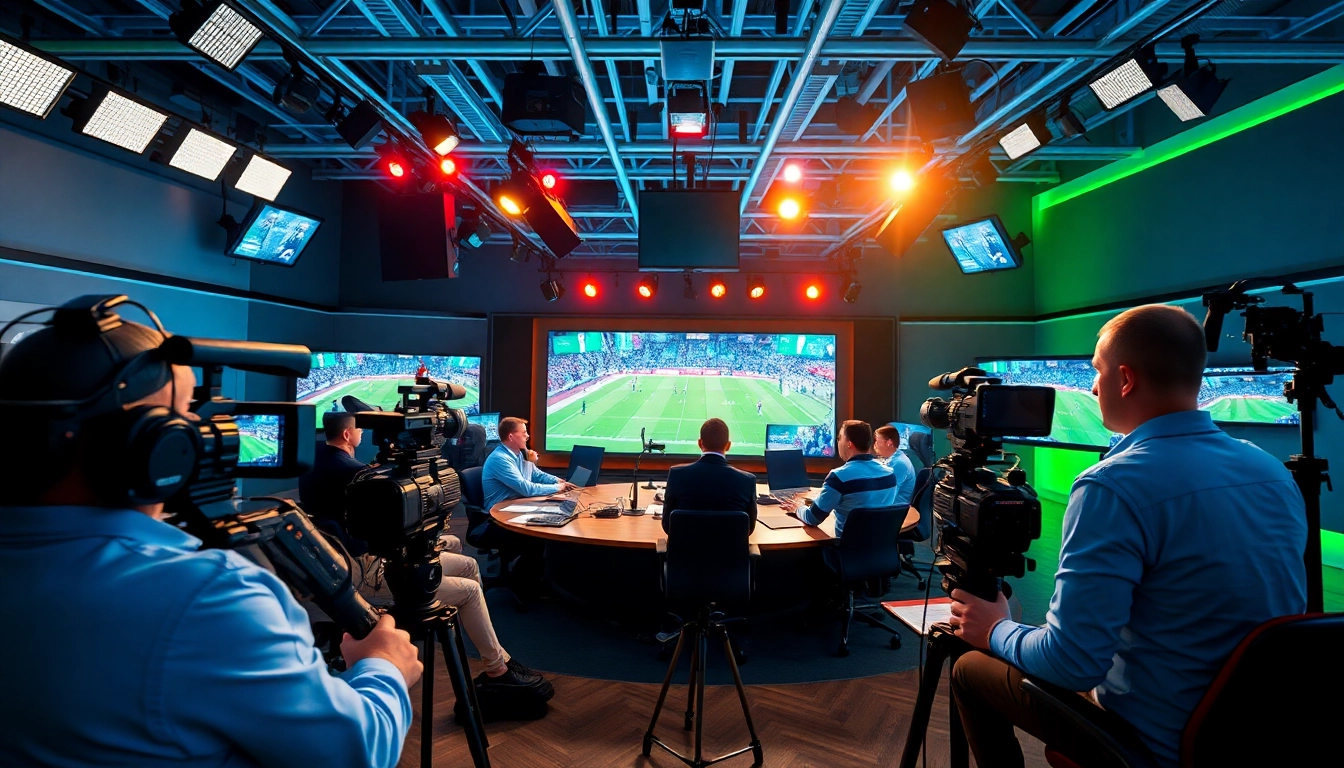
Introduction to Sports Broadcasting
Sports broadcasting serves as a critical bridge between athletes and fans, bringing the excitement of live sports events into homes worldwide. This dynamic field encompasses television, radio, and digital platforms, ensuring that every goal, touchdown, and home run is available for viewing. As a comprehensive domain, Sports broadcasting has evolved significantly over the decades, driven by technological advancements and changing consumer preferences. In this article, we delve deep into the definition, history, technology, and the various components that define sports broadcasting, along with its impending future trends and challenges.
Definition and Overview of Sports Broadcasting
At its core, sports broadcasting refers to the live transmission of sporting events through various media, including television, radio, and online platforms. This segment of the media industry provides viewers with real-time coverage of sporting events, analyses, and commentary that enhance the viewing experience. The goal is to make sports accessible, immediate, and engaging for fans around the world.
History and Evolution of Sports Broadcasting
The roots of sports broadcasting can be traced back to the early 20th century when radio became a popular communication medium. The first radio sports broadcast occurred in 1921, covering a boxing match between Jack Dempsey and Georges Carpentier. As the years progressed, sports broadcasting expanded with the advent of television in the 1950s. Major sports leagues began televising their games, leading to an exponential increase in viewer numbers and sports popularity.
By the 1980s and 1990s, cable television revolutionized sports broadcasting, allowing for dedicated sports channels and expanded coverage of various sports. The rise of the internet and digital streaming has further transformed the landscape by enabling on-demand access and live streaming services, catering to the needs of a younger, tech-savvy audience.
The Role of Technology in Sports Broadcasting
Technology is the backbone of modern sports broadcasting. Advances in broadcasting techniques, from high-definition (HD) to 4K resolution, have drastically improved the viewing experience. Innovations such as instant replay, slow motion, and aerial drone footage provide audiences with vivid and comprehensive views of the action occurring on the field.
Furthermore, augmented reality (AR) and virtual reality (VR) are emerging technologies making their mark. They offer immersive experiences where viewers can feel as if they are part of the event, changing the way fans interact with sports broadcasting.
Key Components of Sports Broadcasting
Essential Equipment for Sports Broadcasting
The effectiveness of sports broadcasting relies heavily on a variety of essential equipment. Key components include high-definition cameras, sound equipment, graphics systems, and satellite transmission technology. Cameras with high-speed capabilities allow broadcasters to capture every detail of fast-paced sports, while sound equipment ensures that commentary and stadium ambiance are delivered clearly and seamlessly.
Additionally, graphics systems play a critical role in enhancing storytelling during broadcasts, providing viewers with statistics, scores, and player profiles in real-time. Satellite technology facilitates global broadcasting, enabling viewers from various locations to tune into their favorite nSports events.
On-Air Talent and Their Importance
On-air talent encompasses commentators, analysts, reporters, and hosts who bring life to the sports broadcasts. Their role is pivotal, as they interpret the action, provide context, and engage the audience. Skilled presenters know how to convey excitement, context, and audience engagement through their commentary. The chemistry between on-air talent can significantly enhance the viewer's experience as well, making it critical for broadcasters to select individuals who work well together.
Role of Producers and Directors in Sports Broadcasting
Behind every successful sports broadcast is a team of producers and directors who orchestrate the entire production. Producers are responsible for planning content, selecting angles, and managing studio and field personnel. They create the narrative that the broadcast will follow, deciding on pacing and which moments to emphasize.
Directors, on the other hand, manage the visual aspects of the broadcast, determining camera angles, shot selections, and co-coordinating live reactions to match the producers' plans. Their coordination ensures that viewers receive a polished and engaging narrative full of critical highlights and commentary.
Different Types of Sports Broadcasting
Live Sports Coverage versus Recorded Sports
Live sports coverage captures the excitement of events as they unfold, while recorded sports broadcasts may present highlights, replays, or classic matches. Live broadcasts demand a well-planned execution, as there are no second chances to capture spontaneous moments. Conversely, recorded broadcasts offer the flexibility of editing, allowing producers to refine and enhance the viewing experience with replay highlights and commentary.
Local vs. National Sports Broadcasting
Local sports broadcasting focuses on covering specific regional teams and events, tailored to the interests of local audiences. These broadcasts often foster community engagement and allow fans to connect more deeply with their teams.
On the other hand, national broadcasts showcase larger events such as championships, providing wider coverage that appeals to a broader audience across the nation. The competition for viewers between both types drives innovations and improvements in how content is delivered.
Impact of Streaming Services on Sports Broadcasting
With the advent of streaming services, sports broadcasting has experienced a significant shift. Audiences increasingly prefer the flexibility of streaming over traditional cable broadcasts, prompting many leagues and networks to launch their streaming platforms. Streaming services provide real-time access to various sports, personalized viewer experiences, and advanced features such as multi-screen viewing and on-demand services, fundamentally changing how audiences consume sports content.
Challenges in the Sports Broadcasting Industry
Technical Challenges and Solutions
The sports broadcasting industry faces various technical challenges, such as maintaining quality during high-pressure live broadcasts, ensuring adequate bandwidth for streaming services, and troubleshooting equipment failures. Solutions include investing in robust broadcasting technology and reliable infrastructure, conducting regular equipment checks, and have backup systems and professionals on standby to manage any unforeseen technical difficulties.
Audience Engagement and Retention Strategies
Audience engagement represents a key challenge in sports broadcasting, as capturing and retaining viewer attention is increasingly competitive. Strategies include interactive features such as live polls, social media integration, and personalized content delivery. Broadcasters must continually innovate to create engaging experiences that keep audiences glued to their screens.
Legal and Ethical Issues in Sports Broadcasting
The sports broadcasting industry is fraught with legal and ethical considerations, including copyright, licensing agreements, and contractual disputes. Navigating these issues ensures compliance with industry standards and regulations while respecting the rights of players and teams. Broadcasters must remain vigilant about intellectual property rights, especially with the rise of digital content sharing.
Future Trends in Sports Broadcasting
The Rise of Virtual and Augmented Reality in Sports
The integration of virtual reality (VR) and augmented reality (AR) into sports broadcasting is poised to revolutionize how audiences experience sporting events. With these technologies, fans will have unprecedented access, allowing them to explore stadium environments or view highlights from different angles as if they were present in the stadium. Future broadcasts will likely capitalize on this immersive technology to create engaging and unforgettable experiences.
Data Analytics in Sports Broadcasting
Data analytics has become an invaluable tool within sports broadcasting, allowing broadcasters to present in-depth statistics, predictive analyses, and fan insights. Projects utilizing data can enhance storytelling and provide viewers with an engaging and informative experience that helps them understand the sports landscape better.
Implications of AI in Sports Broadcasting
Artificial intelligence (AI) is set to play a vital role in automating various aspects of sports broadcasting, including personalized content delivery, automated highlights production, and audience analysis. By harnessing the power of AI, broadcasters can streamline operations and enhance content quality, thereby keeping pace with the demands of modern audiences.
Frequently Asked Questions
What is sports broadcasting?
Sports broadcasting refers to the live coverage of sports events via television, radio, or digital platforms, aiming to bring the event to viewers.
What careers are available in sports broadcasting?
Careers vary from on-air talents, producers, directors, and technical crew. Specialized training or education in broadcasting can enhance your prospects.
How has technology impacted sports broadcasting?
Technology has transformed sports broadcasting through innovations like high-definition streaming, instant replays, and augmented reality, improving viewer experience.
What role do streaming services play in sports broadcasting?
Streaming services provide alternatives to traditional broadcasts, allowing more flexibility for viewers and integrating advanced features such as multi-screen experiences.
What are the legal issues in sports broadcasting?
Legal issues include copyright disputes, licensing agreements, and compliance with broadcast standards, which all affect how sports content is produced and distributed.