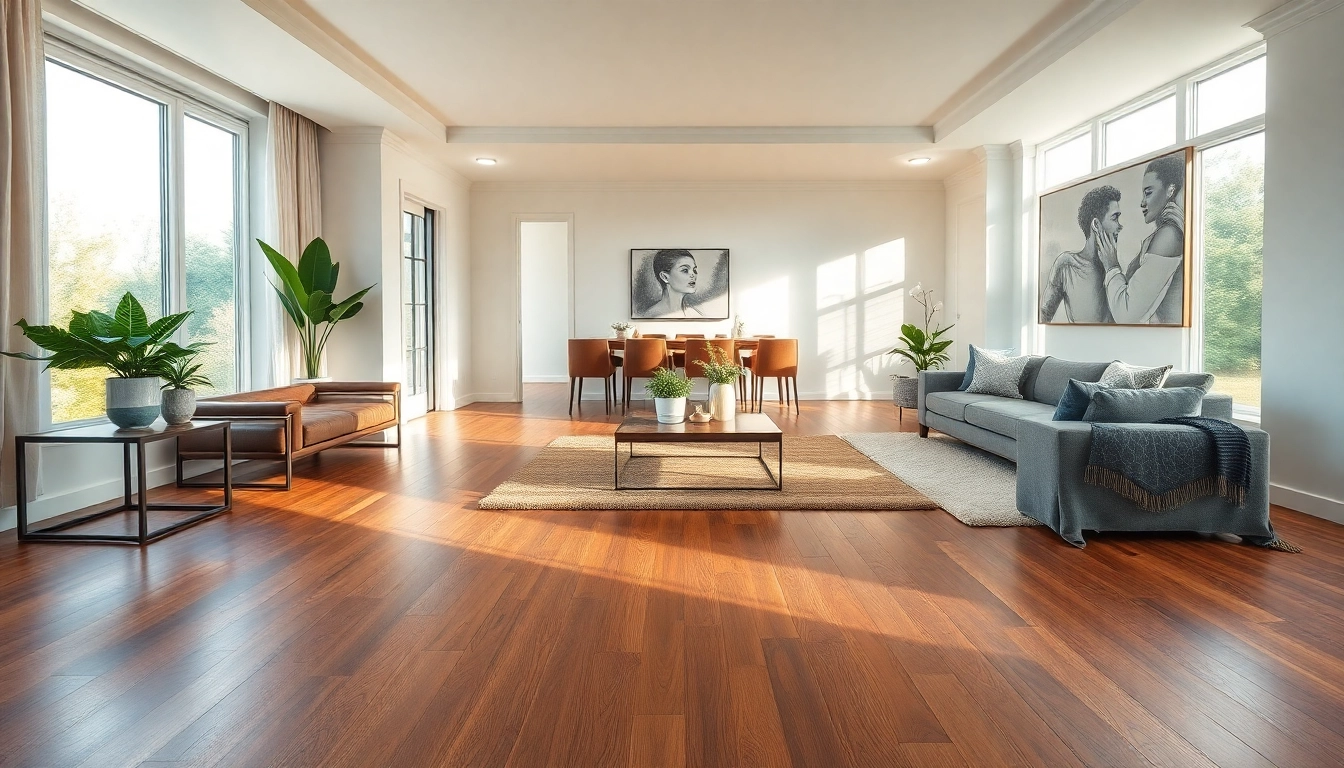
Understanding Vinyl Flooring Basics
What is Vinyl Flooring?
Vinyl flooring is a synthetic flooring material made primarily from polyvinyl chloride (PVC) and other additives. It has grown in popularity due to its versatility, durability, and relatively low cost compared to other flooring options. Available in a wide array of styles, colors, and textures, vinyl flooring can mimic the appearance of more expensive materials like hardwood, stone, or tile, making it an excellent choice for homeowners looking to elevate their spaces without breaking the bank.
Benefits of Choosing Vinyl Flooring
Choosing vinyl flooring comes with a myriad of benefits that appeal to various preferences and lifestyles:
- Affordability: Vinyl flooring is generally less expensive than hardwood or natural stone options, allowing homeowners to achieve a luxurious look on a budget.
- Durability: It is resistant to scratches, dents, and stains, making it an ideal option for high-traffic areas and households with pets or children.
- Water Resistance: Many vinyl flooring products offer water-resistant or even waterproof qualities, which enables their installation in bathrooms, kitchens, and basements without fear of water damage.
- Easy Maintenance: Cleaning vinyl flooring is a breeze; regular sweeping and mopping are usually sufficient to keep it looking fresh.
- Comfort and Sound Absorption: Vinyl flooring provides cushioning underfoot, making it comfortable to stand on for long periods. Additionally, it absorbs sound better than hard surfaces like tile or hardwood.
Types of Vinyl Flooring Explained
Vinyl flooring generally comes in three primary types, each designed for varying needs and preferences:
- Sheet Vinyl: This option comes in large, flexible sheets that can cover extensive areas without seams. Sheet vinyl is ideal for moisture-prone spaces because the lack of seams minimizes the risk of water infiltration.
- Vinyl Plank Flooring: Resembling hardwood planks, this type of vinyl flooring is popular for its aesthetic appeal and ease of installation. Planks usually feature a click-lock mechanism, allowing for a straightforward, glue-free installation process.
- Vinyl Tile Flooring: Mimicking the look of traditional tile, vinyl tiles come in square formats and can be arranged in various patterns. This type provides versatility in design options and is easy to replace if damage occurs.
Selecting the Right Vinyl Flooring for Your Home
Popular Styles of Vinyl Flooring
The style of vinyl flooring can significantly impact the overall look and feel of a room. Here are some popular styles to consider:
- Wood-Look Vinyl: This style mimics the grain and texture of natural wood, providing the aesthetic of hardwood with the benefits of vinyl's durability.
- Stone-Look Vinyl: Designed to replicate natural stone, this style brings an elegant touch to kitchens and bathrooms without the coldness or heaviness of actual stone.
- Colorful Patterns: For a bold statement, printed vinyl flooring with vibrant colors and patterns can transform spaces, particularly in children's rooms or creative areas.
- Textured Finishes: Some vinyl products feature a textured surface that mimics real wood grain or stone for a more realistic look and feel.
How to Measure Your Space for Vinyl Flooring
Accurately measuring your space is crucial for a successful vinyl flooring installation. Follow these steps to ensure a precise measurement:
- Gather Required Tools: You will need a measuring tape, a pencil, paper, and possibly a calculator to tally your results.
- Measure the Length and Width: For rectangular or square rooms, measure the length and width in feet, ensuring to measure walls and any recesses.
- Account for Irregular Shapes: If the room has irregular shapes or alcoves, measure each section separately, and then add the measurements together.
- Add for Waste: It is advisable to add 10% to your total square footage to cover any mistakes or waste from cutting the vinyl.
Color and Texture Considerations
The color and texture of vinyl flooring play a significant role in a room’s ambiance. Here are some considerations to keep in mind:
- Color Palette: Choose colors that complement your existing décor. Light hues can make a small space feel larger, while darker shades can add warmth and coziness.
- Texture: Selecting a textured vinyl can enhance the natural look of wood or stone, adding depth to the flooring. Consider your foot traffic and use areas when choosing texture levels.
- Trends and Personal Style: Stay informed about current design trends, but prioritize styles that resonate with your tastes and preferences.
Installation Process for Vinyl Flooring
DIY vs. Professional Installation
When it comes to installing vinyl flooring, homeowners often face the decision between DIY and hiring professionals. Here are some pros and cons of each:
- Pros: Cost savings, flexibility in scheduling, and personal satisfaction.
- Cons: Potential for installation mistakes, lack of specialized tools, and time-consuming effort.
- Pros: Expert guidance, guaranteed quality installation, and potential warranties.
- Cons: Increased expenses and less control over timelines.
Step-by-Step Installation Guide
If you choose to install the vinyl flooring yourself, follow this comprehensive guide:
- Prepare the Subfloor: Ensure that the subfloor is clean, dry, and free of debris. Make any necessary repairs to create a smooth surface.
- Acclimate Your Vinyl: Allow your vinyl flooring to acclimate in the room for at least 48 hours before installation.
- Lay the Underlayment: If your product requires underlayment, roll it out across the subfloor, ensuring to overlap seams for maximum comfort.
- Start Installing: For vinyl planks, begin in one corner and work your way across the room, clicking each plank into place as you go.
- Finish with Trimming: After laying the flooring, trim around edges, obstacles, and corners as needed for a clean finish.
Essential Tools for Installation
Equipping yourself with the right tools will facilitate a smooth installation process:
- Measuring tape
- Utility knife
- Straight edge or square
- Mallet
- Flooring adhesive (if required)
- Roller or scraper (for smoothing out bumps)
- Safety goggles and knee pads
Maintaining Your Vinyl Flooring
Cleaning Tips for Vinyl Flooring
Keeping your vinyl flooring clean not only enhances its appearance but also prolongs its lifespan. Use these tips for effective maintenance:
- Regularly sweep or vacuum to remove dirt and debris.
- Mop with a damp mop and a mild cleaner designed for vinyl floors.
- Avoid harsh chemicals and abrasive tools that can damage the flooring.
Protecting Your Vinyl Flooring from Damage
Preventing damage to vinyl flooring is key to maintaining its quality:
- Use furniture coasters to avoid indentations from heavy furniture.
- Place rugs or mats in high-traffic areas to absorb impact and reduce wear.
- Immediately wipe up spills to prevent staining or slip hazards.
When to Refinish or Replace
Eventually, some signs indicate that it might be time to refinish or replace your vinyl flooring:
- Deep scratches or gouges that can't be repaired.
- Stains that persist even after cleaning.
- A noticeable wear layer that has become thin or worn through.
- Significant issues with the underlayment or subfloor leading to instability.
Frequently Asked Questions about Vinyl Flooring
How long does vinyl flooring last?
With proper maintenance, vinyl flooring can last up to 20 years, especially high-quality options.
Can vinyl flooring be installed over existing floors?
Yes, vinyl flooring can be installed over most existing floors, as long as they are flat and smooth.
Is vinyl flooring water-resistant?
Many vinyl flooring options are water-resistant or waterproof, making them suitable for kitchens and bathrooms.
How do I clean vinyl flooring?
Regular sweeping and occasional mopping with a mild cleaner help maintain the look of vinyl flooring.
Can I install vinyl flooring myself?
While DIY installation is possible, hiring a professional ensures correct installation and optimal durability.