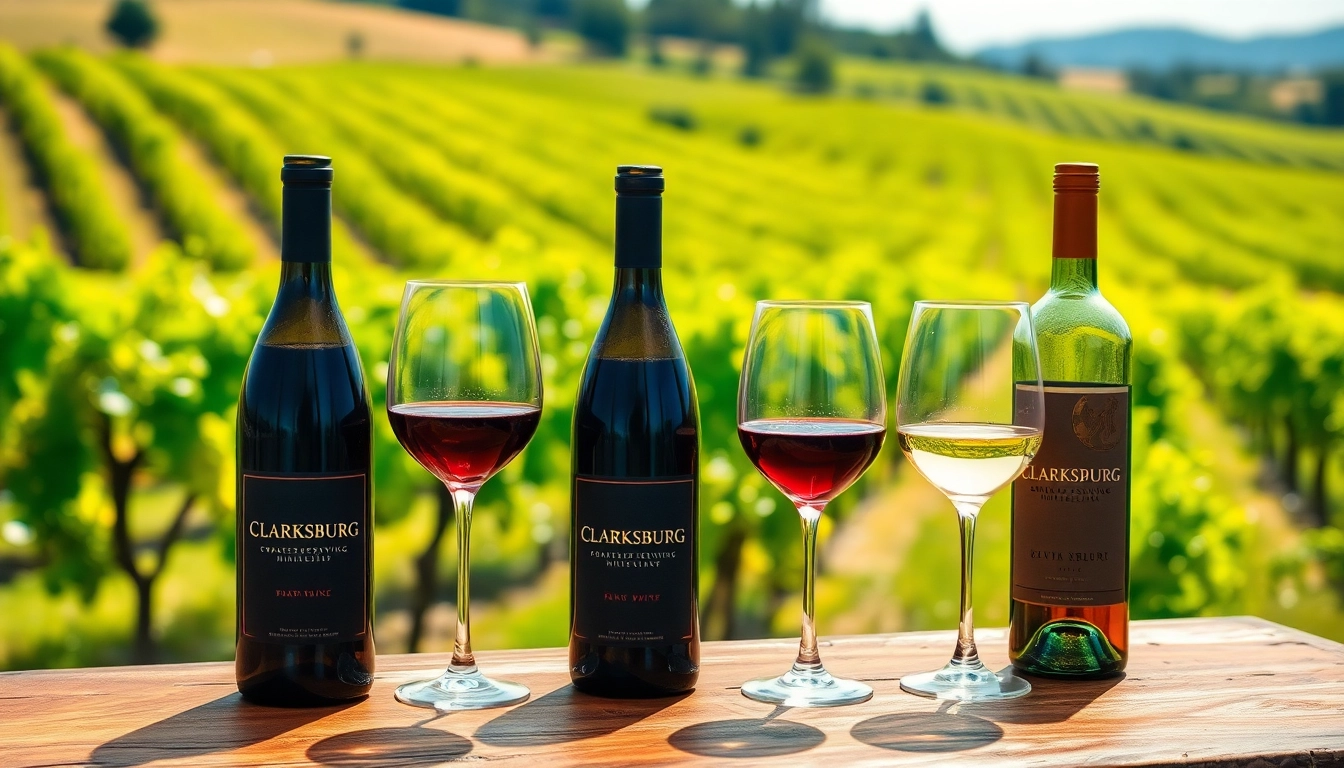
An Introduction to Clarksburg Wines
Clarksburg, a charming wine region situated in California's Sacramento Valley, is an unassuming treasure trove for wine enthusiasts and connoisseurs alike. Renowned for its high-quality Clarksburg wines, the area has been steadily gaining recognition for its varietals, unique terroir, and exceptional flavor profiles. This article delves into the origins, intricacies, and aromatic tales of Clarksburg wines, offering insight into what makes this region a must-explore for wine lovers.
Origins and History of Clarksburg Wines
The history of Clarksburg wine production dates back to the mid-1800s, when early settlers recognized the potential of the fertile land. Initially dominated by fruit and vegetable farming, the area began to transition to viticulture as demand for wine increased. By the 20th century, Clarksburg became associated with producing table wines, and the establishment of the Clarksburg AVA (American Viticultural Area) in 1986 marked a significant milestone for local vintners.
Today, Clarksburg thrives as a burgeoning wine community with dozens of wineries. The blend of tradition and innovation among local winemakers helps preserve the region's rich history while embracing modern techniques. The rise of Clarksburg wines has led to increased interest and tourism, putting this underrated gem on the map.
Key Characteristics of Clarksburg Wines
What sets Clarksburg wines apart from those in other California regions? Three primary characteristics define their uniqueness:
- Terroir: The region's distinctive climate, soil, and geography create a perfect environment for growing a variety of grapes.
- Winemaking Techniques: A balance of tradition and cutting-edge practices allows for diverse flavor profiles and quality enhancements.
- Varietal Expression: Wines showcase the best qualities of their varietals, reflecting the individuality of both the grape and the winemaker's intent.
Notable Varietals from the Region
Clarksburg is known for several varietals that thrive in its unique terroir:
- Chardonnay: Renowned for its crisp acidity and complex fruit notes, often exhibiting hints of oak.
- Viognier: This aromatic white offers floral notes and stone fruit flavors, appealing to those who enjoy a full-bodied wine.
- Cabernet Sauvignon: Known for its boldness, the Clarksburg Cabernet reveals rich black fruit flavors balanced by subtle herbaceous notes.
- Petit Sirah: Exhibiting deep color and robust flavors, Clarksburg's Petit Sirah is characterized by its intense fruit and spice.
Understanding the Terroir of Clarksburg
Climate and Geography Impact on Wines
Clarksburg's climate is marked by its Mediterranean characteristics, featuring warm days and cooler nights, ideal for grape maturation. The proximity to the Sacramento River moderates temperatures, lending a conducive environment for the vineyards. Additionally, the unique geography helps shield the vines from harsh weather, ensuring a consistent growing season.
Soil Composition and Its Influence
The soil in Clarksburg is diverse, composed primarily of alluvial deposits, sandy loam, and clay, which together contribute to the region's terroir. These soil types drain well while retaining moisture, allowing for vigorous root development and healthy vine growth. Different varietals thrive in specific soil compositions, enhancing their unique characteristics.
Vineyard Practices Enhancing Quality
Winemakers in Clarksburg adopt sustainable vineyard practices that prioritize the health of vines and the surrounding ecosystem. Techniques such as cover cropping, integrated pest management, and precise irrigation play a crucial role in preserving soil quality and promoting grape health. These practices ultimately yield higher-quality grapes, leading to superior wines.
Pairing Clarksburg Wines with Food
Best Dishes to Complement Clarksburg Whites
Clarksburg's white wines, particularly Chardonnay and Viognier, pair excellently with various dishes. Creamy pastas, grilled chicken with lemon butter sauce, and seafood risotto resonate with the aromatic fruit and acidity found in these wines. A well-paired dish elevates both the food and wine experience, creating a harmonious blend of flavor.
Pairing Suggestions for Clarksburg Reds
For those who prefer Clarksburg's robust reds, dishes like braised lamb shanks, grilled steaks, and rich mushroom risottos beautifully complement the wine's intensity. The tannins in Cabernet Sauvignon and Petit Sirah provide a counterbalance to the richness of these foods, enhancing both the dining experience and the wine's complexity.
Creating a Memorable Wine and Food Experience
To create an unforgettable pairing experience, consider not just the food and wine choices but also the overall ambiance. Table settings, music, and the company you keep can significantly impact the enjoyment. For special occasions, consider hosting a themed dinner that revolves around Clarksburg wines, allowing guests to taste each dish with its ideal wine pairing.
Exploring Tasting Techniques for Clarksburg Wines
How to Properly Taste Clarksburg Wines
To truly appreciate Clarksburg wines, employ a systematic tasting process. Begin by observing the wine's color and clarity in the glass, then give it a gentle swirl to release the aromas. Take a moment to inhale deeply, noting the various scents before sipping. Let the wine linger on your palate, allowing the flavors and finish to unfold.
Aroma Recognition: What to Look For
Aromas play a crucial role in the overall tasting experience. With Clarksburg wines, expect a range of scents from citrus and stone fruits in whites to dark fruits and earthy notes in reds. Practice recognizing specific aromas by smelling different fruits and spices. This enhances your ability to appreciate the intricate profiles of Clarksburg wines.
Understanding Wine Finishes and Textures
The finish, or aftertaste, of a wine provides important insight into its quality. A long, pleasant finish often indicates a well-crafted wine. Pay attention to the texture on your palate—whether it's smooth, velvety, or tannic. Understanding these aspects will deepen your appreciation for each glass of Clarksburg wine.
Hosting a Clarksburg Wine Tasting Event
Essential Elements for a Successful Tasting
To host an engaging wine tasting, begin by curating a selection of Clarksburg wines that showcase diverse varietals. Provide palate cleansers, such as bread or crackers, between tastings to refresh the palate. Additionally, consider offering a few light hors d'oeuvres that complement the wines while ensuring guests are relaxed and encouraged to explore the different flavors.
Inviting the Right Guests
Invite a mix of wine enthusiasts and newcomers to create an engaging atmosphere. Encourage open dialogue and exchange of opinions during the tasting. To enhance learning, consider including a knowledgeable friend or winemaker to discuss the wines’ profiles, history, and characteristics as they are enjoyed.
Creating a Memorable Atmosphere
The setting for your tasting event plays a crucial role in overall enjoyment. Choose a cozy space with good lighting and comfortable seating. Use simple decorations inspired by the wines or local geography to enhance the ambiance. Creating a narrative around the wines being served adds depth to the experience, making it both enjoyable and educational.
FAQs About Clarksburg Wines
What is special about Clarksburg wines?
Clarksburg wines are known for their high quality, diverse varietals, and unique terroir influenced by the region's climate and soil composition.
What varietals are dominant in Clarksburg?
Chardonnay, Viognier, Cabernet Sauvignon, and Petit Sirah are among the notable varietals produced in Clarksburg.
How should I taste Clarksburg wines?
Start by observing the wine's color, then swirl and sniff for aromas. Take a sip, allowing the wine to linger on your palate to appreciate its flavors.
What foods pair well with Clarksburg wines?
Clarksburg whites pair nicely with seafood and creamy dishes, while reds complement grilled meats and rich, hearty meals.
How can I host a successful wine tasting event?
Curate a selection of diverse Clarksburg wines, provide palate cleansers, and create an inviting atmosphere for your guests.