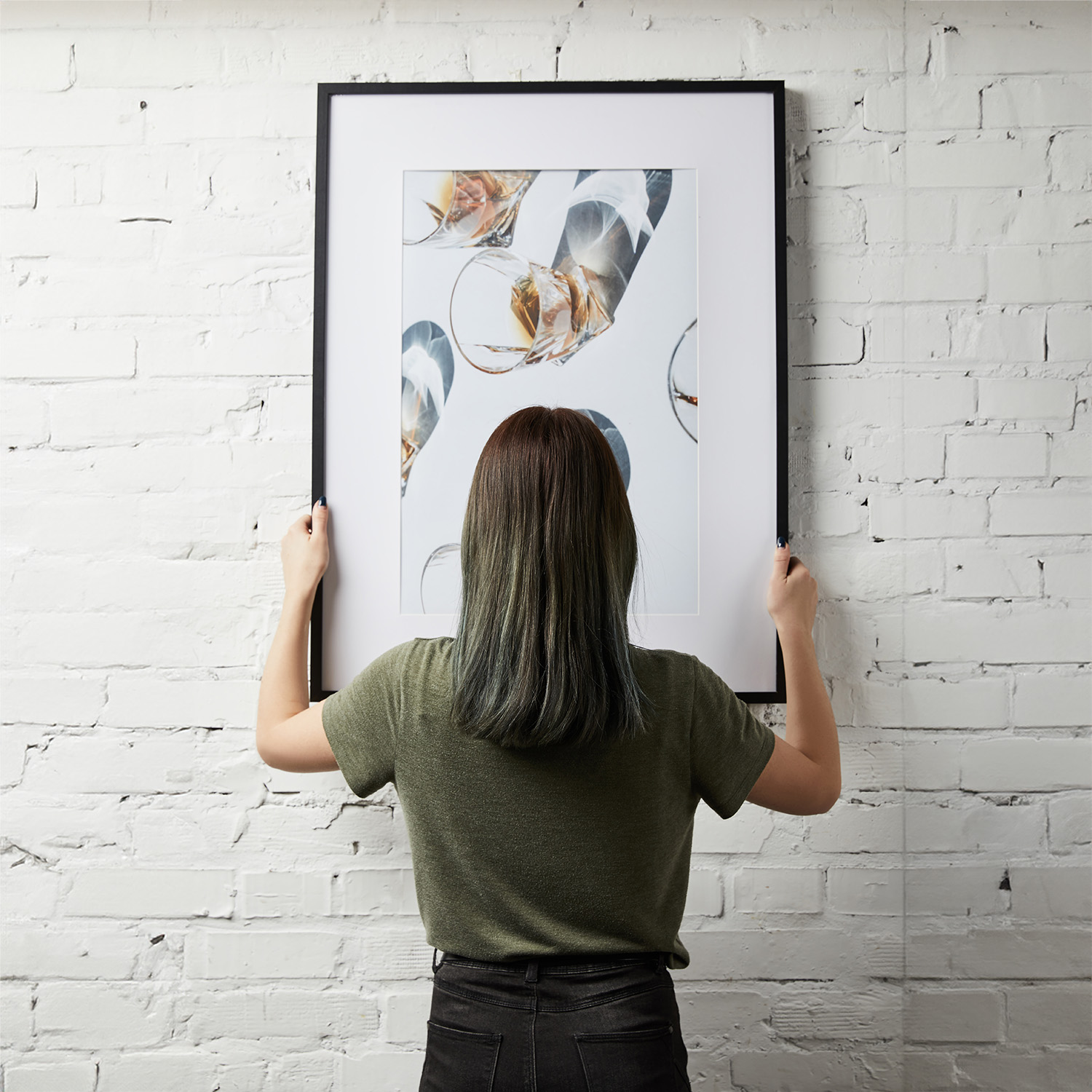
Understanding the Appeal of 3D Wall Art
3D wall art has captured the imagination of designers and homeowners alike, offering a unique way to transform plain surfaces into dynamic visual experiences. This vibrant form of art brings depth and texture to spaces, making it an attractive option for those looking to elevate their interior design. From intricate sculptures to striking paintings, incorporating 3d wall art into your home can infuse personality and sophistication into any room.
The Visual Impact of 3D Art
The most immediate effect of 3D wall art is its stunning visual impact. Unlike traditional flat artwork, 3D art changes the way light interacts with the surface, casting shadows and creating a sense of movement and life. This interactivity engages viewers, drawing them closer to examine the details and textures. Whether it's a large abstract piece dominating a living room wall or small decorative items in an entryway, the three-dimensionality of art can dramatically enhance a space.
Benefits of Incorporating 3D Art in Home Design
Incorporating 3D wall art within home design offers numerous benefits:
- Visual Interest: 3D art captures attention and provides a conversation starter.
- Personal Expression: Different styles allow homeowners to express their unique tastes and interests.
- Enhances Space Perception: Can make rooms feel more expansive or intimate based on placement and design.
- Versatility: Available in various materials and styles to fit any décor theme.
Types of Materials Used in 3D Wall Art
The variety of materials used in 3D wall art is as diverse as the art itself. Here are some of the most common:
- Wood: Often used for creating rustic or natural vibes; can be carved or layered.
- Metal: Provides a sleek, modern look; often found in geometric designs.
- Fabric: Adds texture and warmth; can be combined with paint or other materials.
- Plastic and Resin: Lightweight options that allow for intricate shapes and bright colors.
- Mixed Media: Combinations of various materials to create unique and vibrant pieces.
Choosing the Right 3D Wall Art for Your Space
Selecting the perfect 3D wall art for your home involves understanding the characteristics of your space and personal preferences. The following sections help process your choices effectively.
Assessing Your Room’s Aesthetic
Before choosing 3D wall art, evaluate the existing aesthetic of your room. Are the colors bold and vibrant, or soft and muted? The artwork should complement your room’s color palette and style. For instance, a sleek, modern space may benefit from metallic abstracts, while a more traditional room may be enhanced by wooden, intricately carved pieces.
Choosing Size and Scale for Maximum Effect
The size and scale of your 3D wall art play crucial roles in its effectiveness. Oversized pieces can serve as focal points, while smaller pieces are best displayed in clusters or galleries. Consider the proportions of the wall and the overall room to create a balanced look. As a rule of thumb, an art piece should occupy about two-thirds of the wall space to achieve harmony.
Color Coordination for a Harmonious Look
Color coordination is essential when integrating new art into your home. Analyze your current decor, selecting colors that either harmonize with it or provide attractive contrast. 3D wall art can also be an excellent opportunity to introduce a new color palette into a room, thus refreshing the overall ambiance.
Creative Placement of 3D Wall Art
Once you've selected your art pieces, the next step is placement. Thoughtful positioning can enhance the artwork's impact and draw the eye to key areas in your space.
Highlighting Key Areas in Your Home
Use 3D wall art to highlight focal areas like above a sofa, fireplace, or bed. These high-visibility spots can significantly impact the aesthetic of the room. For best results, consider the height at which the artwork will be hung. Generally, it should be at eye level to maximize engagement and visual appeal.
Gallery Wall Inspirations
A gallery wall allows homeowners to curate a collection of artworks and create an impactful display. Mixing and matching different styles, materials, and textures can add depth and character to the wall. A successful gallery wall balances various elements while maintaining a coherent theme or color scheme.
Utilizing Spaces Like Hallways and Entryways
Don’t overlook smaller spaces such as hallways and entryways for showcasing 3D wall art. These often-underutilized areas provide opportunities to create visual surprises and intrigue. A long, narrow artwork can lead the eye down a hallway, while a statement piece in an entryway sets the tone as guests enter your home.
DIY 3D Wall Art Projects
If you're feeling creative, undertaking DIY projects can be incredibly rewarding and allow for personal expression. Here are some suggestions for creating your own 3D wall art.
Simple Techniques for Beginner Artists
Starting with simple techniques can boost your confidence as an artist. Use materials like cardboard or paper to create layered designs, cutting out shapes and stacking them to form a three-dimensional look. This approach is not only easy but also budget-friendly.
Transforming Everyday Items into 3D Art
Consider repurposing items you already own, such as old picture frames, fabric scraps, or even toys, into 3D art. This inventive recycling not only helps reduce waste but also imbues your space with personal history and creativity.
Step-by-Step Guide to Creating Your Own Artwork
Here’s a simple guide to creating a basic 3D wall art piece:
- Choose a base: Select a sturdy base like a canvas or a piece of wood.
- Design your layout: Sketch your design on paper before applying it to the base.
- Gather materials: Collect items such as cardboard, fabric, or small trinkets.
- Assemble: Use glue or appropriate adhesives to attach your pieces to the base.
- Finish: Add paint or a protective sealant to complete your artwork.
Caring for and Maintaining 3D Wall Art
To ensure that your 3D wall art remains stunning and intact, proper care and maintenance are essential. Here are some strategies.
Cleaning Techniques for Different Materials
Different materials require distinct cleaning methods. For wood, use a dry microfiber cloth to remove dust. Metal may benefit from a gentle polish to maintain its shine, while fabric pieces can be vacuumed using an upholstery attachment. Always consult care instructions specific to your artwork's material for best results.
Protecting Your Artwork from Environmental Damage
To guard against environmental damage, consider your location's humidity and light exposure. Placing 3D wall art away from direct sunlight can prevent fading and damage over time. Additionally, using air purifiers can help reduce dust accumulation on surfaces.
Updating or Refreshing Your 3D Art Display
Updating your 3D wall art periodically can refresh your interior design and keep your space feeling new. Rotate pieces between rooms or change the arrangement of your gallery wall for an unexpected transformation without incurring significant expenses.
FAQs About 3D Wall Art
What is 3D wall art made from?
3D wall art can be made from various materials, including wood, metal, fabric, and plastic, each offering unique textures and finishes.
Where should I display 3D wall art?
3D wall art works well in living rooms, bedrooms, and entryways, adding depth and interest to otherwise flat surfaces.
How do I care for my 3D wall art?
Maintaining 3D wall art involves dusting regularly and using appropriate cleaning methods based on the material to prevent damage.
Can I make my own 3D wall art?
Yes! Many DIY projects using cardboard, wood, or fabric allow you to create personalized 3D wall art to suit your style.
What sizes are available for 3D wall art?
3D wall art comes in various sizes, from small pieces perfect for tabletops to large installations that become focal points on walls.