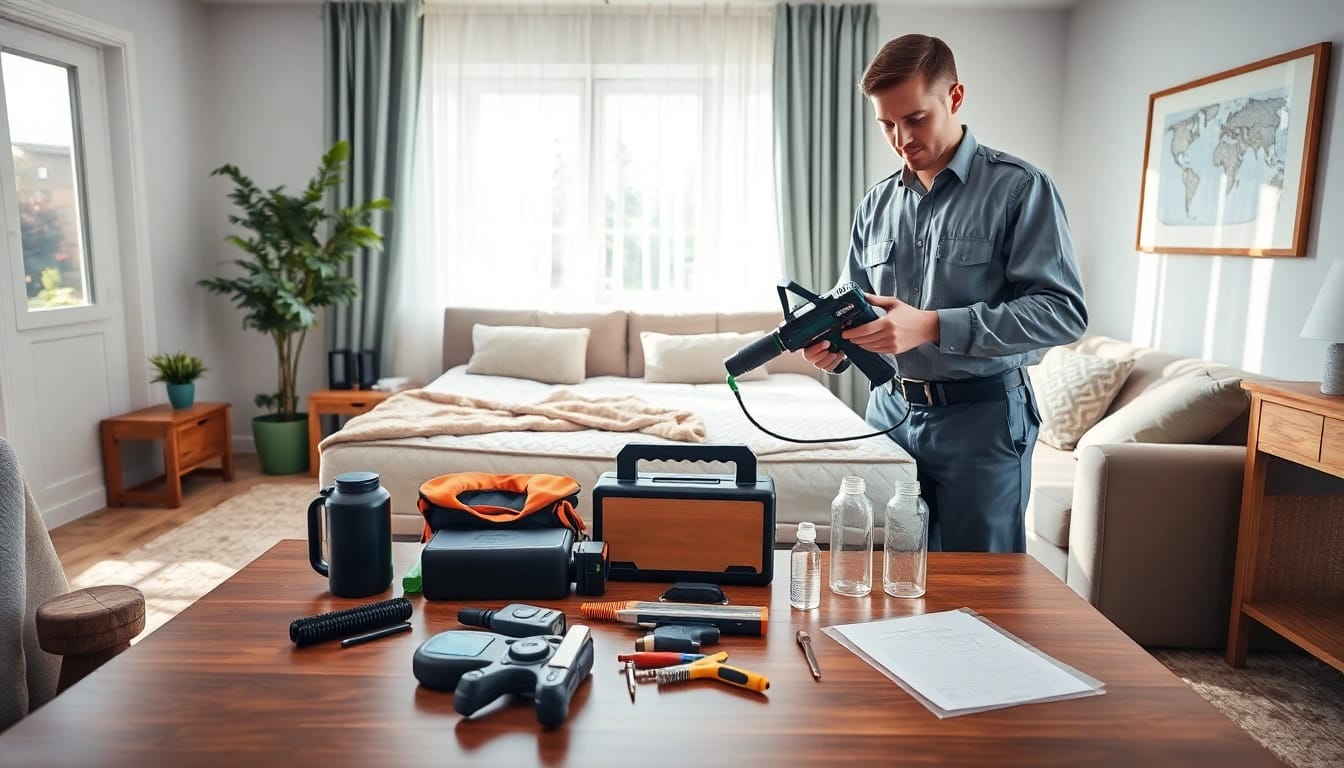
Understanding Bed Bugs: Identification and Habits
What Are Bed Bugs?
Bed bugs, scientifically known as Cimex lectularius, are small, wingless insects that feed on the blood of humans and animals. Measuring only about 4-5 mm in length, these pests are often reddish-brown and can be mistaken for apple seeds. Bed bugs are nocturnal creatures, preferring to remain hidden during the day in tight spaces near their hosts, making them particularly challenging to eradicate once they invade a living space.
Common Habitats and Where to Find Them
Hiding in cracks and crevices, bed bugs are notorious for taking refuge in places such as:
- Mattresses and box springs
- Bed frames and headboards
- Couches and furniture
- Baseboards and wall sockets
- Behind picture frames and in electrical outlets
Given their proclivity for human environments, bed bugs can find their way into hotels, public transport, and homes, often hitching a ride on personal belongings. Their resilience allows them to survive without feeding for several months, complicating eradication efforts.
Signs of Infestation and How to Recognize Them
Detecting a bed bug infestation early is crucial for effective treatment. Common signs include:
- Blood stains on sheets or mattress from crushed bugs
- Dark spots (excrement) on linens
- Molted exoskeletons
- Visible live bugs in bedding or furniture
- Sweet, musty odor emitted by pheromones
If you suspect a bed bug infestation, it’s essential to act quickly and consider professional help. For further guidance, you can refer to https://affordablebedbugexterminators.com.
Preparing for Bed Bug Treatment
Essential Steps Before Exterminator Arrives
Preparation is key to successfully eliminating bed bugs. Before the exterminator arrives, consider the following steps:
- Remove all bedding and wash them in hot water, then dry on high heat.
- Declutter the affected areas to allow easy access for treatment.
- Seal any cracks in walls, floors, and furniture to limit the bugs' hiding spots.
- Inform the exterminator about your cleaning efforts and any findings regarding the infestation.
Creating a Treatment-Friendly Environment
Creating a conducive environment for pest control can significantly enhance treatment effectiveness. Consider these recommendations:
- Move furniture away from walls to expose hiding spots.
- Vacuum floors, carpets, and furniture thoroughly to eliminate visible bugs.
- Dispose of vacuum bags immediately outside the home to prevent reinfestation.
Common Mistakes to Avoid During Preparation
Proper preparation matters, yet many homeowners make crucial mistakes that can undermine extermination efforts. Avoid the following:
- Skipping laundry and not washing infested bedding or clothing.
- Neglecting to communicate previous pest control treatments.
- Moving furniture indiscriminately, which could spread the infestation.
Professional Bed Bug Extermination Techniques
Overview of Treatment Options
Professional exterminators offer several treatment methods tailored to the nature of the infestation and the residence's structure. These methods can include:
- Heat treatments that raise the temperature of affected areas to lethal levels.
- Chemical treatments that utilize insecticides specifically designed for bed bugs.
- Steam treatments that can penetrate mattresses and upholstery.
Benefits of Hiring Professional Services
There are notable advantages to seeking out professional pest control services, such as:
- Access to treatments that may not be available for home use.
- Expert knowledge on bed bug habits and infestation indicators.
- Guarantees of service, providing peace of mind and minimizing the risk of reinfestation.
Understanding the Extermination Process
The extermination process usually includes the following steps:
- Inspection: A thorough evaluation of the premises to locate bed bugs.
- Treatment: Application of chosen methods, based on the severity of infestation.
- Follow-up: Scheduled visits to ensure the infestation has been fully addressed and monitor for any return.
DIY Approaches to Bed Bug Control
Home Remedies: Efficacy and Limitations
Many turn to home remedies for bed bug control, including diatomaceous earth, essential oils, and baking soda. While some methods show minor effectiveness in killing bugs on contact, they often fail to treat the underlying infestation. Moreover, improper use can exacerbate the problem or lead to additional complications.
When to Consider DIY Solutions?
DIY solutions may be considered when:
- There are signs of a very light infestation.
- You want to complement professional treatment with preventative measures.
However, it’s essential to recognize the limitations of DIY methods and understand when professional intervention is necessary.
Potential Risks of Inadequate Treatment
Improper or incomplete treatments can lead to:
- Escalation of the infestation, leading to a larger, more challenging problem.
- Financial resources spent with little to no result, ultimately necessitating professional help.
Understanding the risks underscores the importance of thorough, effective treatment.
Post-Treatment Steps and Prevention
Best Practices After Extermination
Once treatment is completed, adopt these best practices for maintaining a bed bug-free home:
- Keep up with regular inspections, especially if you’ve traveled recently.
- Continue to monitor for any signs of resurgence, taking immediate action if necessary.
- Avoid bringing secondhand items from unknown sources into your home.
Preventive Measures to Avoid Reinfestation
Preventing reinfestation requires vigilance:
- Utilize mattress and box spring encasements to trap any bugs within.
- Seal cracks in walls, baseboards, and personal belongings.
- Educate household members about bed bug awareness, ensuring everyone knows the signs.
Monitoring and Maintaining a Bed Bug-Free Home
Ongoing monitoring is crucial to maintain control. In addition to regular visual checks, consider using bed bug monitors for early detection. Maintaining general cleanliness and reducing clutter can aid in keeping your home free from these pests.