Understanding the Basics of Custom Cabinet
What is a custom cabinet?
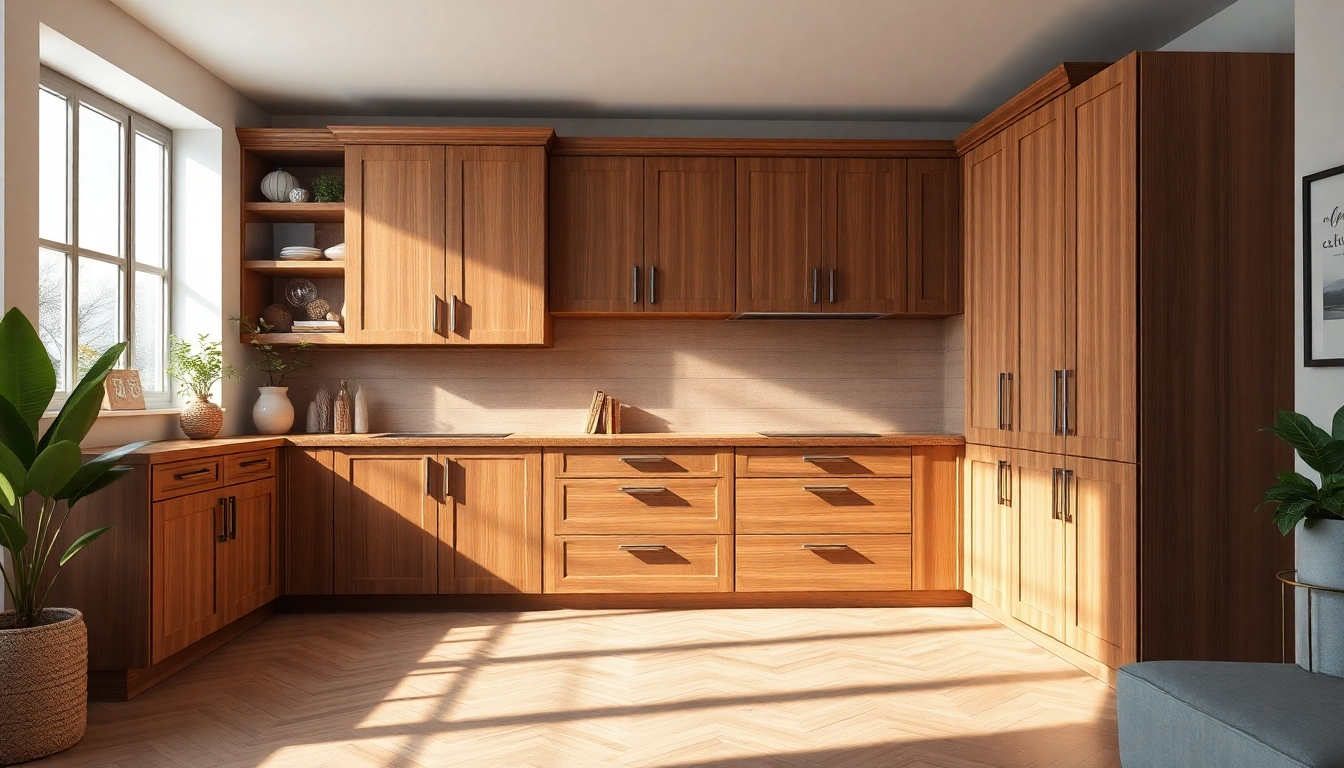
A custom cabinet is a tailored storage solution designed specifically to meet your functional and aesthetic requirements. Unlike stock cabinets, which are mass-produced in standard sizes and finishes, custom cabinets are crafted to fit your unique space, style, and needs. This means that whether you are looking to optimize a small kitchen, create a functional workspace, or design an elegant entertainment center, a custom cabinet offers the flexibility and personalization that off-the-shelf options simply cannot match.
Benefits of choosing a custom cabinet
Choosing a custom cabinet comes with numerous benefits that enhance not just the functionality of your space but also its aesthetic appeal. Here are some key advantages:
- Perfect Fit: Custom cabinets are designed specifically for your space, ensuring that every inch is utilized efficiently.
- Personalized Design: You can customize the look, materials, and finishes to match your personal style and home décor.
- Enhanced Functionality: Custom cabinets often include specialized features like pull-out shelves, built-in organizers, and hidden compartments.
- Quality Craftsmanship: They are usually made from high-quality materials, ensuring durability and longevity.
- Increased Value: Investing in custom cabinets can increase the resale value of your home.
Key materials used in custom cabinet design
The choice of materials for your custom cabinet significantly impacts both its look and functionality. Common materials include:
- Hardwoods: Oak, maple, and cherry are popular for their durability and aesthetic appeal.
- Engineered Woods: Plywood and MDF are often used for their versatility and smooth finishes.
- Finishes: These can range from stains to lacquers, offering various aesthetics.
- Metal and Glass: These are increasingly seen in modern designs, adding sophistication and lightness.
Planning Your Custom Cabinet Project
Assessing your space for a custom cabinet
Before diving into the design process, it's crucial to assess the space where the custom cabinet will reside. Measure your area accurately—consider ceiling height, wall dimensions, and any obstacles such as windows or electrical outlets. Understand the flow of the space; the cabinet should complement existing furniture and not obstruct movement.
Budget considerations for custom cabinet
Setting a budget early in the planning phase will help manage expectations regarding materials, complexity of the design, and craftsmanship. Costs can vary widely based on materials used, design complexity, and custom features. Here's a breakdown to assist in planning:
- Low-End: Basic designs with standard materials.
- Mid-Range: Higher quality materials with some personalized features.
- High-End: Premium materials, intricate designs, and bespoke features.
Finding inspiration for your custom cabinet
Inspiration can be drawn from various sources, including design magazines, interior design websites, and even social media platforms like Pinterest and Instagram. Visiting showrooms and checking out homes during open houses can also provide insights into current trends and styles. Consider compiling a mood board to visualize your style preferences and functional needs.
Designing the Aesthetics of Custom Cabinet
Choosing styles for your custom cabinet
When designing your custom cabinet, selecting a style that complements your home is essential. Here are some popular styles to consider:
- Traditional: Features classic elements such as raised panels and crown molding.
- Modern: Emphasizes clean lines, minimalistic design, and often incorporates sleek materials like glass and metal.
- Rustic: Utilizes natural wood finishes and distressed textures for a cozy feel.
- Transitional: Blends traditional and modern elements, creating a balanced look.
Popular finishes and colors for custom cabinet
The finish and color of your custom cabinet play a pivotal role in its overall appearance. Here are some popular trends:
- White and Off-White: These timeless colors create a clean and airy feel.
- Natural Wood Finishes: Showcases the beauty of the wood grain, adding warmth to the space.
- Bold and Dark Colors: Add depth and drama, often used in modern designs.
- Textured Finishes: Matte and satin options provide a unique tactile experience.
Incorporating technology in custom cabinet
As smart home technology continues to evolve, integrating tech into your custom cabinet can enhance functionality. Consider adding:
- Charging Stations: Built-in USB outlets for charging devices conveniently.
- Smart Lighting: LED lighting that can be controlled via apps to set the mood.
- Integrated Speakers: For a seamless audio experience in living areas or kitchens.
Enhancing Functionality with Custom Cabinet
Optimizing storage solutions in custom cabinet
Functional storage solutions are paramount in custom cabinets. Here are some options to maximize storage:
- Pull-Out Shelves: Easy access to items stored at the back.
- Corner Cabinets: Utilize often-neglected corners with lazy Susans or pull-out racks.
- Drawer Dividers: Keep utensils and tools organized.
- Built-In Organizers: Such as spice racks, wine racks, and appliance garages to keep clutter at bay.
Lighting options for your custom cabinet
Good lighting enhances the functionality and aesthetics of your cabinets. Consider these options:
- Under-Cabinet Lighting: Illuminates countertops, making tasks easier.
- Cabinet Spotlighting: Highlights decorative items within glass-front cabinets.
- Sensors: Motion-activated lights to add convenience.
Custom cabinet features to consider
Beyond basic functions, several innovative features can enhance your custom cabinet experience:
- Soft-Close Hinges and Drawers: For a quieter and smoother experience.
- Glass Doors: Allow the display of decorative items while keeping dust at bay.
- Integrated Cutting Boards: Create multi-functional spaces within your kitchen cabinets.
Maintenance and Longevity of Custom Cabinet
Cleaning and caring for your custom cabinet
Proper maintenance will prolong the life of your custom cabinet. Regularly clean surfaces with a soft cloth and gentle cleaner to avoid damaging finishes. Avoid abrasive cleaners or scrubbing pads that can scratch the wood or finish.
Signs that your custom cabinet needs repair
Monitoring your cabinets for signs of wear and tear can save you from costly repairs later. Look out for:
- Warping or bowing doors
- Cracks in the wood
- Difficulties with opening and closing
- Signs of moisture or pest damage
Tips for extending the life of your custom cabinet
To extend the longevity of your custom cabinet, consider the following tips:
- Keep stored items well-organized to prevent overloading.
- Perform regular inspections to address issues promptly.
- Maintain humidity levels in your home to prevent wood degradation.
- Use coasters and mats to protect surfaces from spills and heat.
FAQs
1. How long does it take to build a custom cabinet?
The timeline can vary based on design complexity and materials used; generally, it takes 4 to 8 weeks from design approval to installation.
2. Are custom cabinets more expensive than stock cabinets?
Yes, custom cabinets tend to be more expensive due to personalized design, materials, and craftsmanship. However, they offer greater durability and value.
3. Can I choose the finish for my custom cabinet?
Absolutely! With custom cabinets, you can select finishes that match your desired aesthetic and complement your home décor.
4. What styles are available for custom cabinets?
Styles range from traditional and modern to rustic and transitional, allowing for personalization to fit your taste and home style.
5. How do I maintain my custom cabinets?
Regular cleaning with a soft cloth, avoiding harsh chemicals, and keeping humidity levels consistent will help maintain their condition.