Understanding Off-Road Motorcycles
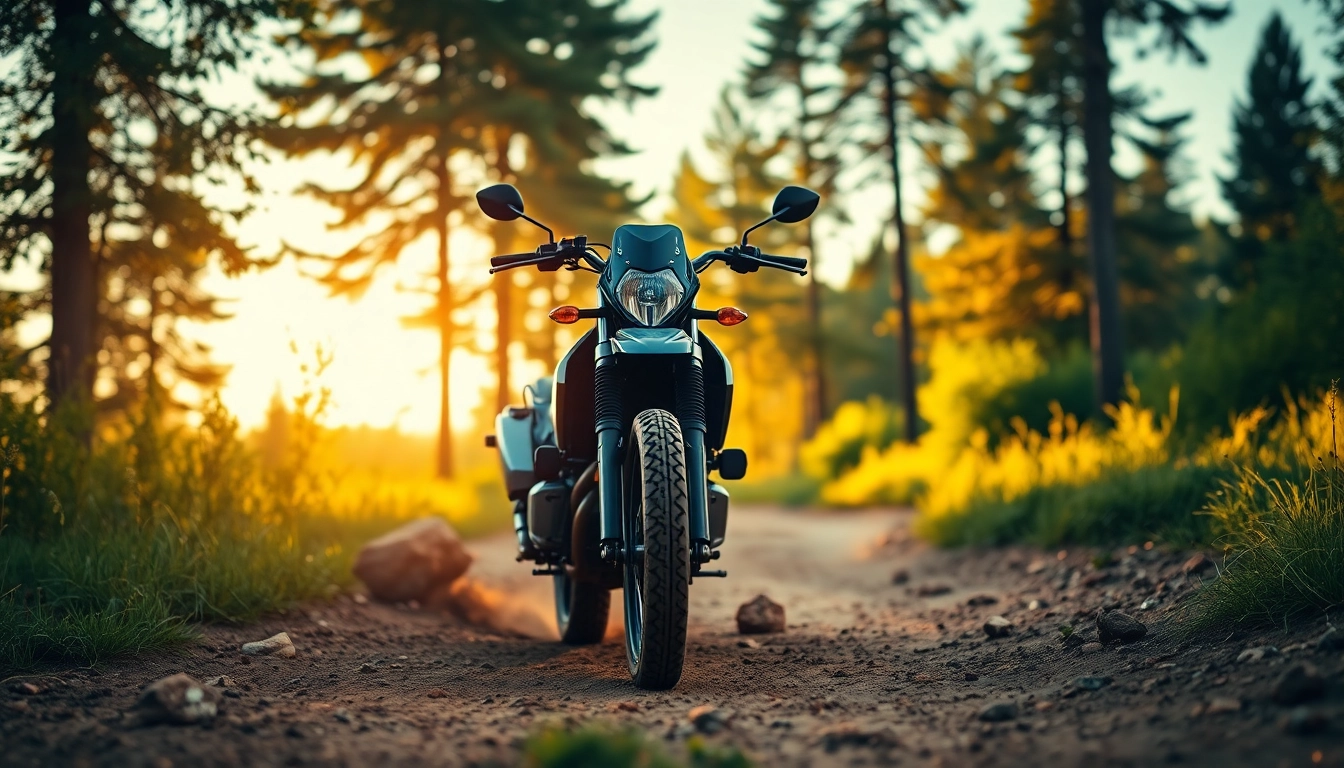
Venturing off the beaten path on a motorcycle is a thrilling experience that many enthusiasts cherish. The allure lies not just in the destination, but in the journey across rugged terrains where adventure beckons at every turn. Off-road motorcycles are purpose-built machines designed to tackle challenging landscapes, and understanding their nuances is essential for anyone looking to dive into this exciting world. For further insights into the latest trends and news in the realm of technology and lifestyle, visit https://relevance.com.ua.
What Sets Off-Road Motorcycles Apart
Off-road motorcycles differ significantly from standard road bikes. They are engineered specifically for handling unpredictable terrain, featuring design elements that enhance their performance in various off-road conditions. This includes:
- Suspension System: Off-road motorcycles are equipped with robust suspension systems that absorb bumps and shocks, allowing riders to navigate through rocky paths, gravel, or mud without losing control.
- Tires: These bikes often have knobby tires that provide superior grip on loose surfaces. The tread design allows for better traction in mud and dirt, which is critical for off-road riding.
- Frame and Weight: Off-road motorcycles typically have a lighter frame compared to standard bikes, enhancing maneuverability and ease of handling in tight spots.
- Power Delivery: Engine characteristics are tuned for better usability in off-road conditions, delivering power smoothly to maintain traction on uneven ground.
Types of Off-Road Motorcycles
Understanding the different types of off-road motorcycles can help riders select the best fit for their needs:
- Dirt Bikes: Ideal for trails, dirt roads, and areas with loose soil, they are lightweight and agile. Dirt bikes are not street legal but excel in rough terrains.
- Enduro Bikes: These are a hybrid of dirt bikes and trail bikes, built for both long-distance and rigorous off-road activities. They come with features suited for endurance competitions.
- Dual-Sport Bikes: These versatile motorcycles are street-legal and capable of tackling both on-road and off-road environments, making them suitable for riders looking for flexibility.
- Trail Bikes: Specifically purpose-built for trail riding, they balance power, weight, and suspension to optimize performance on moderately challenging terrains.
Key Features for Off-Road Riding
When selecting an off-road motorcycle, several key features should be considered:
- Adjustable Suspension: A suspension system that can be adjusted based on terrain type enhances adaptability and comfort during rides.
- Braking System: Off-road motorcycles require dependable braking systems. Consider bikes that feature both front and rear disc brakes for optimal stopping power in steep descents.
- Lighting: If planning to ride in low-light conditions, ensuring the motorcycle has adequate lighting is crucial for safety.
- Fuel Capacity: Longer rides may necessitate a bike with a larger fuel tank to reduce the frequency of refueling stops.
Choosing the Right Motorcycle for Your Needs
Selecting the right motorcycle is crucial for an enjoyable riding experience. Various factors must be evaluated based on the rider’s experience level, terrain, and personal preferences.
Beginner vs. Experienced Rider Requirements
Beginners may find certain motorcycle features daunting, while experienced riders might desire more advanced capabilities. To choose wisely:
- For Beginners: Lightweight motorcycles with lower engine displacement offer easier handling, making learning more manageable. Lower seat heights can also help boost confidence as riders gain skills.
- For Experienced Riders: Riders seeking more thrill can opt for high-performance models with greater power and enhanced features like advanced suspension systems and aggressive brake setups.
How Terrain Influences Motorcycle Selection
The type of terrain dictates the most suitable motorcycle type. Here’s how to match bike specifications to terrain:
- Rocky Terrain: Motorcycles with advanced suspension and robust tires will help maintain balance and control while navigating uneven surfaces.
- Muddy Paths: Tires designed for maximum grip will prevent slippage, and lightweight models will allow easier maneuvering through heavy mud.
- Sandy Dunes: A bike with high torque and broader tires increases stability on loose sand.
Essential Gear for Off-Road Riding
Proper gear is essential not only for comfort but also safety. Here are critical items every off-road rider should have:
- Helmets: A well-fitting helmet is crucial to protect against head injuries. Look for models specifically designed for off-road use.
- Protective Clothing: Armor jackets, knee guards, and padded pants can significantly reduce injuries from falls.
- Boots: Specialized off-road boots provide ankle support and protection against debris.
- Gloves: To ensure a firm grasp on the handlebars, gloves should offer a good grip while also providing a buffer against vibrations.
Maintenance and Care for Off-Road Motorcycles
To ensure longevity and optimal performance of off-road motorcycles, consistent maintenance is key. Here’s how to keep your machine in peak condition.
Regular Maintenance Checks
Establishing a routine for maintenance checks can identify problems before they escalate. Key areas to inspect include:
- Fluid Levels: Regularly check engine oil, coolant, and brake fluid levels.
- Tire Condition: Inspect for wear and tear; proper tire pressure is essential for both performance and safety.
- Brakes: Ensure brake pads and disks are in good condition and replace as necessary.
- Filters: Air and fuel filters must be cleaned or replaced periodically to maintain engine efficiency.
DIY Maintenance Tips
Some maintenance tasks can be tackled independently, saving both time and money:
- Cleaning: Regularly wash the motorcycle to prevent dirt build-up, particularly on the chain and engine.
- Lubrication: Keeping chain lubrication in check will prolong the life of the drivetrain.
- Battery Maintenance: Regularly check the battery terminals for corrosion and ensure connections are tight.
When to Seek Professional Help
While many maintenance tasks can be performed by enthusiasts, knowing when to consult a professional is essential:
- Complex Repairs: If you encounter engine issues or substantial mechanical failures, seeking a trained technician’s help is advisable.
- Warranty Work: Any maintenance covered under warranty should be performed by an authorized dealer to avoid voiding it.
Safety Tips for Off-Road Riding
Off-road riding, while exhilarating, brings risks that must be managed with caution. Follow these safety tips to enhance your riding experience:
Understanding Hazardous Conditions
Riders should be aware of various environmental factors that could affect riding safety:
- Weather Conditions: Rain, fog, and extreme temperatures can impair visibility and traction. Always check the weather forecast before heading out.
- Terrain Awareness: Familiarize yourself with the terrain before riding, identifying potential hazards like rocks, ruts, or steep drops.
- Wildlife Presence: Be vigilant for animals on trails, particularly in rural areas where wildlife is common. Sudden encounters can lead to accidents.
Protective Gear Fundamentals
Wearing appropriate protective gear cannot be stressed enough:
- Layering: Wearing layers allows an easy adjustment to temperature changes.
- Impact Gear: Consider padded vests or impact shorts for additional protection from falls.
- Gloves: Invest in durable, well-fitting gloves to reduce fatigue and improve grip.
Emergency Preparedness on Trails
Being prepared for emergency situations can save lives:
- Tool Kit: Always carry a basic tool kit, including tire repair kits, an air pump, and other essentials to address minor issues on the road.
- First Aid Kit: A compact first aid kit can offer immediate assistance in case of injuries.
- Communication: Equip yourself with a trusty communication device to call for help or share location details in emergencies.
Exploring Off-Road Motorcycle Communities
Connecting with fellow off-road enthusiasts enriches the riding experience and offers opportunities for camaraderie, learning, and shared adventures.
Joining Local Riding Clubs
Local riding clubs are excellent platforms for forging connections with other enthusiasts. Benefits of joining include:
- Group Rides: Participating in organized group rides enhances safety and shares knowledge among different skill levels.
- Skill Workshops: Many clubs offer workshops to improve riding skills and basic maintenance knowledge.
- Networking: Clubs often forge connections that can lead to lifelong friendships both on and off the bike.
Participating in Events and Rallies
Events and rallies create dynamic environments for off-road riders to showcase their skills:
- Competitions: Riders can test their abilities in various competitions tailored for all proficiency levels.
- Showcases: Exhibits of the latest off-road technology can inform riders on emerging trends and gear.
- Community Building: Events foster a sense of community and celebrate the passion surrounding off-road riding.
Connecting with Riders Online
The internet plays a significant role in building a global community of riders:
- Online Forums: These platforms allow riders to exchange tips, organize meetups, and share experiences and challenges faced in their riding journeys.
- Social Media Groups: Platforms like Facebook or Instagram can keep you updated about local happenings and allow you to post questions catering to off-road riding.
- YouTube Channels: Many channels offer tutorials, bike reviews, and personal stories that can inspire and educate riders.