Understanding Noise Assessment Surveys
Definition and Importance of Noise Assessment Survey
A noise assessment survey is a systematic process designed to measure and analyze the sound levels in a specific environment, whether it be a workplace, residential area, or other public spaces. The primary goal is to identify noise sources, determine their impact on health and safety, and ensure compliance with local noise regulations. Effective noise assessment is crucial not only for regulatory compliance but also for maintaining the well-being of individuals in an affected area. Poor noise management can lead to health issues such as hearing loss, stress, and decreased productivity, making the assessments essential for both employers and communities.
Types of Noise Assessment Surveys
Noise assessment surveys can be classified into several categories based on their purpose and the environments they target:
- Occupational Noise Assessment: Conducted predominantly in workplaces to monitor exposure levels that could impact workers' health.
- Environmental Noise Assessment: Summarizes background noise levels in residential areas or community environments to evaluate the quality of life and compliance with local noise ordinances.
- Construction Noise Assessment: A focus on measuring noise generated from construction activities, ensuring minimal disruption to surrounding areas.
- Long-term Noise Monitoring: Involves continuous monitoring over extended periods, providing comprehensive datasets for analysis.
Regulatory Framework Surrounding Noise Assessment Survey
Various regulations guide the implementation of noise assessment surveys. Regulatory bodies at local, state, and federal levels often establish permissible noise levels to protect public health and safety. For instance, the Occupational Safety and Health Administration (OSHA) lays out strict guidelines for workplace noise exposure, setting the maximum allowable sound levels and requiring employers to conduct regular noise assessments. Understanding these regulations is vital for businesses to mitigate legal risks and ensure the safety of their employees.
Key Components of an Effective Noise Assessment Survey
Essential Tools for Noise Measurement
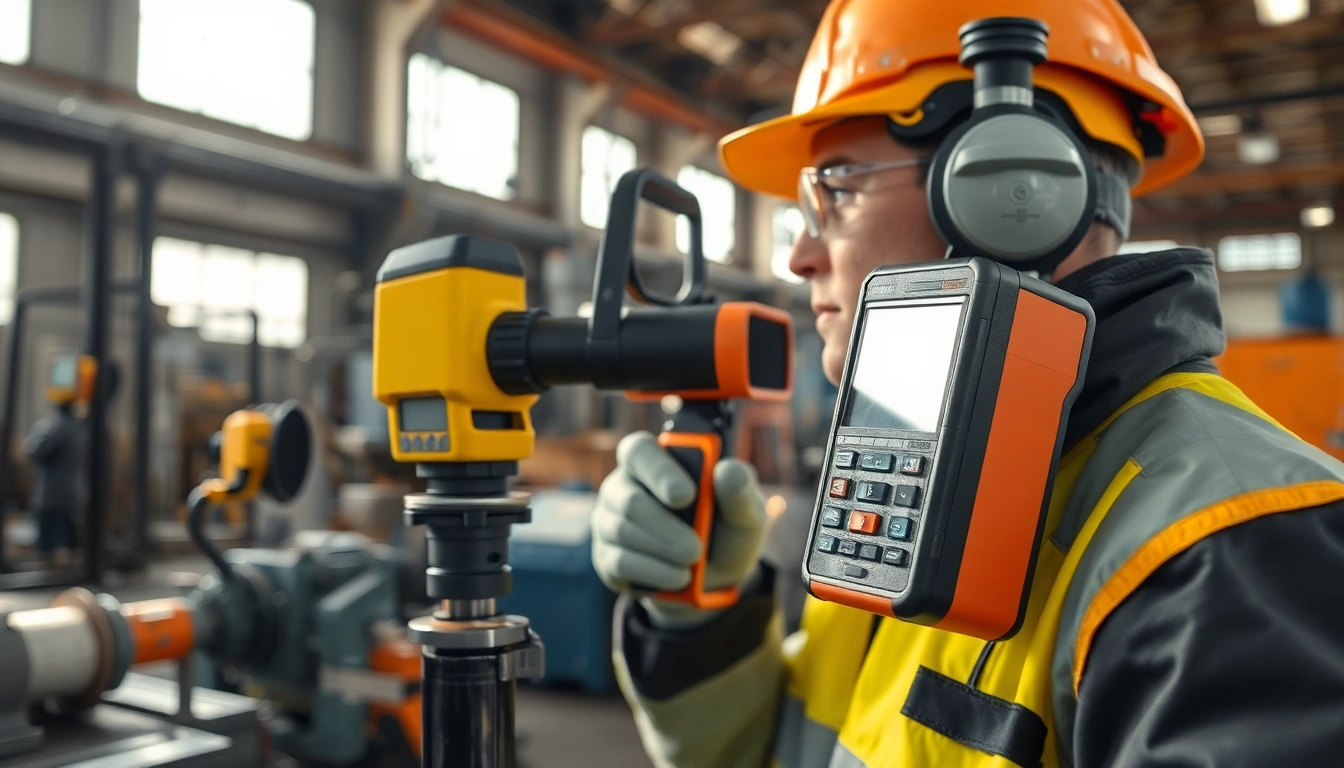
To accurately conduct a noise assessment survey, certain tools and equipment are necessary. The most critical tool is a sound level meter, which measures the sound pressure level in decibels (dB). Multiparameter sound level meters can record variations in noise over time, while dosimeters are used to assess individual exposure levels in occupational settings. Additionally, data collection devices, such as noise mapping software, may be employed to visualize noise distribution across a surveyed area.
Methodologies for Conducting Noise Assessment Survey
Various methodologies can be utilized in noise assessments. Common approaches include:
- Walk-Through Surveys: Quick assessments that identify and screen high-noise areas through direct observation and manual measurements.
- Static Monitoring: Involves placing sound level meters in strategic locations to gather continuous data over fixed periods.
- Personal Monitoring: Utilizes dosimeters carried by individuals to determine personal noise exposure levels, essential in occupational settings.
Data Collection and Analysis Techniques
After conducting the noise assessment, the next step is data collection and analysis. Data should be analyzed to identify patterns, sources, and times of peak noise levels. Analyzing the data can be accomplished through various statistical software programs, which allow for the identification of trends and potential impacts. For use in compliance assessments, results should be compared against legal standards and thresholds. Effectively summarizing this data into clear reports equips stakeholders to make informed decisions about further actions.
Common Applications of Noise Assessment Surveys
Occupational Noise Assessment in the Workplace
Occupational noise assessments are vital for organizations to ensure employee wellbeing. Many workplaces generate sound levels that can exceed safe thresholds, compelling employers to conduct regular assessments. By identifying high-risk areas within the facility, management can implement noise reduction strategies such as engineering controls, administrative changes, and adequate hearing protection to comply with OSHA regulations.
Environmental Noise Assessment for Community Impact
Environmental noise assessments are equally essential for communities, especially in urban areas with high traffic and industrial activity. These assessments help to determine the overall noise exposure of residents, aligning with health time-sensitive impacts on quality of life. A thorough environmental noise assessment can influence urban planning decisions and help policymakers set sound level restrictions that aim to protect public health while considering economic growth.
Sound Surveys in Construction Projects
During construction, noise disturbances are often unavoidable; hence conducting sound surveys is vital. Construction noise assessments allow project managers to plan activities responsibly, ensuring compliance with local regulations while minimizing disruptions. By anticipating noise-related issues—such as working hours restrictions and noise barriers—the construction team can better negotiate community relations and mitigate future complaints.
Challenges and Solutions in Noise Assessment Surveys
Identifying Key Noise Sources and Patterns
One challenge in conducting noise assessment surveys is accurately identifying the primary sources of noise and understanding their patterns. Complex environments, like dynamic workplaces or urban settings, present difficulties in isolating specific noise contributors. To overcome this, sophisticated monitoring techniques and noise mapping technology can provide clearer insights into sound distribution, enabling assessors to pinpoint and measure the contribution of each noise source effectively.
Addressing Measurement Limitations and Variability
Measurement variability can arise due to several factors, such as environmental conditions, equipment used, and even user error. Executing multiple measurements at different times and conditions helps mitigate these issues. Standardized procedures should be followed consistently, and calibration of instruments must occur regularly to ensure accuracy. Moreover, accompanying qualitative observations can enhance data interpretation, providing context to the numerical findings.
Overcoming Regulatory Compliance Challenges
Regulatory compliance can be a daunting aspect of noise assessment surveys. Regulations may vary by jurisdiction, and keeping track of changes can be challenging. Establishing a dedicated compliance team that is continuously informed of relevant regulations can facilitate adherence. Regular training and audits of workplace practices are also necessary to maintain compliance. In instances of challenging compliance, engaging with local authorities early can pave the way for effective negotiation and resolution.
Future Trends in Noise Assessment Survey Practices
Technological Advancements in Noise Measurement
As technology evolves, so too do the methodologies used in noise assessment surveys. Innovations such as mobile applications and IoT-based monitoring systems are emerging, providing real-time data collection and analysis. These advancements not only enhance accuracy but also ease the workflow for assessors. Emerging technologies are likely to provide more comprehensive insights, fostering a proactive approach to noise management.
Shift Towards Automated Noise Monitoring Solutions
The future of noise assessment surveys is clearly leaning toward automation. Automated noise monitoring solutions allow for continuous data gathering without the need for manual intervention. This reduces the risk of human error and provides invaluable ongoing insights. As regulations become more stringent, automated systems will afford organizations the ability to ensure sustained compliance effortlessly.
Integration of Artificial Intelligence in Data Analysis
Artificial intelligence (AI) is increasingly recognized for its capacity to analyze large datasets more efficiently. Integrating AI into noise assessment practices can expedite data evaluation, revealing patterns and correlations that might be invisible to human analysts. With enhanced predictive modeling capabilities, AI will enable more informed decision-making regarding noise management strategies and interventions.