Understanding Industrial Hydraulics Solutions
What Are Industrial Hydraulics Solutions?
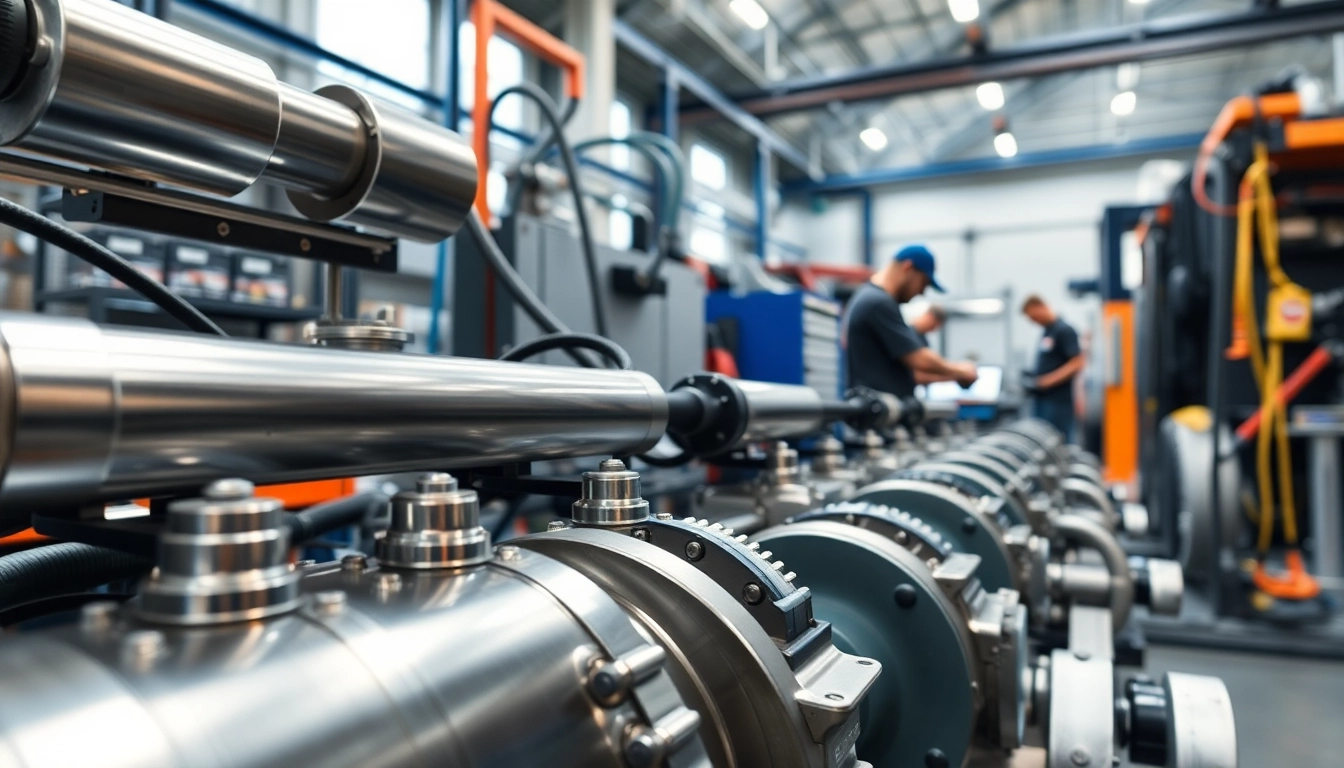
Industrial hydraulics solutions involve the use of fluid power to carry out mechanical work in various industries. These systems leverage the principles of hydraulics, which focus on the transmission of force through pressurized liquids, to operate equipment and machinery efficiently. They play a pivotal role in enhancing productivity and safety in operations across multiple sectors. Such solutions typically encompass a range of components, including pumps, cylinders, actuators, and valves, integrated into sophisticated systems designed to meet specific operational needs. A well-designed hydraulic system offers precise control and unparalleled power, making it an essential component in modern industrial processes. For organizations seeking improved performance, exploring industrial hydraulics solutions can yield significant benefits.
Key Components of Hydraulic Systems
Hydraulic systems consist of several key components that work together to facilitate fluid power transmission. Understanding these components is essential for maximizing system efficiency.
- Pumps: Hydraulic pumps convert mechanical energy into hydraulic energy, creating fluid flow. They come in various types, such as gear pumps, vane pumps, and piston pumps, each functioning optimally under different conditions.
- Actuators: Actuators are devices that convert hydraulic energy back into mechanical energy, enabling movement. These include hydraulic cylinders for linear motion and hydraulic motors for rotary motion.
- Valves: Valves control the flow and direction of hydraulic fluid within the system. They can be manual or automatic, and their arrangement significantly affects system performance.
- Reservoirs: Reservoirs store hydraulic fluid and serve as a source for the system. They help maintain liquid levels and facilitate cooling and filtration.
- Hydraulic Fluid: The medium through which power transmission takes place, hydraulic fluid must possess specific properties such as viscosity, lubricity, and thermal stability.
Applications in Various Industries
Industrial hydraulics solutions find applications across a broad spectrum of industries, including but not limited to:
- Manufacturing: In manufacturing, hydraulic systems are crucial for operating presses, injection molding machines, and CNC equipment, enhancing precision and efficiency.
- Aerospace: Aerospace applications utilize hydraulics in flight control systems, such as landing gear mechanisms and control surfaces, where reliability is paramount.
- Construction: Hydraulic excavators, bulldozers, and cranes rely heavily on hydraulic systems for effective lifting and maneuvering capabilities.
- Agriculture: Agricultural machinery, such as tractors and harvesters, employs hydraulic systems for seed planting, crop harvesting, and control of attachments.
- Automotive: In the automotive industry, hydraulic braking systems and power steering operate effectively through hydraulic technology, ensuring safety and comfort.
Benefits of Implementing Industrial Hydraulics Solutions
Increased Efficiency and Productivity
One of the foremost advantages of industrial hydraulics solutions is the marked improvement in operational efficiency and productivity. These systems can generate immense power in a compact form, facilitating rapid movements and operations that mechanical systems may not achieve. By automating various processes through hydraulic mechanisms, businesses can decrease cycle times, reduce labor costs, and ultimately enhance throughput. Additionally, hydraulic systems can operate continuously, leading to less downtime and higher yield during production processes.
Enhanced Safety Measures
Incorporating hydraulic solutions can result in enhanced safety in industrial environments. Hydraulic systems offer smooth and controlled operation, minimizing abrupt movements that can lead to accidents. Furthermore, hydraulic components often feature fail-safe mechanisms that prevent catastrophic system failures, protecting both operators and equipment. With features like pressure relief valves and integrated monitoring systems, hydraulic solutions can significantly reduce the risk of workplace injuries.
Cost-effectiveness in Operations
Cost-effectiveness is another compelling reason to adopt industrial hydraulics solutions. Although the initial investment in hydraulic systems may be higher than traditional mechanical systems, the long-term savings associated with lower maintenance costs, energy efficiency, and improved operational performance outweigh these initial expenses. Hydraulic systems typically have fewer moving parts, leading to reduced wear and tear and extended equipment lifespan. Organizations can also benefit from savings in labor costs due to the automation and efficiency introduced by hydraulic systems.
Challenges in Adopting Industrial Hydraulics Solutions
Common Technical Issues
While industrial hydraulics solutions offer numerous benefits, they can pose technical challenges that organizations must navigate. Common issues include hydraulic fluid leaks, pressure drops, and inefficient system design. Identifying and addressing these issues early can prevent larger malfunctions and ensure sustained system performance. Employing expert maintenance teams knowledgeable in hydraulic systems can help mitigate these risks, ensuring long-lasting operation.
Maintenance and Support Needs
Like any sophisticated system, hydraulic solutions require regular maintenance to operate effectively. This includes routine inspections, fluid replacement, and seal replacements. Inadequate maintenance can lead to failures, downtime, and increased repair costs. Establishing a proactive maintenance protocol, possibly complemented by predictive maintenance technologies, can help organizations avoid unexpected breakdowns and ensure maximum uptime.
Employee Training Requirements
The successful implementation of industrial hydraulics solutions necessitates comprehensive employee training. Operators and maintenance personnel must be well-versed in hydraulic system operations, troubleshooting, and safety practices. Organizations should invest in ongoing training programs and resources to ensure their teams remain knowledgeable about the latest hydraulic technologies, ensuring optimal performance and safety within the workplace.
Best Practices for Using Industrial Hydraulics Solutions
Regular Maintenance Protocols
Establishing regular maintenance protocols is crucial for ensuring the longevity and efficiency of hydraulic systems. Scheduled checks can identify potential issues before they escalate, including fluid levels, filter conditions, and component wear. Documentation of maintenance activities not only aids in tracking system conditions but also helps in making data-driven decisions for future upgrades and improvements.
Optimizing System Performance
Optimizing hydraulic system performance involves fine-tuning parameters such as pressure settings and fluid flow rates to match operational needs accurately. Utilizing advanced monitoring tools and sensors can provide real-time data on system performance, allowing immediate adjustments and interventions to prevent inefficiencies.
Choosing the Right Components
Selecting the appropriate components based on specific system requirements is vital. Compatibility, efficiency ratings, and operational needs should guide the selection process for pumps, actuators, and valves. Investing in high-quality, compatible components not only enhances performance but can also reduce maintenance and operational costs in the long run.
Future Trends in Industrial Hydraulics Solutions
Integration with Smart Technologies
The future of industrial hydraulics solutions is poised for a transformation with the integration of smart technologies. Industry 4.0 concepts, including the Internet of Things (IoT), allow hydraulic systems to be monitored and controlled remotely. This integration enables predictive maintenance, where data analytics forecast potential failures before they occur, leading to improved uptime and reduced operational disruptions.
Environmental Considerations and Sustainability
Environmental sustainability is an increasing priority for many industries. Future hydraulics solutions will integrate eco-friendly practices, such as using biodegradable hydraulic fluids and designing systems that minimize energy consumption. Implementing these practices not only helps organizations reduce their environmental footprint but can also attract eco-conscious customers, giving a competitive edge.
Predictions for Market Growth and Innovation
The industrial hydraulics sector is expected to witness significant growth driven by ongoing innovations. Trends point towards advancements in materials, automation, and energy-efficient designs that enhance system reliability and functionality. As industries evolve, the demand for more efficient, versatile hydraulic solutions will increase, offering opportunities for growth and investment in new technologies.
Frequently Asked Questions (FAQs)
1. What are the key advantages of industrial hydraulics solutions?
Key advantages include enhanced efficiency, increased productivity, improved safety measures, and cost-effectiveness in operations.
2. How often should hydraulic systems be maintained?
Hydraulic systems should be maintained regularly, typically scheduled for monthly or quarterly inspections, depending on usage and operating conditions.
3. What are common applications of hydraulic systems?
Common applications include manufacturing machinery, construction equipment, aerospace controls, and automotive systems.
4. How can businesses enhance the safety of hydraulic systems?
Businesses can enhance safety by implementing stringent maintenance protocols, providing employee training, and integrating fail-safe mechanisms.
5. What future trends are influencing hydraulic systems?
Future trends include the integration of smart technologies, environmental sustainability practices, and increased market innovation.