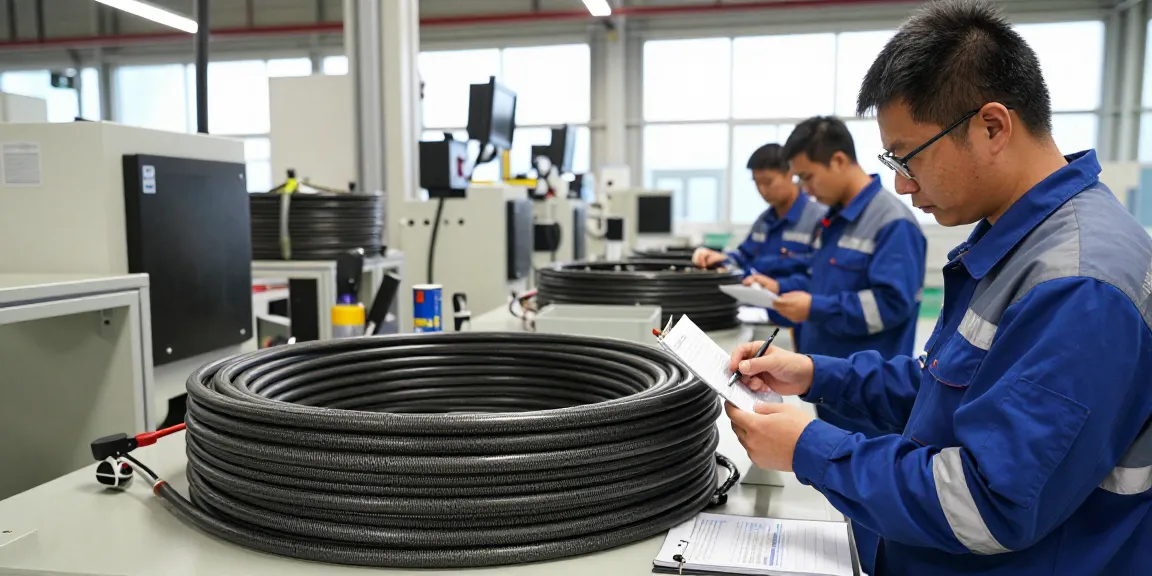
Introduction to GRP Grating
GRP (Glass Reinforced Plastic) grating is a composite material widely utilized in various industries for its exceptional strength-to-weight ratio and resistance to environmental factors. As industries continue to seek more innovative and durable materials, the demand for high-quality GRP Grating Supplier has surged. This article will explore the nature of GRP grating, its benefits, applications, and other essential aspects that can guide you in choosing the right supplier for your needs.
What is GRP Grating?
GRP grating is an engineered composite made from glass fibers and resin, creating a lightweight yet incredibly strong material. Its fabrication typically involves two main types: molded and pultruded grating. Molded grating is produced by compressing strands of fiberglass within a resin mold, while pultruded grating is created through a continuous process that draws fibers through a resin bath followed by a heated die. This results in a consistent, durable product with varying thickness and open area configurations.
Benefits of GRP Grating
The advantages of using GRP grating are numerous:
- Lightweight: GRP grating significantly reduces the load on structural elements, making it suitable for applications where weight is a concern.
- Corrosion Resistance: Unlike steel, GRP does not rust, extending its lifecycle in corrosive environments such as chemical plants and coastal areas.
- High Load Bearing: Despite its lightweight nature, GRP grating can support considerable weight, making it ideal for industrial flooring.
- Safety Features: Most GRP gratings come with a non-slip surface, enhancing safety in high-traffic areas.
- Easy Installation: The lightweight characteristic also eases transport and labor during installation, reducing overall costs.
Common Applications for GRP Grating
GRP grating is a versatile solution employed across various sectors:
- Industrial Flooring: Ideal for walkways, platforms, and even storage areas due to its durability.
- Chemical Processing: Used to create safe and corrosion-resistant walkways and platforms in plants.
- Marine Applications: Suitable for docks and piers where moisture exposure is an ongoing issue.
- Architectural Environments: Can be utilized in aesthetic applications, including staircases and façade features.
- Heavy Traffic Areas: Widely used for bridges and other structures exposed to heavy loads.
Finding the Right GRP Grating Supplier
Choosing the correct GRP Grating Supplier is vital for ensuring quality and reliability in your project. Here are some considerations to help you make an informed decision.
Key Factors to Consider
When selecting a GRP grating supplier, it's essential to evaluate the following:
- Industry Reputation: Look for suppliers with a solid track record and positive customer reviews.
- Product Range: Ensure the supplier offers a variety of grating types to meet specific application needs.
- Customization Options: Consider suppliers that provide bespoke solutions tailored to your requirements.
- Compliance with Standards: Check if the supplier's products meet relevant quality and safety regulations.
Researching Suppliers
Conducting thorough research is essential when assessing potential suppliers. Start by reading customer testimonials and seeking references from previous clients. Online forums and industry-specific groups can also provide insights. Additionally, compare suppliers' websites for available products, services, and certifications to determine their credibility.
Understanding Supplier Capabilities
Evaluate a supplier's manufacturing capabilities. Consider whether they produce grating in-house or outsource production. Understanding their process can reveal quality assurance measures and lead times for orders. Engaging in direct communication with suppliers allows you to clarify doubts and understand their processes further.
Comparing Products from Different Suppliers
As a potential buyer, comparing products from various suppliers is critical in ensuring you find the best fit for your project.
Types of GRP Grating Available
GRP grating comes in multiple types, including:
- Molded Grating: Versatile and available in different thicknesses; commonly used for walkways and platforms.
- Pultruded Grating: Offers a high strength-to-weight ratio and is ideal for heavy-duty applications.
- Phenolic Grating: Best suited for environments exposed to harsh chemicals, providing superior chemical resistance.
Quality Standards and Certifications
Ensure that the GRP grating products adhere to industry-recognized quality standards. Certification from entities related to safety and performance can provide assurance about the long-term reliability of the grating solutions you intend to purchase.
Pricing and Value Assessment
Cost is a fundamental factor in supplier selection. While it might be tempting to select the cheapest option, consider the value offered by each supplier. Determine the total cost of ownership, which includes the initial purchase price, installation, and maintenance costs over the product's lifespan. Balance quality with cost to ensure you are investing wisely.
Installation and Maintenance of GRP Grating
Proper installation and ongoing maintenance are crucial to extending the lifespan of GRP grating. This section outlines essential steps for a successful installation and maintenance regimen.
Preparation for Installation
Before installation, inspect the designated area for any obstacles and ensure a clean surface. Gather all necessary equipment, such as safety gear and installation tools, to facilitate a smooth installation process. It's also crucial to double-check measurements and layouts to prevent errors during installation.
Installation Best Practices
Follow these best practices for effective GRP grating installation:
- Utilize Correct Fastening: Use appropriate fasteners and spacers as recommended by the supplier to secure the grating properly.
- Check Alignment: Regularly verify alignment as you install panels, ensuring a flush and stable surface.
- Implement Safety Standards: Adhere to occupational safety standards to protect installation personnel during the process.
- Conduct Post-Installation Inspection: After installation, conduct a thorough inspection to ensure everything is secure and functional.
Maintenance Tips for Longevity
To maximize the lifespan of GRP grating, implement the following maintenance practices:
- Regular Cleaning: Remove debris and spills promptly to maintain slip-resistant properties.
- Periodic Inspections: Conduct regular inspections to identify signs of wear or damage.
- Repair Damage Immediately: Address any damages immediately to prevent further deterioration.
- Follow Manufacturer Guidelines: Adhere to any specific cleaning or maintenance guidelines provided by your supplier.
Frequently Asked Questions about GRP Grating
How is GRP grating manufactured?
GRP grating is typically manufactured using either a pultrusion process or a molding process, which combines resin and glass fibers to create a strong composite material.
Can GRP grating be customized?
Yes, many suppliers offer customization options, including variations in size, color, and shape to meet specific project requirements.
What are the weight limits for GRP grating?
Weight limits vary based on the type and thickness of the grating. It’s essential to consult with suppliers for specifications suited to your requirements.
Is GRP grating resistant to chemicals?
Yes, GRP grating exhibits excellent chemical resistance, making it ideal for use in environments subjected to caustic substances.
What maintenance is required for GRP grating?
Regular cleaning, periodic inspections for damage, and immediate repair of any identified issues will help maintain GRP grating's integrity and appearance.