Understanding the Basics of Automotive Fuse Boxes
What is an Automotive Fuse Box?
An automotive fuse box is a crucial component in vehicles that houses various fuses responsible for protecting electrical circuits. It serves as a centralized location for fuses, making it easy to access and manage the vehicle's electrical system. The fuse box is designed to prevent damage to the electrical system by breaking the circuit when there is an overcurrent, ensuring that wiring and electronic components are shielded from potential harm.
Common Types of Fuses Used
There are several types of fuses utilized in automotive applications. Understanding these types can aid vehicle owners in performing effective maintenance. The most commonly used fuses include:
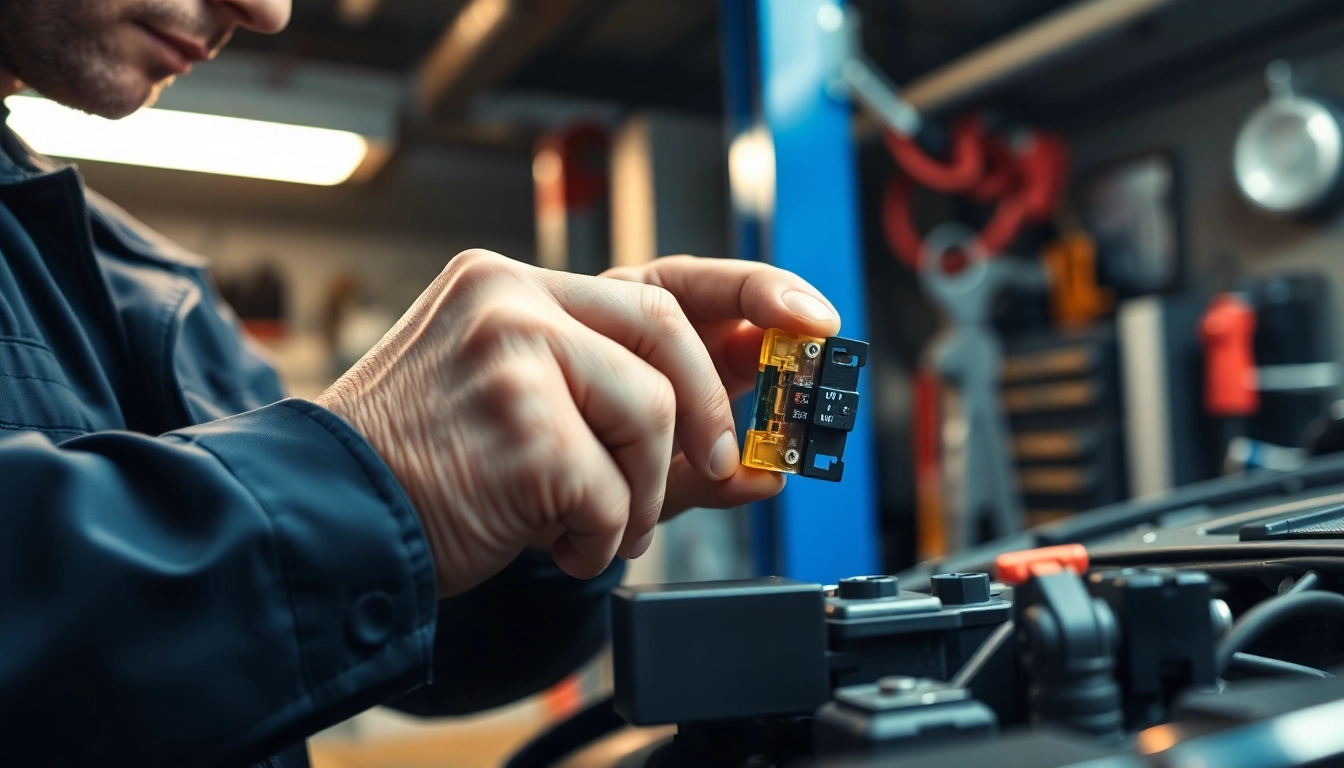
- Blade Fuses: The most prevalent type found in modern vehicles, they have a plastic body with two metal blades that fit into the fuse box.
- Glass Tube Fuses: Often used in older cars, these fuses are cylindrical and contain a wire that melts to break the circuit.
- Mini Fuses: A smaller variant of blade fuses, widely used in compact cars where space is limited.
- Maxi Fuses: These are larger blade fuses designed for heavy-duty circuits such as those used for high-current components.
Importance of Regular Maintenance
Regular maintenance of the fuse box is essential to ensure the reliability of the vehicle's electrical system. Inspecting fuses for signs of wear or damage can prevent potential electrical failures. A fuse that frequently blows may indicate an underlying electrical issue that needs to be addressed. As part of routine vehicle maintenance, checking the fuse box should not be overlooked, as it helps to maintain a safe operating environment and prolongs the life of your vehicle's electrical components.
Troubleshooting Fuse Issues
Identifying Blown Fuses
Identifying blown fuses is often the first step in troubleshooting electrical problems in vehicles. A blown fuse typically presents signs such as inoperative accessories, dim lights, or unexpected system failures. To check for a blown fuse, one can visually inspect the fuse for a broken filament or use a multimeter for a more thorough examination.
Common Symptoms of Fuse Problems
There are several symptoms that can indicate a faulty fuse. Recognizing these symptoms can simplify troubleshooting:
- Inoperative Lights: Dashboard lights or headlights not functioning may signify a blown fuse.
- Power Loss to Accessories: Power windows or radio failing to operate can also be a sign of fuse issues.
- Frequent Blowing Fuses: If a fuse repeatedly blows, it often indicates an electrical short or overload.
Tools Needed for Inspection
To effectively inspect and troubleshoot automotive fuses, a few essential tools are recommended:
- Multimeter: A versatile tool for checking voltage and continuity in fuses.
- Fuse Puller: A handy tool designed to safely remove fuses without damaging the fuse box.
- Flashlight: Useful for illuminating the fuse box, especially in low-light conditions.
How to Replace a Fuse Safely
Step-by-Step Guide to Fuse Replacement
Replacing a blown fuse is a straightforward process that can be carried out by most vehicle owners. Here’s a step-by-step guide:
- Locate the fuse box, usually found under the dashboard or in the engine compartment.
- Identify the blown fuse either by visual inspection or using a multimeter.
- Using a fuse puller, carefully remove the blown fuse from its slot.
- Check the amperage rating of the blown fuse (usually printed on the fuse) and select a new fuse with the same rating.
- Insert the new fuse into the appropriate slot securely.
- Test the electrical system to ensure functionality.
Safety Precautions to Consider
While replacing a fuse is relatively safe, following some precautions can help avoid accidents:
- Always turn off the vehicle and remove the key from the ignition before beginning work on the fuse box.
- Ensure hands and tools are dry to prevent electrical shocks.
- Use the correct amperage rating for fuses to prevent circuit damage.
When to Consult a Professional
If you frequently encounter blown fuses, it may be time to seek professional assistance. Persistent issues can indicate underlying problems that require advanced diagnostic tools and expertise. Consulting an automotive technician can help in identifying the root cause of electrical failures and prevent further damage to the vehicle's electrical system.
Fuse Box Schematics for Various Car Models
Accessing Vehicle-Specific Schematics
Fuse box schematics provide critical information about the layout and function of the fuses in specific vehicles. Most vehicle manufacturers provide these schematics in the owner’s manual or online resources. When accessing these schematics, ensure that you are consulting the correct manual or guide for your vehicle model to avoid confusion.
Understanding Fuse Position and Function
Each fuse in the fuse box corresponds to a specific electrical component or circuit. Understanding the position of each fuse and its function can greatly aid in troubleshooting. When inspecting, refer to the vehicle-specific schematic to identify which fuse controls which function.
Resources for Further Reference
For additional information and guidance on fuse box schematics, a great resource is https://bezpieczniki24.pl, which offers various diagrams, manuals, and articles tailored to different vehicle models.
Advanced Fuse System Issues and Solutions
Diagnosing Electrical Problems Related to Fuses
Diagnosing electrical issues related to fuses requires a systematic approach. Start by checking the fuses as they are the first line of defense against electrical faults. If fuses are blowing, it is crucial to check for short circuits, worn wires, or faulty components connected to the affected fuse. Additionally, using a multimeter to test for continuity can help isolate the problem.
Innovations in Fuse Technology
Recent advancements in fuse technology include the development of smart fuses that can detect overloads and provide diagnostic information about the electrical system. These fuses can communicate with the vehicle's onboard computer to notify the driver of any issues, significantly improving safety and reliability.
Future Trends in Automotive Electrical Systems
As vehicles continue to evolve with technology, the electrical systems within them are becoming increasingly complex. Future trends may include the integration of more sophisticated electrical management systems that utilize advanced microcontrollers and wireless communication, reducing the reliance on traditional fuses. Understanding these trends will be essential for both consumers and mechanics in the years to come.