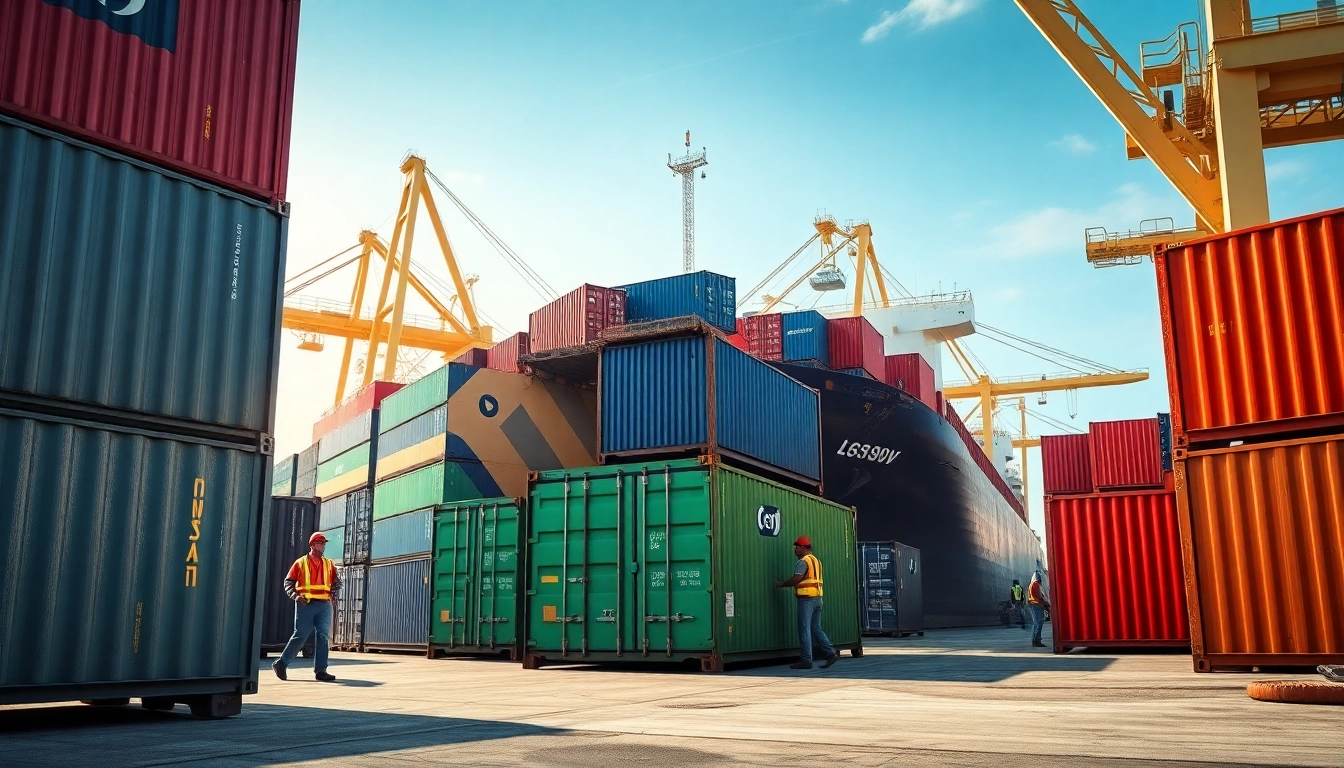
Understanding Containers Shipping Services
In an increasingly interconnected world, the demand for efficient and reliable shipping services has never been more critical. For businesses, diplomats, and families in Pakistan looking to ship goods internationally, understanding the nuances of Containers Shipping Services is essential. This guide offers a detailed exploration of container shipping, allowing you to navigate the complexities of international logistics with ease.
What Are Containers Shipping Services?
Containers shipping services are specialized logistics solutions that facilitate the transportation of goods using standardized containers. These containers, typically either 20-foot or 40-foot long, can carry a diverse range of cargo, from personal belongings to commercial products. The flexibility inherent in container shipping allows shippers to choose Full Container Loads (FCL) for larger shipments or Less than Container Loads (LCL) for smaller volumes, making it an adaptable option for various shipping needs.
Types of Containers Used in International Shipping
Understanding the different types of shipping containers is crucial for anyone involved in international shipping. Here are the primary types:
- Standard Containers: These are the most common containers used for general cargo.
- Reefer Containers: Specifically designed for transporting perishable goods, these containers maintain controlled temperatures.
- Open Top Containers: Ideal for oversized cargo that cannot fit through standard container doors.
- Flat Rack Containers: Used for heavy machinery and large items that need to be secured but not enclosed.
The Importance of Choosing the Right Shipping Partner
Selecting the right shipping partner is paramount in ensuring the safety and timely delivery of your goods. Factors such as reliability, customer service, and the range of services offered should be considered. A competent partner can help you navigate the complexities of customs regulations, provide insurance options, and offer tracking capabilities, ensuring peace of mind throughout the shipping process.
How to Book Containers Shipping Services in Pakistan
Step-by-Step Guide to Booking Your Shipment
Booking international shipping can seem daunting, especially for first-timers. Here’s a step-by-step guide to streamline the process:
- Assess Your Shipping Needs: Determine the volume and type of goods you need to ship.
- Select a Shipping Method: Decide between FCL and LCL based on your cargo size.
- Gather Required Documents: Prepare necessary paperwork, such as customs declarations and invoices.
- Request Quotes: Contact multiple shipping companies to compare rates and services.
- Finalize Your Booking: Confirm your choice, schedule your pickup, and ensure all documentation is complete.
Essential Documentation for International Shipping
Documentation is a critical component of international shipping. Common documents required include:
- Commercial Invoice: A bill for the goods being shipped.
- Packing List: Details the contents of the shipment.
- Bill of Lading: A contract between the shipper and carrier.
- Customs Declaration: Required by customs authorities to process shipments.
Common Mistakes to Avoid When Booking
To ensure a smooth shipping experience, avoid these common pitfalls:
- Underestimating Costs: Always ask about hidden fees and additional charges.
- Insufficient Packaging: Properly pack your items to avoid damage during transit.
- Neglecting Insurance: Protect your shipment with cargo insurance for added safety.
Cost Factors in Containers Shipping Services
Understanding Pricing Structures: FCL vs. LCL
Pricing structures can vary widely between FCL and LCL shipping. FCL shipments generally offer lower rates per unit but require you to pay for the entire container, regardless of whether you fill it. LCL, while more economical for smaller shipments, can incur additional charges such as handling fees, making it essential to evaluate your shipping needs before making a decision.
Hidden Costs in Shipping and How to Mitigate Them
Several hidden costs can arise when shipping internationally:
- Port Fees: Charges for using port facilities.
- Customs Duties: Taxes imposed by the importing country.
- Storage Fees: Costs for storing containers if they are not picked up promptly.
To mitigate these costs, be sure to discuss all potential fees with your shipping provider before finalizing the agreement.
How to Get Competitive Quotes
Obtaining competitive shipping quotes requires diligent research. Here are some tips:
- Contact Multiple Carriers: Reach out to several shipping companies to compare prices and services.
- Use Online Freight Marketplaces: Utilize platforms that aggregate shipping rates for easy comparison.
- Leverage Negotiation: Don’t hesitate to negotiate terms, especially for large shipments.
Best Practices for Packing and Shipping
How to Properly Pack Goods for Containers Shipping
Packaging plays a crucial role in the safety of your shipment. Here are key practices:
- Choose Quality Packing Materials: Use sturdy boxes, bubble wrap, and packing peanuts.
- Label Everything Clearly: Ensure all boxes are labeled with destination and contents.
- Distribute Weight Evenly: Place heavier items on the bottom and lighter items on top.
Importance of Load Optimization
Load optimization involves maximizing the space within a shipping container to minimize costs. Techniques include:
- Utilizing Empty Spaces: Fill voids with filler items.
- Strategic Item Placement: Arrange items to distribute weight evenly and prevent damage.
- Stacking Efficiently: Use vertical space when possible.
Case Studies: Successful Shipping Experiences
Analyzing successful shipping experiences can provide valuable insights. For example, a company that optimized container space saw a 30% reduction in shipping costs, while another that meticulously planned its logistics reduced transit times by a week. These cases underscore the importance of careful planning and execution in international shipping.
Future Trends in Containers Shipping Services
Technological Innovations Shaping the Industry by 2026
As the shipping industry evolves, several technological advancements are forecasted to transform the landscape. Innovations such as artificial intelligence for tracking shipments, blockchain for enhanced transparency, and the Internet of Things (IoT) for real-time monitoring are expected to play significant roles in improving operational efficiency and customer satisfaction.
The Impact of Sustainability on Shipping Practices
With a growing emphasis on sustainability, shipping practices are shifting towards greener alternatives. Companies are increasingly adopting eco-friendly containers, utilizing biofuels, and optimizing routes to reduce carbon footprints. Customers are now more inclined to choose shipping partners that prioritize sustainable practices, making it a competitive advantage.
Predictions for the Evolving Market Landscape
The future market landscape for containers shipping services is likely to be characterized by increased automation, real-time tracking, and customer-centric services. As global trade continues to expand, the demand for flexible shipping solutions will rise, encouraging logistics providers to innovate and diversify their offerings.