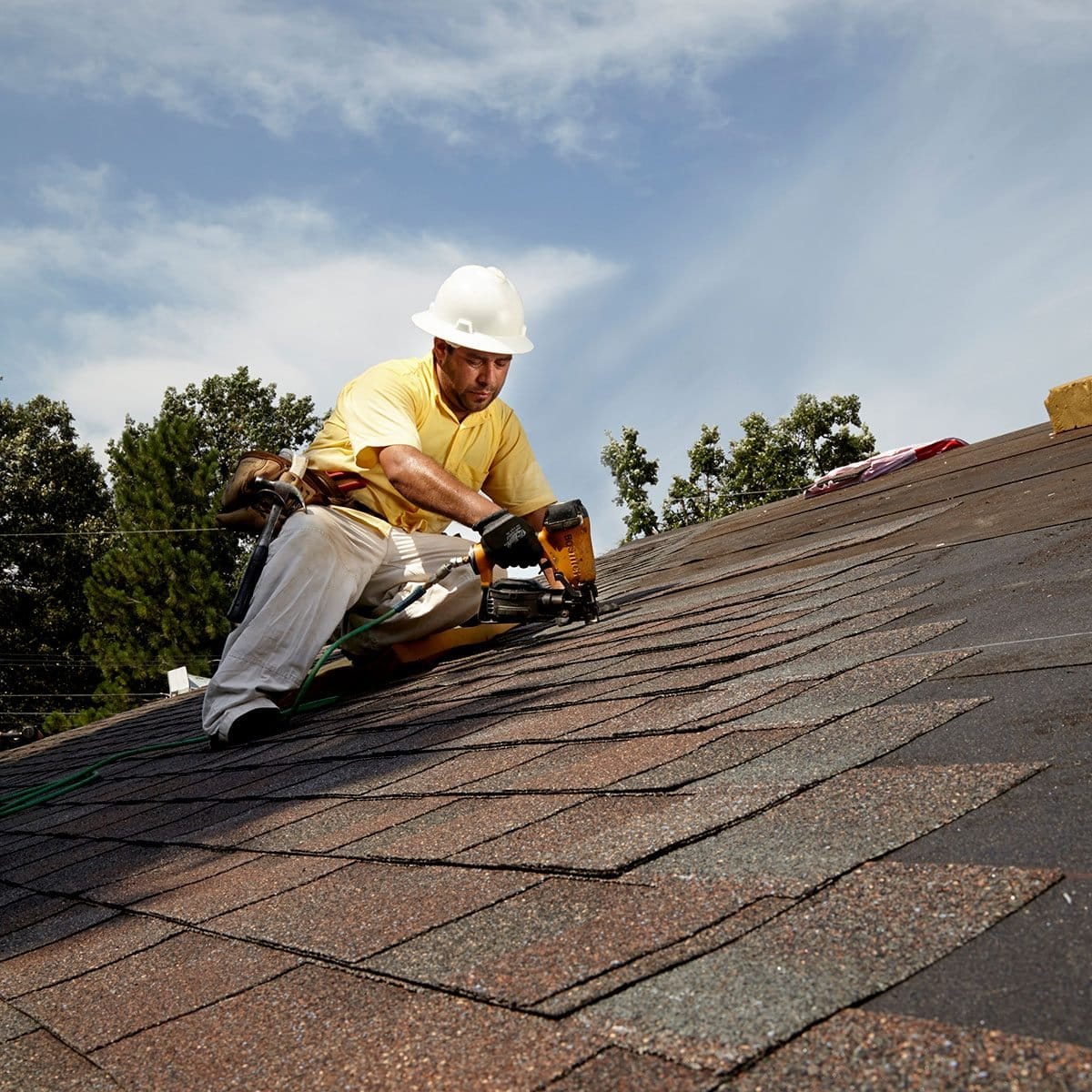
Understanding the Role of a Roofing Contractor
What is a Roofing Contractor?
A roofing contractor is a professional responsible for the installation, maintenance, and repair of roofs. They possess specialized skills necessary for a range of roofing types and systems, including flat and pitched roofs, shingles, tiles, and membranes. Roofing contractors often have extensive training and experience to ensure that they can complete projects safely, effectively, and to code.
Key Responsibilities of a Roofing Contractor
The duties of a roofing contractor encompass various aspects of roofing projects. These include:
- Project Management: Overseeing job site activities, ensuring safety protocols are followed, and managing subcontractors.
- Inspection and Assessment: Evaluating roofing needs and identifying potential issues before they escalate.
- Estimating and Quotation: Providing project estimates based on roofing materials, labor, and project complexity.
- Installation and Repair: Carrying out roof installation and repair tasks, following best practices and adhering to local building codes.
- Maintenance Services: Offering routine inspections and maintenance to extend the lifespan of roofing systems.
How Roofing Contractors Differ from Roofers
The terms "roofing contractor" and "roofer" are often used interchangeably but denote different responsibilities. A roofer is typically someone who performs the physical work of installing and repairing roofs, often without the broader managerial and operational duties held by a roofing contractor. Roofing contractors are more involved in the project oversight, client interactions, and compliance with regulations, while roofers focus primarily on the craft of roofing itself.
Choosing the Right Roofing Contractor
Evaluating Qualifications and Experience
To choose a competent roofing contractor, start by evaluating their qualifications and experience. Look for contractors with:
- Relevant Certifications: Credentials from authoritative bodies can confirm their expertise.
- Years of Experience: A longer track record often means better problem-solving skills and reliability.
- Specialty Knowledge: Check if they specialize in the type of roofing you require (e.g., metal, shingle, or flat roofing).
- References: Request references from past clients to gauge their satisfaction with the contractor's work.
Importance of Licensing and Insurance
Licensing and insurance are critical aspects to consider when hiring a roofing contractor. Licensing indicates that the contractor has complied with local regulations and safety standards. Insurance protects homeowners from liability in the event of accidents or damages during the project. Always ask for proof of both before moving forward with a contractor.
Gathering and Comparing Quotes
When you have shortlisted potential roofing contractors, gather quotes from them. Ensure these quotes include:
- A detailed breakdown of materials and labor costs
- Timeframe for project completion
- Warranties offered on both materials and services
Comparing these quotes can help you identify the best value while ensuring quality workmanship.
Common Services Offered by Roofing Contractors
Roof Installation and Replacement
One of the primary services offered by roofing contractors is roof installation and replacement. This includes removing old roofing materials and installing new roofing systems. Contractors must also ensure that new installations comply with local building codes and are suited to the specific climate and environment.
Roof Repairs and Maintenance
Roof repairs are essential for maintaining the integrity of the home. Common repairs include fixing leaks, replacing damaged shingles, and sealing joints and seams. Maintenance services can also involve regular inspections to catch issues early, potentially saving homeowners money on larger repairs later.
Inspection Services
Inspection services provided by roofing contractors are crucial for identifying damage. These services help homeowners understand the condition of their roofs, especially after adverse weather events. Inspections can lead to timely repairs and prolong the overall lifespan of the roofing system.
Cost Factors When Hiring a Roofing Contractor
Average Costs of Roofing Services
The cost of roofing services can vary significantly based on various factors, including:
- The type of roofing materials selected
- Roofing structure complexity
- Geographic location and local labor rates
On average, homeowners may spend between $5,000 and $10,000 for a roof replacement, but this can vary widely.
Understanding Pricing Models
Roofing contractors may use different pricing models depending on the project's size and scope. Common pricing structures include flat rates, hourly rates, or estimates based on square footage. Understanding these models is essential for budgeting accurately.
Hidden Costs to Consider
When budgeting for a roofing project, be aware of potential hidden costs such as:
- Permits or additional materials needed for unexpected repairs
- Disposal fees for old roofing materials
- Cost overruns due to weather delays or changes in project scope
Discussing these factors with contractors upfront can help avoid surprises later.
Frequently Asked Questions About Roofing Contractors
How do I know if I need a roofing contractor?
If you notice leaks, missing shingles, or signs of water damage on the ceiling, it's time to contact a roofing contractor. A professional assessment can determine the extent of the issues and recommend necessary repairs or replacements.
What materials do roofing contractors typically use?
Common materials include asphalt shingles, metal roofing, tile, and flat roofing materials like TPO or EPDM. The choice often depends on budget, building design, and regional climate considerations.
How long does a roofing project usually take?
The duration of a roofing project can vary based on size and complexity. Generally, most residential roofing jobs take between one to three days, while larger commercial projects may take longer.
What warranties should I expect?
Expect warranties that cover both materials and workmanship. Material warranties often range from 20 to 50 years, while workmanship warranties may cover several years. Always review the terms carefully.
How can I prepare my home for the roofing project?
To prepare, clear the area around your home, remove valuable items from the work zone, and ensure easy access for workers. Discuss any concerns with your contractor beforehand to streamline the process.