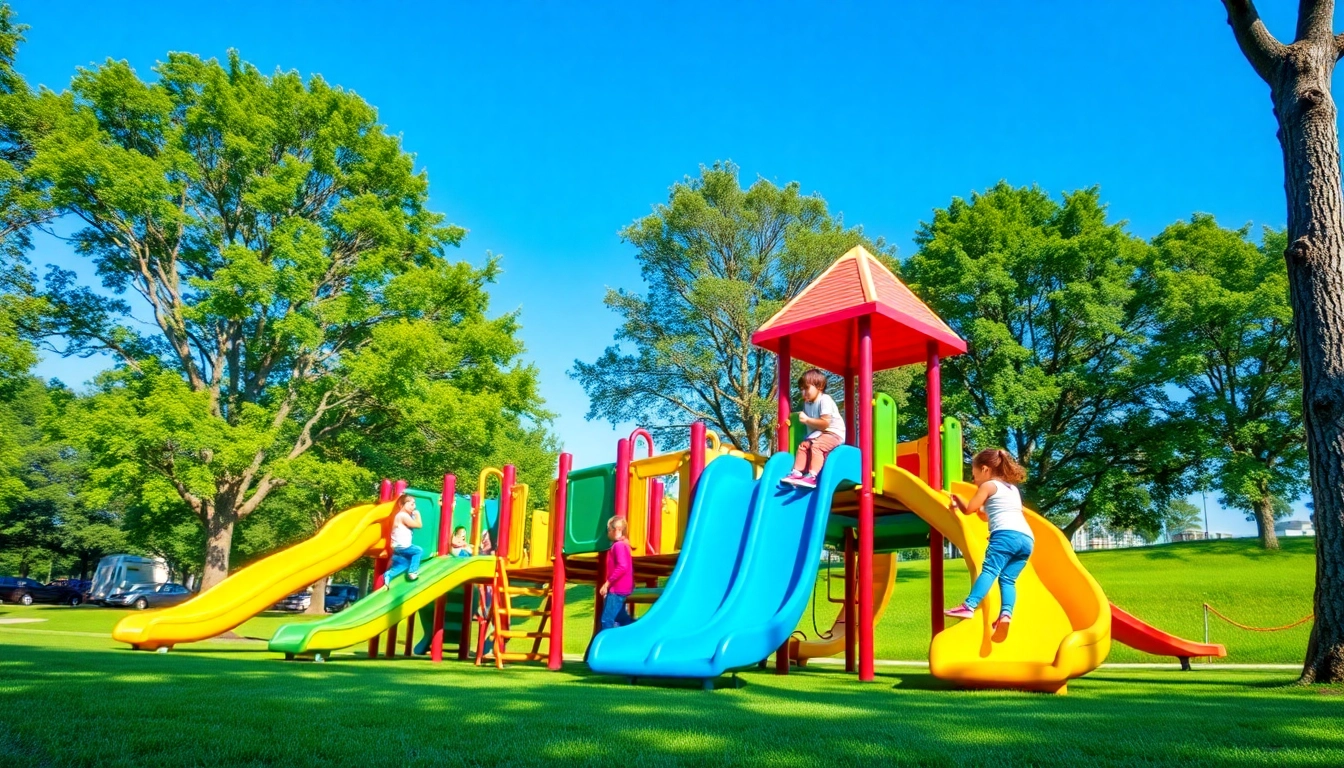
Understanding Playground Equipment Types
Overview of Different Playground Equipment
Playgrounds are a vital part of children's growth and development, offering them spaces to play, explore, and learn. Selecting the right Playground Equipment involves understanding the variety available. From slides and swings to more complex structures like climbing frames and interactive play stations, the choices can be overwhelming. The following are some common types of playground equipment:
- Slides: These come in various heights and designs, providing quick and exhilarating descent options for children.
- Swings: A classic playground favorite, swings accommodate various age groups, including tire swings and bucket swings for younger kids.
- Climbing Structures: Designed to challenge children's physical abilities, these include rock walls, rope ladders, and also more intricate climbing nets.
- Balancing Equipment: Items like balance beams and seesaws enhance coordination and promote physical fitness.
- Interactive Panels: These include sensory boards and educational panels that stimulate learning through play.
- Earth and Sand Play: Pits filled with sand or dirt offer tactile experiences that encourage creativity.
- Safety Surfacing: Often overlooked, safety surfaces like rubber mats or soft grass play a crucial role in preventing injuries during falls.
Benefits of Age-Appropriate Playground Equipment
Age-appropriate playground equipment is crucial for maximizing safety and enrichment for children. Such equipment is designed with specific age groups in mind, addressing their unique developmental needs. For instance:
- Infants and Toddlers (0-2 years): This equipment typically includes low-to-the-ground activities, sensory-rich play stations, and small slides suited for them.
- Preschoolers (3-5 years): Equipment for this age group often includes climbing structures that promote physical activity along with interactive elements that stimulate learning.
- School-Aged Children (6-12 years): This equipment includes more complex structures incorporating height, challenge, and creativity. Features might include larger slides, obstacle courses, and more sophisticated climbing apparatus.
By offering the right playground equipment at each developmental stage, children not only engage in physical play but also enhance their social skills, decision-making, and problem-solving abilities.
Sustainable Materials in Playground Equipment
With growing concerns about the environment, many manufacturers are turning to sustainable materials for producing playground equipment. This shift not only meets safety and quality standards but also contributes to eco-friendliness. Common sustainable materials in playground equipment include:
- Recycled Plastics: Utilizing recycled materials helps reduce waste and the need for new resources.
- Wood from Sustainable Sources: Such as bamboo or reclaimed wood, provides natural aesthetics while being environmentally conscious.
- Metal with Low Environmental Impact: Steel playground structures that have been produced from recycled metal can enhance durability while being sustainable.
These materials not only create safe and fun spaces for children but also serve as teaching tools about environmental responsibility.
Assessing Safety Standards for Playground Equipment
Importance of Safety Regulations
When it comes to playgrounds, safety should always be the top priority. Safety regulations have been established to ensure that playground equipment is constructed and maintained in ways that minimize the risk of injury. These regulations typically cover:
- Equipment Design: There are stringent guidelines governing how equipment should be designed to ensure children cannot be injured while playing.
- Material Requirements: Regulations often specify the types of materials that can be used, particularly regarding their durability and risk of causing injury.
- Installation Procedures: Correct installation is directly related to safety. Guidelines exist that convey proper installation techniques.
- Routine Maintenance: Establishing maintenance schedules ensures that equipment remains safe and functional for use.
By adhering to safety regulations, playgrounds significantly reduce accidents and create a safer environment for children to play.
Common Safety Features in Playground Equipment
Incorporating safety features into playground equipment is essential for preventing injuries. Therefore, the following are common safety features that should be present:
- Soft Edges: Equipment should have rounded edges to reduce the risk of cuts and bruises.
- Non-Slip Surfaces: Using materials that provide traction is vital, ensuring that children don't slip while climbing or playing.
- Height Limits: Ensuring that equipment heights are appropriate for the target age group minimizes fall risks.
- Guardrails: These can prevent falls from elevated surfaces, providing additional safety during play.
- Secure Anchoring: All equipment should be securely anchored to prevent tipping or movement during use.
These safety features collectively contribute to a safer playground experience, ensuring children can play freely while minimizing risks.
Choosing Certified Playground Equipment
When selecting playground equipment, it is essential to choose those that are certified by recognized safety organizations. Certification often signifies that equipment has meet rigorous testing standards and complies with established safety regulations. Common certification types may include:
- ASTM (American Society for Testing and Materials): This organization provides rigorous testing and certification for playground equipment in the United States.
- CPSC (Consumer Product Safety Commission): Equipment compliant with CPSC regulations is deemed safer for children.
- ISO (International Organization for Standardization): Certification from this organization adds an international standard to equipment safety and quality.
By investing in certified playground equipment, not only are playgrounds promoting safety but also ensuring peace of mind for parents and management.
Designing a Playground: Key Considerations
Space Planning and Layout for Playground Equipment
Designing an effective playground requires thoughtful space planning and layout. The following considerations are crucial for maximizing the utility and safety of the playground:
- Available Space: Assess the dimensions of the area where the playground will be situated and determine which equipment can fit adequately.
- Equipment Separation: Spacing equipment adequately to reduce clutter while allowing children ample space to play, minimizing accident risks.
- Visibility: Ensure that playground equipment is arranged so that caregivers can easily supervise their children.
- Accessibility: Layout should adhere to accessibility standards, ensuring that all children can engage with the play structures.
By following these planning guidelines, playground designers can create an engaging and safe space that allows for children's physical and social development.
Creative Themes for Playground Equipment Design
Incorporating creative themes into playground equipment design can enhance children's engagement and enjoyment. Themes can revolve around:
- Nature: Using natural elements like trees, rocks, or water features can create an immersive experience.
- Fantasy: Incorporating castles, pirate ships, or space ships can spark imagination.
- Education: Design features with educational components encouraging learning during play, such as math games or storytelling areas.
Creative themes contribute to a stimulating environment that fosters children's creativity and exploration.
Incorporating Accessibility in Playground Equipment
Creating inclusive playgrounds that cater to children of all abilities is vital. Incorporating accessibility into playground equipment design includes:
- Transfer Stations: Structures that assist children in moving between wheelchairs and play equipment, promoting participation.
- Inclusive Surfacing: Using rubber or soft ground materials ensures all children can navigate the playground easily.
- Adaptive Features: Equipment such as wheelchair-accessible swings and sensory play panels cater to special needs.
By considering accessibility in playground designs, communities can ensure that all children can enjoy the benefits of play.
Maintenance and Longevity of Playground Equipment
Routine Maintenance Best Practices
To maximize the lifespan and safety of playground equipment, regular maintenance is essential. Best practices include:
- Visual Inspections: Conduct regular checks to identify signs of wear or potential hazards like protruding screws or splintered wood.
- Cleaning: Keep equipment clean to prevent the buildup of dirt and debris that may lead to injuries.
- Surface Maintenance: Regularly check and maintain the safety surfacing to ensure proper shock absorption and safety.
- Lubrication: Lubricate moving parts (like swings) to ensure smooth operation and prevent excessive wear.
By adhering to these maintenance protocols, playground equipment remains safe for children's use and can last for many years.
Signs Your Playground Equipment Needs Replacement
Even with regular maintenance, there are times when playground equipment may need replacing. Recognizing the signs of wear can prevent accidents:
- Severe Rust or Corrosion: Particularly for metal equipment, if rusting has permeated deep, it signals potential structural failure.
- Major Structural Damage: Cracks or breaks in major components of the playground can compromise safety.
- Manufacturing Recalls: Be aware of any recalls on equipment due to safety issues; prompt action is necessary.
- Outdated Equipment: Older equipment might not comply with current safety standards, necessitating an upgrade.
Identifying these signs early can prevent potential injuries and ensure the ongoing safety of play areas.
Extending the Lifespan of Playground Equipment
In addition to maintenance, several strategies can help extend the lifespan of playground equipment:
- Proper Installation: Ensuring equipment is installed correctly can prevent early wear and increases safety.
- Routine Inspection: Regularly inspecting components for safety allows for timely repairs, preventing larger issues down the line.
- Education: Educating children on proper ways to use playground equipment reduces unnecessary wear.
With these practices, playground equipment can remain functional and safe for children for many years.
Finding Reliable Suppliers for Playground Equipment
Researching Playground Equipment Suppliers
Finding a reliable supplier for playground equipment is essential for ensuring quality and safety. When research suppliers, consider the following:
- Experience: Look for companies with a proven track record in the industry; longevity often indicates reliability.
- Certification: Suppliers who offer certified products ensure compliance with safety standards.
- Reviews: Check customer reviews and testimonies to gain insights into the supplier’s reputation and product quality.
Thoroughly researching suppliers reduces the risks associated with poor-quality equipment, enhancing overall safety.
Evaluating Quality vs. Cost of Playground Equipment
While price is undoubtedly a significant consideration when purchasing playground equipment, it is essential to evaluate quality simultaneously. Assessing quality involves:
- Durability: Higher-quality materials and construction techniques may have a higher initial cost but lead to long-term savings.
- Warranty: A strong warranty offers assurance regarding the equipment's longevity and resulting support from the supplier.
- Safety Features: Higher quality typically includes better safety features, justifying a higher price point.
Balancing cost and quality ensures that investments in playground equipment contribute to safe and enjoyable play experiences.
Building Relationships with Playground Equipment Providers
Developing lasting relationships with playground equipment providers can be advantageous. Suppliers often offer valuable insights into the latest trends and technologies in playground design. Furthermore, nurturing these relationships offers:
- Exclusive Deals: Long-standing partnerships may leverage unique offers and discounts.
- Maintenance Support: Providers could offer ongoing maintenance to ensure equipment longevity.
- Custom Solutions: Building trust allows clients to collaborate for custom equipment tailor-fit to community needs.
By fostering these connections, organizations not only enhance their playgrounds but also access valuable support to navigate the complexities of playground equipment.
In summary, careful consideration of type, safety, design, maintenance, and reliable suppliers is essential when selecting Playground Equipment. The holistic approach fosters an environment where children can play safely, develop new skills, and enjoy their time outdoors.