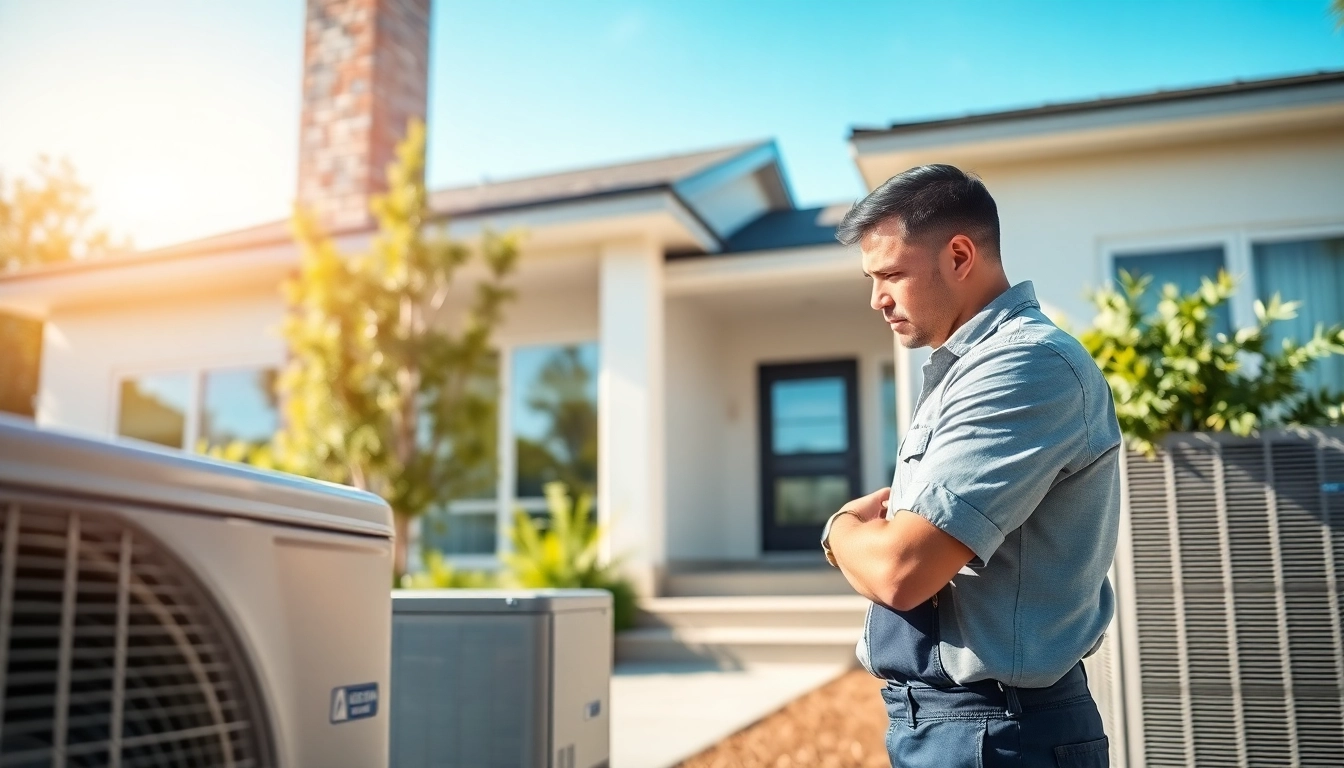
Introduction to American Standard Heat Pumps
When it comes to heating and cooling solutions for your home, efficiency and reliability are paramount. That’s where american standard heat pumps come into play. These systems not only regulate temperatures but also significantly reduce energy consumption, making them an attractive choice for many homeowners. In this comprehensive guide, we'll explore various aspects of American Standard heat pumps, including their types, benefits, installation considerations, and maintenance tips.
What are Heat Pumps?
Heat pumps are devices that transfer heat from one place to another, utilizing a refrigeration cycle to provide both heating and cooling functionality. They work by extracting heat from the air, ground, or water, and moving it into your home during colder months, or vice versa in the warmer months. This versatility is one of the reasons heat pumps have gained popularity as a climate control option in residential settings.
Benefits of Choosing American Standard Heat Pumps
- Energy Efficiency: American Standard heat pumps offer high Seasonal Energy Efficiency Ratios (SEER) and Heating Seasonal Performance Factors (HSPF), ensuring lower energy bills.
- Environmentally Friendly: Utilizing electricity rather than fossil fuels, these heat pumps contribute to reducing greenhouse gas emissions.
- Durability: Known for their robust construction, American Standard systems have a long lifespan and typically require less maintenance than other heating systems.
- Versatile Solutions: They can be used for both heating and cooling, making them suitable for any climate.
- Comfort Control: American Standard systems often include advanced technology that optimizes comfort levels, maintaining consistent indoor temperatures.
Key Features to Look For
When selecting an American Standard heat pump, it’s essential to consider certain features:
- Variable Speed Technology: This feature allows the heat pump to operate at different speeds, providing enhanced comfort and efficiency.
- Smart Thermostat Compatibility: Systems that can integrate with smart thermostats are more convenient as they allow remote control and programming for optimal energy management.
- Durable Components: Look for units with advanced materials that resist corrosion and wear over time.
- Quiet Operation: Many models emphasize reduced noise levels, which enhances comfort during operation.
- Warranty Coverage: Comprehensive warranty offerings can provide peace of mind regarding future repairs.
Understanding Heat Pump Types
Heat pumps can be categorized into several types based on their energy source and operational design. Each type has specific benefits and applications suitable for different needs and environments.
Air Source Heat Pumps
Air source heat pumps are the most common type found in residential settings. They extract heat from the outdoor air and transfer it indoors. During the summer, they work in reverse, expelling heat from inside to the outside. Key advantages of air source heat pumps include:
- Lower Initial Costs: Typically less expensive to purchase and install compared to geothermal systems.
- Simple Installation: Requires minimal changes to your home’s infrastructure.
- Year-Round Comfort: Provides both heating and cooling, making it versatile for seasonal changes.
Geothermal Heat Pumps
Geothermal heat pumps, also known as ground-source heat pumps, leverage the constant temperature of the Earth for heating or cooling. They are installed underground, where the temperature remains stable. The benefits of geothermal heat pumps include:
- Energy Efficiency: These systems typically achieve higher efficiency ratings, leading to lower energy costs over time.
- Longer Lifespan: Geothermal pumps usually have a longer lifespan compared to air-source systems due to less exposure to environmental elements.
- Low Environmental Impact: Operate using renewable energy sourced from the earth's heat, resulting in a smaller carbon footprint.
Common Applications of Each Type
The application of the two main types of heat pumps can vary based on geographic location, climate, and specific homeowner needs.
- Air Source Heat Pumps: Ideal for moderate climates where extreme temperature variations are less common. They are commonly employed in residential homes in urban areas where space is limited.
- Geothermal Heat Pumps: Best suited for areas with colder winters and hot summers, particularly in rural areas where land is available to install the necessary underground loops.
Installation Considerations for American Standard Heat Pumps
Installing a heat pump requires careful planning and consideration to ensure optimal performance and efficiency.
Choosing the Right Location
The location of your heat pump installation is critical for overall efficiency and effectiveness. Factors to consider include:
- Accessibility: Ensure the unit is easily accessible for maintenance and service.
- Distance from Heat Sources: Place the heat pump away from heat-producing appliances and direct sunlight to avoid performance issues.
- Noise Considerations: Select a location that minimizes noise disturbances for both indoor and outdoor installations.
Hiring Qualified Professionals
Engaging certified professionals for installation is essential to guarantee the system works correctly and efficiently. Look for:
- Experience and Licensing: Verify their credentials and ensure they have a solid track record in heat pump installations.
- Customer Reviews: Investigate past customer experiences to gauge reliability and quality of service.
- Insurance and Warranty: Ensure the professionals are insured and provide warranties on their work.
Permits and Regulations
Before installing a heat pump, check local regulations and acquire necessary permits to avoid potential legal issues. Understanding specific zoning laws, building codes, and environmental regulations is crucial for compliance.
Maintenance Tips for Longevity
Routine Checks and Services
Performing regular inspections can help identify potential problems early. Key areas to check include:
- Filters: Clean or replace filters every few months to maintain air quality and efficiency.
- Refrigerant Levels: Ensure that the refrigerant levels are adequate for optimal functioning.
- Drainage System: Regularly inspect and clear any debris from drainage lines to prevent water damage.
Troubleshooting Common Issues
Be aware of common heat pump issues such as insufficient heating or cooling, unusual noises, or higher energy bills. Some quick fixes might include:
- Adjusting Thermostat Settings: Ensure the thermostat settings align with your comfort needs.
- Checking Circuit Breakers: Tripped breakers may prevent the system from operating.
- Inspecting Ductwork: Leaks in ductwork can drastically affect efficiency; sealing these can improve performance.
When to Call a Professional
Some situations require expert intervention. Call a professional if you encounter:
- Persistent Performance Issues: If problems persist after routine checks, further investigation may be necessary.
- Strange Noises: Unusual sounds indicate mechanical issues that need professional assessment.
- Refrigerant Leaks: Handling refrigerants requires specialized knowledge and equipment.
FAQs About American Standard Heat Pumps
How Energy Efficient Are American Standard Heat Pumps?
American Standard heat pumps often achieve high SEER and HSPF ratings, indicating superior energy efficiency and lower operating costs.
Can I Install a Heat Pump Myself?
While some homeowners may attempt DIY installations, hiring a qualified professional ensures optimal performance and adherence to local codes.
What Is the Average Lifespan of a Heat Pump?
The average lifespan of a heat pump ranges from 15 to 20 years with proper maintenance and care.
How Do I Choose the Right Size?
Choose a heat pump that fits your home’s square footage, taking insulation quality and local climate into account to ensure efficiency.
What Are the Common Noise Levels of Heat Pumps?
Modern heat pumps are designed to operate quietly, typically emitting noise levels comparable to a refrigerator, around 50-60 decibels.