Understanding Dining Tables: Types and Uses
Dining tables serve as the epicenter of gathering in homes, a place for family meals, celebrations, and shared experiences. Their importance goes beyond mere functionality; they embody personal style and contribute to the overall aesthetic of your dining area. From contemporary to rustic, Dining tables come in varied styles, materials, and sizes, making them vital components to consider for any home design. This section will explore the various types of dining tables and their specific uses.
Different Styles of Dining Tables
When selecting a dining table, it's crucial to consider the style that resonates with your home’s overall design plan. Here are some common styles:
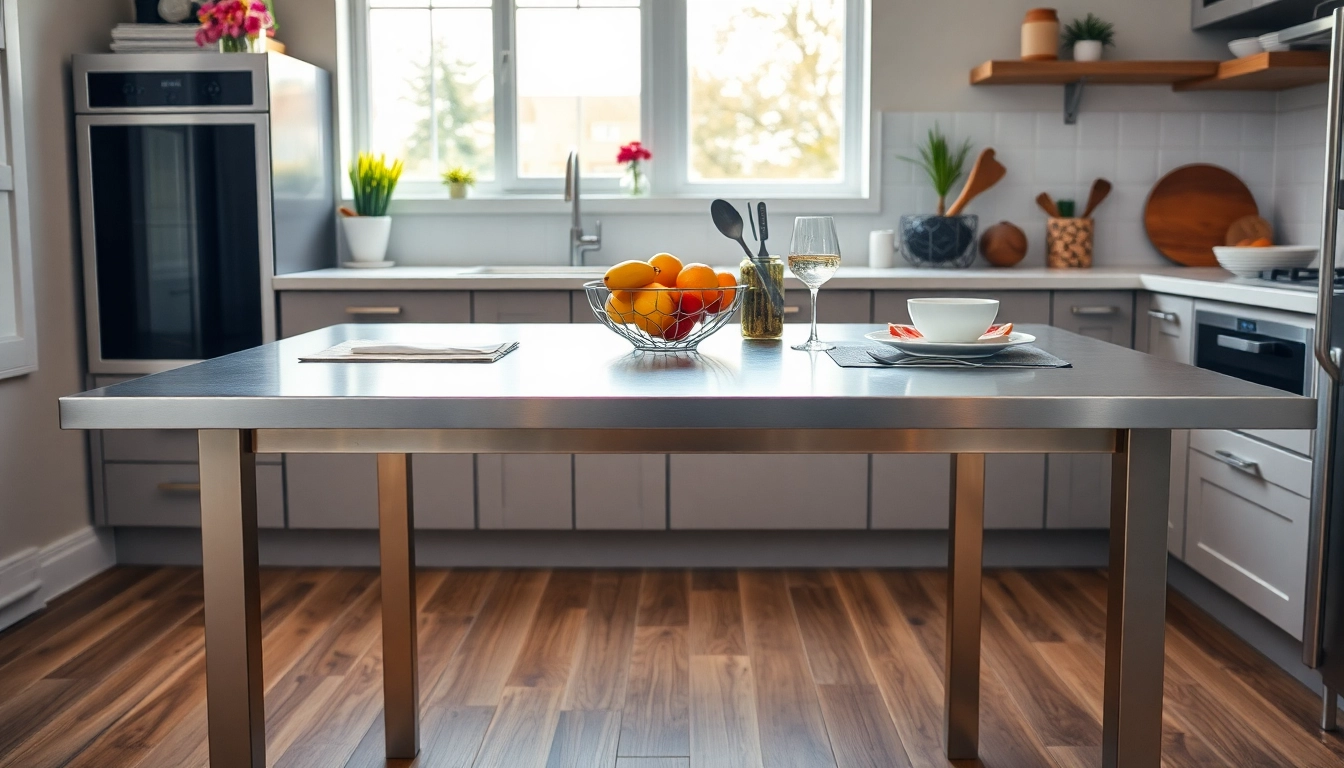
- Modern: Characterized by clean lines and minimal ornamentation, modern dining tables often utilize materials like glass and metal, creating an airy feel that is perfect for contemporary spaces.
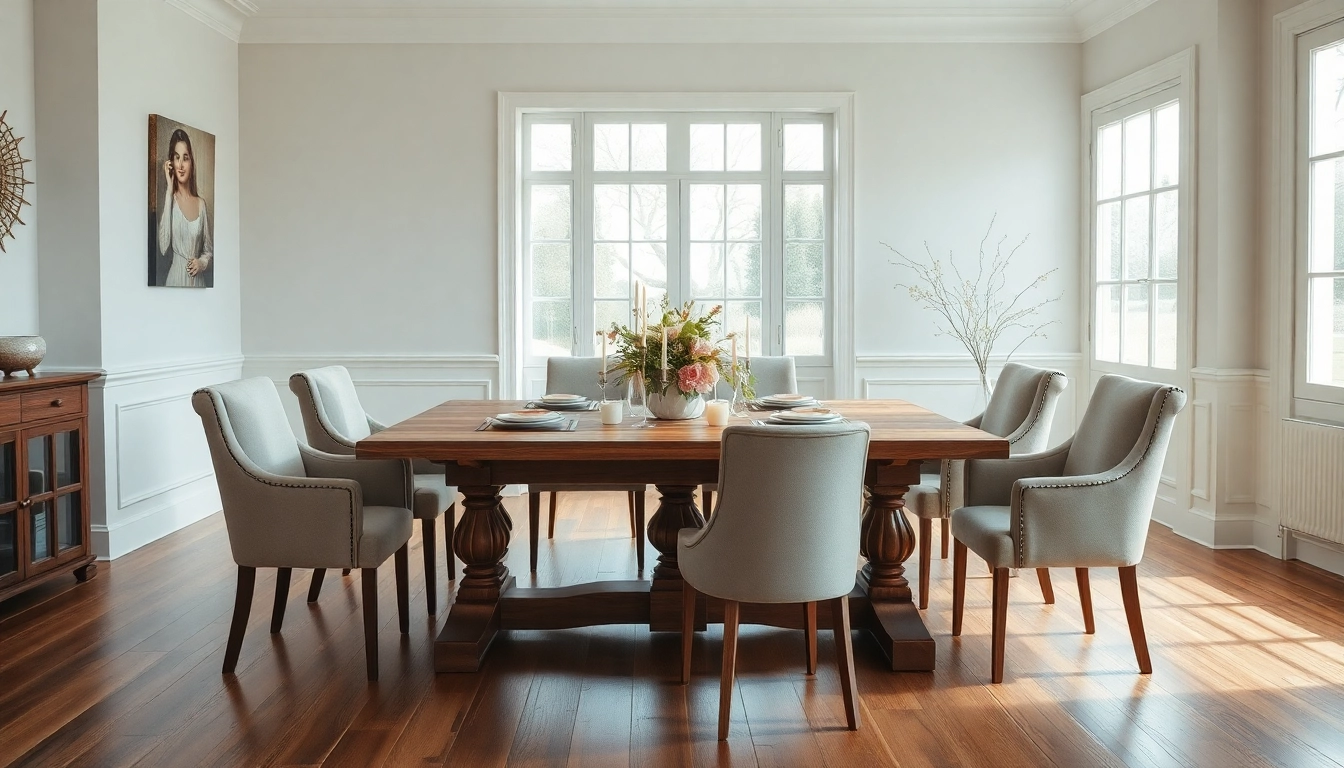
- Traditional: These tables often feature ornate designs, which may include intricate woodwork. A traditional dining table typically exudes warmth and elegance, often crafted from rich woods such as mahogany or walnut.
- Rustic: Rustic dining tables focus on natural beauty, emphasizing imperfections and textures that tell a story. Often made from reclaimed wood, these tables bring a cozy and inviting atmosphere to the home.
- Industrial: These tables blend metal with wood, creating a strong contrast that is both functional and trendy. They often evoke a sense of urban loft living.
- Farmhouse: Usually crafted from wood, farmhouse tables foster a sense of nostalgia with their large surfaces and sturdy construction, making them ideal for large family gatherings.
Common Materials Used for Dining Tables
The choice of material can dramatically affect the table's aesthetics, durability, and maintenance. Here's a rundown of popular choices:
- Wood: A classic choice, wood dining tables often offer a warm and inviting look. Solid hardwoods can last decades with the proper care.
- Glass: Reflecting light and adding a modern edge, glass tables can create a sense of openness and are easy to clean but require careful handling.
- Metal: Commonly used in modern and industrial designs, metal surfaces are incredibly durable and can be finished in various colors.
- Marble: Luxurious and elegant, marble dining tables elevate the dining experience. However, they may require more maintenance to prevent stains and scratches.
- Composite materials: These can mimic the appearance of wood or stone while often being lighter and more budget-friendly.
Choosing the Right Size for Your Space
Size is another critical consideration when selecting a dining table. The table must fit comfortably in the room without overcrowding other furniture. Here’s how to choose the right size:
- Measure Your Space: Establish a clear area in your dining room by marking out the dimensions on the floor or using tape.
- Consider Table Shape: Assess whether a rectangular, round, or square table will serve your space best. Round tables can save space in smaller areas, while rectangular tables are excellent for larger rooms.
- Account for Seating: Ensure enough clearance around the table for chairs; a minimum of 36 inches of space is generally recommended for comfortable movement.
Dining Tables for Every Design Preference
Finding the ideal dining table can enhance your dining space and match your personal style. Let’s delve into various styles further to help you identify the perfect piece for your home.
Modern Dining Tables: Clean Lines and Minimalism
Modern dining tables appeal to those who appreciate simplicity and functionality. These tables typically feature:
- Minimalist Design: With an absence of excessive decoration, modern tables focus on geometry and proportions.
- Innovative Materials: Many modern tables incorporate materials like stainless steel, tempered glass, and engineered wood for a sleek and sophisticated look.
- Neutral Palette: The color schemes tend to revolve around blacks, whites, and natural tones, enhancing the clean aesthetic.
Traditional Dining Tables: Classic Elegance
A traditional dining table is often the centerpiece of a formal dining area, known for its craftsmanship and intricate details:
- Ornamental Features: Expect to see elements like carved legs and intricate finishes.
- Rich Wood Finishes: The use of high-quality hardwood gives these tables a timeless character.
- Formality: These tables often prioritize round or rectangular shapes, focusing on symmetry and elegant proportions.
Farmhouse Dining Tables: Rustic Charm
Farmhouse dining tables evoke a comforting and nostalgic lifestyle with their inherent rustic appeal:
- Distressed Finishes: Many farmhouse tables feature a weathered or rustic look that imbues them with character.
- Large Surface Area: Often crafted to accommodate large family meals, these tables emphasize function and togetherness.
- Natural Materials: Typically made from reclaimed wood, they boast an organic aesthetic that enhances their charm.
Sustainable Choices for Dining Tables
As environmental awareness increases, many consumers seek sustainable dining table options. Not only do these choices reduce carbon footprints, but they also support local artisans and eco-friendly practices.
Eco-Friendly Materials and Their Benefits
Eco-friendly materials are a thoughtful investment. Here are a few options to consider:
- Bamboo: Rapidly renewable, bamboo is a sturdy and attractive material option that reduces deforestation pressure.
- Reclaimed Wood: Dining tables made from reclaimed wood not only tell a story through their imperfections but also promote sustainable practices by repurposing resources.
- Non-Toxic Finishes: Look for tables coated with water-based or organic finishes that do not emit harmful VOCs, ensuring a healthier indoor environment.
DIY and Repurposed Dining Tables
Creating your own dining table or repurposing existing furniture is an excellent way to express your individual style while supporting sustainability:
- Become Creative: Consider assembling your table from reclaimed materials or vintage finds, pairing different styles for a unique look.
- Community Workshops: Many local artisan shops offer workshops where you can build or refinish your table alongside experienced craftsmen.
Choosing Local Artisans for Your Dining Table
Selecting locally made dining tables not only supports community businesses but also reduces transportation-related carbon emissions:
- Customization: Local artisans often offer bespoke options, enabling you to personalize the size, style, and finish of your dining table.
- Quality Craftsmanship: Artisan-made tables typically emphasize quality, often made with better materials than mass-produced furniture.
Maximizing Functionality with Dining Tables
In addition to their aesthetic role, dining tables should serve practical purposes in everyday life. Here, we explore various ways to maximize functionality in your dining area.
Expandable Dining Tables for Small Spaces
Expandable tables offer versatility, especially for smaller homes & apartments:
- Mechanisms for Expansion: Options such as drop leaves, butterfly extensions, or removable center pieces allow for easy transformation to accommodate different numbers of guests.
- Space Efficiency: When not in use, expandable tables can minimize the unused floor space, making your dining area feel more spacious.
Multi-Functional Dining Tables: Beyond Meals
Contemporary dining tables often serve multiple functions, making them great investments:
- Table with Storage: Many modern designs come with built-in shelves or drawers, useful for storing dining essentials, placemats, or even board games.
- Workspace Potential: Tables large enough to double as a workspace can make your dining area more functional, especially for remote workers.
Storage Solutions for Limited Spaces
In compact living situations, consider these storage solutions:
- Ottoman Stools: As stylish seating options that can also store items, ottoman stools provide extra functionality.
- Benches with Hidden Storage: These can serve dual purposes, providing seating and a space to store extra dining supplies.
Caring for Your Dining Tables: Maintenance Tips
Ensuring that your dining table remains a centerpiece in the home requires proper care. Here are some essential maintenance tips:
Cleaning and Protecting Surfaces
Regular maintenance will extend the life of your dining table:
- Using the Right Products: Clean wood surfaces with a soft, damp cloth and avoid harsh detergents that could damage the finish.
- Table Liners: Consider using table runners or placemats to protect surfaces from heat and scratches during meals.
Preventing Scratches and Damage
To keep your dining table looking pristine:
- Avoid Sharp Objects: Always use cutting boards to prevent knife marks or scratches from occurring on the surface.
- Coasters are Essential: To prevent staining and moisture ring marks, employ coasters for drinks.
Repainting and Refinishing Dining Tables
When your dining table shows signs of wear, consider these options to refresh its look:
- Repainting: Sometimes, a simple coat of paint can rejuvenate a tired-looking table.
- Refinishing Wood: If your table is made of wood, consider sanding down the surface and applying new varnish for a like-new appearance.