
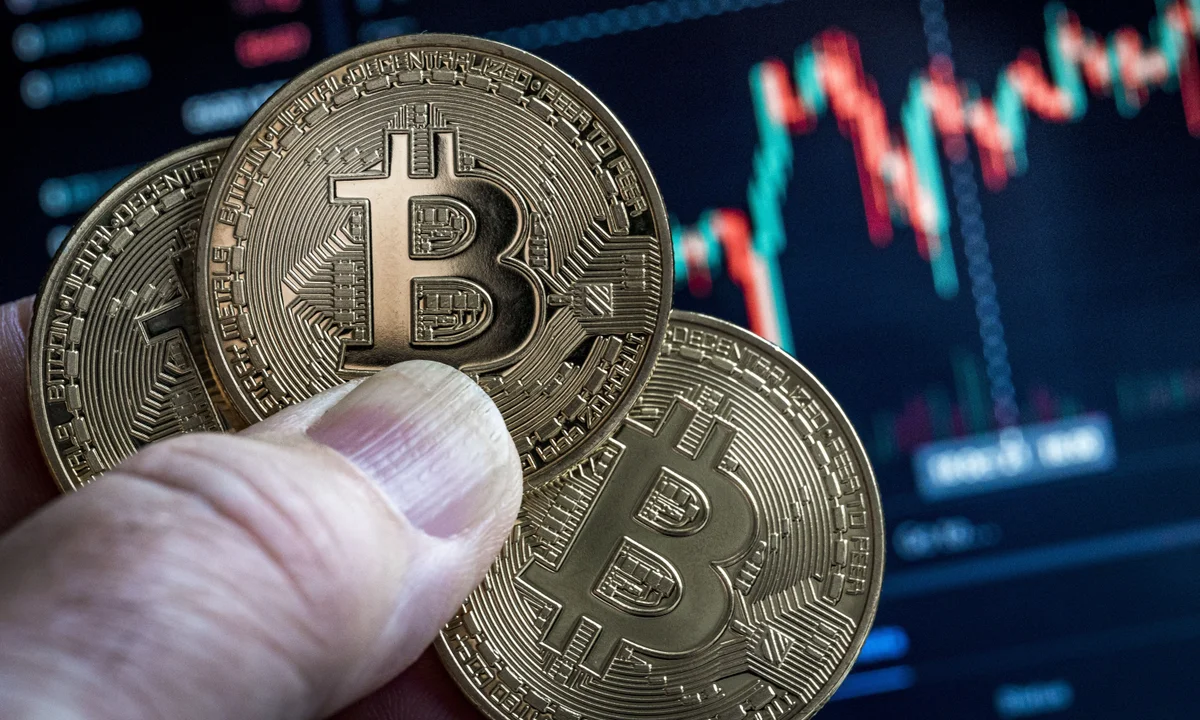
The Bitcoin NFT ecosystem is expanding rapidly, and with this growth comes a greater need for strong security practices. As traders, collectors, and creators continue building on Horizon Market, safeguarding digital assets has become one of the most important responsibilities in the space. A single mistake can lead to irreversible loss, making it essential to understand how to properly protect any Bitcoin NFT you acquire or trade. In 2025, security is no longer optional—it’s a core part of digital ownership.
Why Security Matters in the Bitcoin NFT Space
Bitcoin is known for its unmatched decentralization, but that doesn’t automatically guarantee personal asset safety. Each Bitcoin NFT is tied directly to your wallet, meaning you—and only you—are responsible for keeping that wallet secure. As more collectors enter the space, bad actors have become increasingly active. Strong security ensures the long-term safety, ownership integrity, and value of any Bitcoin NFT you hold.
The Irreversibility of Blockchain Transactions
Once a transaction is confirmed on Bitcoin, it cannot be reversed. If someone gains access to your wallet, your Bitcoin NFT can be transferred without any way to recover it. This reality makes security practices even more important.
Increased Value of Vintage and High-Rarity Assets
Rare early collections and culturally significant pieces are becoming more valuable. With prices rising, protecting each Bitcoin NFT becomes essential for long-term collectors.
Securing Your Wallet
Use a Hardware Wallet
One of the simplest and most effective ways to protect your Bitcoin NFT is by using a hardware wallet. These devices store private keys offline, making them inaccessible to hackers. When combined with trusted marketplace tools like Horizon Market’s secure trading systems, hardware wallets significantly reduce risk.
Enable Strong Passwords and Passphrases
Even with a hardware wallet, you need a powerful passphrase. Avoid common words, and never reuse passwords from other accounts. A strong passphrase ensures your Bitcoin NFT remains protected even if someone attempts to access your wallet.
Backup Your Seed Phrase Properly
Your seed phrase is the most important component in wallet recovery. Store it offline, secure it in multiple safe locations, and never share it with anyone. Anyone who holds your seed phrase can instantly take control of your Bitcoin NFT assets.
Avoiding Common Scams
Phishing Attacks
Fake websites, fraudulent links, and impostor accounts are designed to steal private keys. Always verify URLs before interacting with a marketplace or wallet. If a site claims to help you “recover” a lost Bitcoin NFT, it’s a scam—recovery is impossible.
Fake Airdrops and Giveaways
Scammers often promise free assets to trick users into connecting their wallets. Connecting your wallet to an unverified site can allow unauthorized transactions that drain your Bitcoin NFT holdings. Only trust official Horizon Market announcements and verified community channels.
Impersonators in DMs
Never share your seed phrase or wallet details. Scammers pretending to be support staff often ask for access to “help fix” an issue. No legitimate support team will ever need access to your wallet or seed phrase to keep your Bitcoin NFT safe.
Protecting Your Trades
Verify Collection Authenticity
Before buying or trading any Bitcoin NFT, verify its authenticity. Horizon Market provides creator verification, collection metadata, and rarity indicators that help ensure the asset is legitimate. Always double-check details before confirming a trade.
Use Trustless Trading Tools
Trading a Bitcoin NFT should never require blind trust. One-confirmation swaps and trustless trading systems remove counterparty risk by ensuring both sides of the trade are executed automatically and securely. This prevents scenarios where one party receives an asset but fails to send theirs.
Double-Check Receiving Addresses
It’s easy to mistype an address or copy a malicious one injected by malware. Always verify the receiving address before sending a Bitcoin NFT or signing a transaction.
Securing On-Chain Metadata
Maintain Verified Metadata Sources
Some collections rely on external metadata. Verified links ensure the information tied to your Bitcoin NFT remains accurate. If metadata is lost, damaged, or replaced by a malicious party, the asset’s integrity can be compromised.
Prioritize Collections with Strong On-Chain Standards
Standards like Counterparty and modern on-chain formats help ensure long-term preservation. Choosing well-built collections reduces the risk of metadata corruption, helping protect the cultural and financial value of each Bitcoin NFT.
Best Practices for Long-Term Collectors
Regularly Review Your Security Setup
The Bitcoin NFT space evolves fast. Updating firmware, rotating storage locations, and reviewing wallet permissions ensures your setup remains protected against new threats.
Use Dedicated Devices for Crypto
A device used for gaming or browsing random websites is more vulnerable to malware. Using a dedicated device for your Bitcoin NFT activity keeps your private keys safer.
Maintain Organized Records
Keep a secure record of the collections you own, purchase dates, transaction IDs, and marketplace receipts. If you ever need to verify ownership, these records are invaluable.
Conclusion
As the Bitcoin NFT ecosystem continues to grow, security remains one of the most critical aspects of collecting and trading digital assets. From hardware wallets and seed phrase management to scam prevention and trustless trading tools, each measure strengthens your protection against risks. With the right practices, every Bitcoin NFT you hold on Horizon Market can remain safe, verifiable, and secure for years to come.