Understanding Panel Slat Wall: A Comprehensive Overview
What Is a Panel Slat Wall?
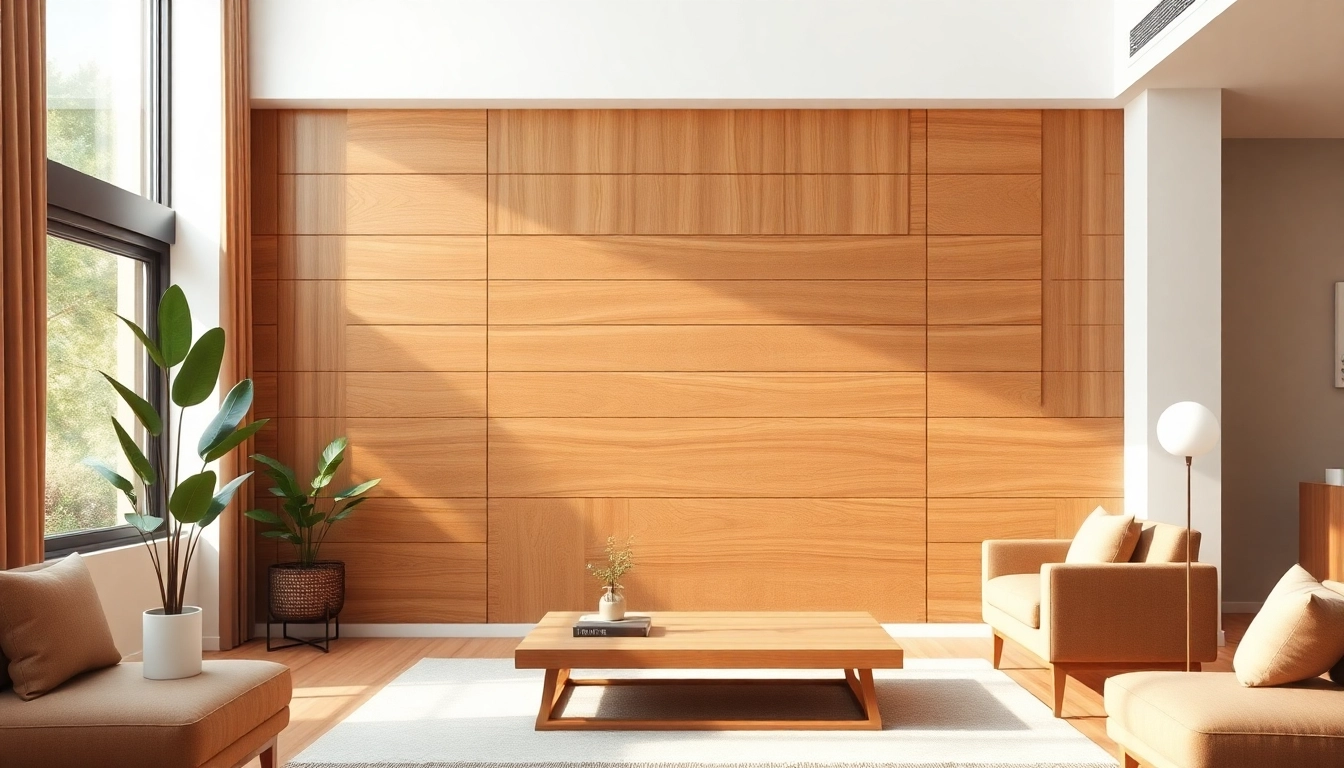
A panel slat wall is a versatile and functional wall system primarily used in both residential and commercial settings. It consists of horizontal or vertical slats that can be made from various materials such as wood, plastic, or metal, enabling the user to create customizable wall displays. The design allows for the easy positioning of shelving, hooks, and other accessories, making it an ideal choice for retail environments, offices, and home decor.
Materials and Styles of Panel Slat Wall
Panel slat walls come in different materials, the most common being:
- Wood: Provides a warm, natural appearance, offering both durability and aesthetic appeal.
- PVC: A lightweight and affordable option that is resistant to moisture, making it ideal for humid environments.
- Metal: Known for its strength and modern look, metal slats are often used in commercial spaces for industrial design.
Each material can be customized in terms of finish, color, and style to suit any decor or functional requirement. Whether you prefer a sleek, contemporary look or a rustic, traditional feel, there’s a panel slat wall option for you.
Benefits of Using Panel Slat Wall in Your Space
The advantages of installing a panel slat wall are numerous:
- Space Optimization: Panel slat walls maximize vertical space by allowing you to utilize a wall for storage or display, freeing up floor area.
- Flexibility: Easily customizable and reconfigurable, allowing for adjustments as needs change over time.
- Enhanced Aesthetics: Adds texture and dimension to walls, making spaces visually appealing while still being functional.
- Easy Installation: Most panel slat walls are designed for straightforward installation, often requiring minimal tools.
Designing with Panel Slat Wall: Tips and Ideas
Choosing the Right Location for Your Panel Slat Wall
Selecting the appropriate wall for slat panel installation is crucial for achieving both functional and aesthetic goals. Consider walls that:
- Are frequently viewed, such as those in entryways or living rooms.
- Can help delineate different areas within open spaces, like separating a kitchen from a dining area.
- Have enough structural support for installation, especially if heavy items will be hung.
Integrating Colors and Textures
When designing your space, integrating various colors and textures with your panel slat wall can enhance the overall appeal. Here are a few suggestions:
- Complementary Colors: Use colors that match or contrast with the existing color palette to create a cohesive look.
- Textures: Combine smooth panel slats with textured decorations or lighting to add depth and interest.
- Accent Features: Consider including backlighting or artwork to draw attention to the panel wall.
Combining Panel Slat Wall with Other Design Elements
A panel slat wall can be successfully integrated with various design elements:
- Furniture: Use it as a backdrop for shelving units or tables, promoting both functionality and style.
- Lighting: Install wall-mounted lights to enhance the visual appeal and functionality of the space.
- Decorative Items: Incorporate hooks or shelving for displaying plants, art, or personal items to personalize the area.
Installation of Panel Slat Wall: A Step-by-Step Guide
Preparation and Tools Needed
Before diving into the installation process, ensure that you have the right tools and materials on hand:
- Tools: Level, drill, stud finder, hammer, measuring tape, and safety goggles.
- Materials: Panel slat wall boards, mounting brackets, screws, and any hanging accessories.
Prepare the wall surface, ensuring it is clean, dry, and free from any obstructions.
Installation Process Explained
- Begin by marking your desired height on the wall using a level to ensure a straight horizontal line.
- Locate the studs in the wall to secure the panel slats. Mark these positions on your level line.
- Attach the mounting brackets first using screws at the stud marks.
- Carefully position your panel slat boards onto the brackets and secure them as instructed.
- Ensure they are flush against the wall and level, making adjustments as necessary.
Common Mistakes to Avoid During Installation
When installing a panel slat wall, pitfalls can hinder the project:
- Improper Measurements: Always measure twice to avoid cutting panels incorrectly.
- Neglecting Studs: Not using studs can lead to instability; secure panels properly.
- Overloading Panels: Be mindful not to exceed the weight limits of the slat wall to prevent damage.
Maintenance and Care for Your Panel Slat Wall
Cleaning Techniques for Longevity
Regular maintenance ensures that your panel slat wall remains attractive and functional:
- Dust the panels regularly using a microfiber cloth to prevent dirt buildup.
- For wood panels, use appropriate wood cleaners and a soft cloth to preserve the finish.
- PVC and metal panels can be wiped down with mild detergent and water for thorough cleaning.
Repairing Damage and Wear
Worn or damaged panels can be easily repaired:
- Minor scratches on wood slats can often be touched up with wood filler or stain.
- PVC panels can be replaced entirely if they become heavily damaged; inspect them periodically.
- Ensure all fixings are secure and replace any broken hooks or shelving as needed.
Enhancing Durability with Proper Care
To extend the lifespan of your panel slat wall:
- Apply wood sealant to protect against moisture and wear.
- For heavy-duty installations, consider reinforcing brackets for added support.
- Monitor for signs of wear, addressing them promptly to avoid larger issues.
Popular Uses and Applications for Panel Slat Wall
Residential Spaces: Living Rooms and Kitchens
Panel slat walls can serve various functions within a home setting:
- In living rooms, they can display art or photos, accentuating the decor.
- In kitchens, they can hold utensils or spices, keeping items accessible and organized.
Commercial Applications: Retail and Offices
Businesses often utilize panel slat walls for :
- Retail merchandising, letting items be showcased effectively while maximizing spacing.
- Organizing office supplies or tools in work environments, enhancing productivity.
Creative Uses: DIY Projects and Custom Designs
DIY enthusiasts can utilize panel slat walls in innovative ways:
- Creating custom shelving units tailored for specific needs or spaces.
- Fostering unique designs involving colors and patterns to create stunning visual displays.
FAQs About Panel Slat Wall
What are slat wall panels made of?
Slat wall panels can be constructed from various materials, including wood, PVC, and metal, each providing distinct characteristics suited for different environments.
Are slat wall panels durable?
Yes, slat wall panels are highly durable. Their longevity depends on the material and proper installation; materials like wood and metal offer excellent strength and stability.
How do I install a panel slat wall?
Installing a panel slat wall involves measuring, securing brackets to studs, hanging the panels, and ensuring they are level and stable before use.
Can I paint or decorate slat wall panels?
Absolutely! Wood panels can be painted or stained, while PVC panels can be customized with self-adhesive vinyl wraps for a personalized touch.
Do slat wall panels require maintenance?
Yes, regular cleaning and inspection for signs of damage are recommended. Proper maintenance will help prolong the lifespan and maintain appearance.