
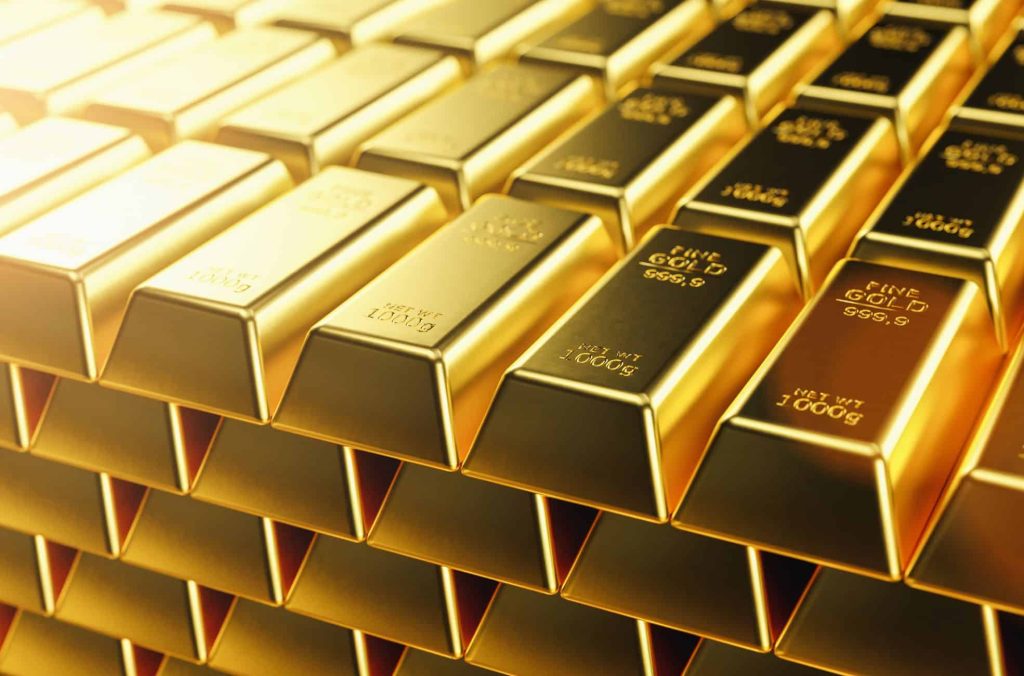
Understanding Gold Price in Australia
The gold price in Australia has long been a topic of significant interest, spurred by fluctuating global markets and investor behaviors. Tracking the gold price in australia is critical for both individual and institutional investors, as it can affect diverse financial strategies and economic stability. Understanding what influences these prices and how they interact with broader market metrics can empower investors to make informed decisions.
What Determines Gold Price Fluctuations?
The price of gold is influenced by various factors, including supply and demand dynamics, interest rates, currency fluctuations, and geopolitical stability. Increased demand for physical gold often results from economic uncertainty or inflationary pressures, while supply changes can stem from mining output or central bank gold reserves.
In Australia, the strength of the Australian dollar (AUD) plays a direct role in how gold prices are perceived. Conversely, when the dollar weakens against other currencies, the buying price of gold can rise. The interdependencies of these factors create nuanced price movements that can shift dramatically in short periods, affecting the strategies employed by gold investors.
Importance of Tracking Gold Price in Australia
Investors in Australia need to monitor the gold price closely for several reasons:
- Wealth Preservation: Gold is often seen as a hedge against inflation and currency depreciation, making it a valuable asset for wealth preservation during tumultuous economic periods.
- Investment Diversification: Including gold in an investment portfolio can diversify risk, balancing out the volatility from stocks and bonds.
- Market Timing: Monitoring price fluctuations can facilitate strategic buying or selling decisions, maximizing returns based on market conditions.
Key Metrics Influencing Gold Price
The key metrics that significantly influence gold prices include:
- Global Economic Conditions: Economic downturns typically boost gold prices as investors flock to safety.
- Interest Rates: Low interest rates decrease the opportunity cost of holding gold, pushing prices higher.
- Market Demand: Jewelry, industrial applications, and investment demand all impact gold prices.
Current Market Analysis
Gold Price Trends Over Time
Analyzing historical data on the gold price in Australia reveals persistent trends where price spikes correlate with global economic events. Previous financial crises have sent prices soaring as safe-haven demand increased. Long-term charts indicate that while there have been significant dips, generally the trajectory is upward, reflecting ongoing global economic unpredictability.
Recent Developments Impacting Gold Price
Recent economic policies, including monetary policy adjustments and trade tensions, have impacted the gold market. For instance, the U.S. Federal Reserve’s monetary decisions often ripple across global markets, including Australia, influencing gold prices. Additionally, geopolitical unrest can trigger surges in gold demand, as investors seek stability amidst uncertainty.
Comparative Analysis with Global Markets
When analyzing the gold price in Australia, it’s crucial also to assess its relationship with global gold prices. The Australian market often mirrors price trends observed in other currency zones, yet local factors such as export demand and AUD valuation provide unique deviations. Comparing historical data with global benchmarks offers insights into whether Australian gold prices are overvalued or undervalued relative to foreign markets.
Investment Strategies Involving Gold Price in Australia
Gold as a Safe-Haven Asset
Gold is traditionally perceived as a safe-haven asset during financial crises. Investors often allocate capital to gold in times of economic instability. Its historical performance during markets crashes has enticed investors to use it as a stabilizing agent in their portfolios.
Mining Stocks vs. Physical Gold
Investors generally face the choice of investing in physical gold or gold mining stocks. Physical gold offers tangible ownership, whereas mining stocks can leverage operational efficiencies and higher potential returns. However, mining stocks are often subject to additional risks due to operational challenges and management decisions, making physical gold a more straightforward investment.
Diversifying Portfolios with Gold
Diversifying portfolios with gold involves allocating a portion of investments to gold and precious metal assets. This strategy mitigates risks from stock market fluctuations, serving as a buffer that can preserve capital during downturns and enhance overall portfolio performance. Tactical shifts in allocation can be made based on market conditions to optimize returns.
Buying and Selling Strategies for Gold
Where to Buy Gold at Competitive Prices
Investors looking to buy gold should explore reputable dealers and online platforms offering competitive rates. It is critical to conduct thorough research, comparing prices and ensuring transparency in the pricing structure. Additionally, assessing the purity of gold is essential when making purchases, as higher purity typically corresponds with higher market value.
Understanding Gold Bullion Options
Gold bullion comes in several options, including bars, coins, and rounds. Investors should understand the benefits of each form—bullion bars often come with lower premiums, while coins like the Australian Kangaroo are recognized globally and enhance liquidity. Evaluating these options allows investors to align their purchases with their financial goals.
Reselling Gold: When and How
Selling gold requires clear strategic planning. Investors should decide the timing based on market conditions, ideally selling when prices peak. Establishing relationships with dealers who offer competitive buy-back prices can enhance profitability. Documenting the purchase history and possessing certification can significantly ease the selling process.
Frequently Asked Questions about Gold Price in Australia
What is the current gold price in Australia today?
The gold price in Australia fluctuates regularly, reflecting changes in global and local economic factors. As of now, it stands at approximately AUD $6,325 per ounce.
How is the gold price in Australia compared to previous years?
Over the past few years, the gold price in Australia has experienced significant fluctuations, often rising during economic uncertainty but dipping during periods of stability. Historical trends show a general increase in value.
What are the tax implications of buying gold in Australia?
In Australia, gold purchases may be subject to GST; however, investments in gold bullion of a certain purity are often exempt. It is advisable to consult a tax professional for specifics.
Is investing in gold safe during economic downturns?
Yes, gold is typically viewed as a safe investment during economic downturns due to its status as a hedge against inflation and currency risk. However, market conditions can still lead to price volatility.
Where can I track live updates on the gold price in Australia?
Live updates on the gold price in Australia can be tracked through financial news websites, dedicated commodity trading platforms, and various mobile applications that provide real-time information.