
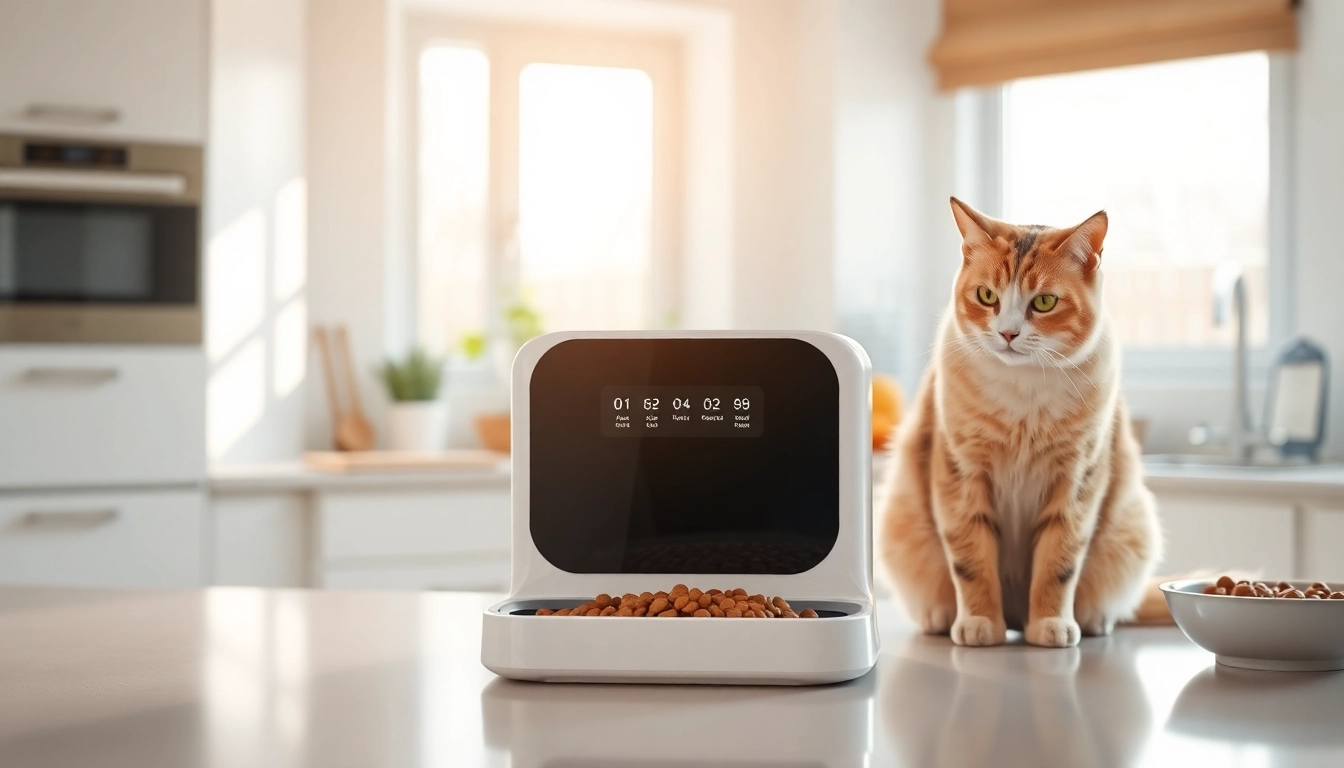
Understanding Automatic Cat Feeders
What is an Automatic Cat Feeder?
Automatic cat feeders are innovative devices designed to dispense food at predetermined intervals, ensuring that your feline friends are fed on a set schedule without the need for constant manual intervention. These feeders can accommodate various types of cat food, including dry and wet options, depending on the model. They eliminate the worry of overfeeding and help maintain a healthy diet by delivering the right portions at the right times. In essence, they offer a convenient solution for busy pet owners or those who travel frequently. A well-designed automatic cat feeder can contribute to a smooth feeding routine while allowing pet parents to keep a close eye on their pets’ eating habits.
How Do Automatic Cat Feeders Work?
Automatic cat feeders operate through a combination of timers, sensors, and mechanical devices to dispense food. Most commonly, they feature a food storage container linked to a dispensing mechanism that releases a predetermined amount of food at specific times. Users fill the storage unit with food and set the desired feeding schedule through a built-in interface. Many modern models also come equipped with smart technology, allowing users to control feeding times and portions from a mobile app.
Some advanced automatic feeders utilize smart sensors to detect the presence of a food bowl and can adjust the serving size according to a pet’s eating patterns. Features like voice recorders for feeding prompts, infrared sensors for detecting when a pet approaches the feeder, and alarms to signal low food levels enhance convenience and functionality.
The Benefits of Using Automatic Cat Feeders
The implementation of automatic cat feeders comes with an array of benefits tailored to improve the feeding experience for both cats and their owners:
- Consistency in Feeding: Automatic feeders ensure that your cat receives regular meals even when you’re busy or away from home, promoting consistent dietary habits.
- Portion Control: Many feeders allow owners to program precise portion sizes, helping to prevent overfeeding and obesity-related health issues.
- Convenience: For busy pet owners, setting up an automatic feeder saves valuable time, allowing for greater flexibility in daily routines.
- Dietary Management: Ideal for cats on special diets, these feeders can be programmed to dispense specific amounts of food based on veterinary recommendations.
- Peace of Mind: Knowing that your cat will be fed on schedule can alleviate worries when you’re away, whether for work or travel.
Choosing the Right Automatic Cat Feeder
Key Features to Look For
The market for automatic cat feeders is booming, with a plethora of options to choose from. Selecting the right one can depend on various factors tailored to your specific needs and those of your pet. Here are key features to contemplate:
- Programmable Timers: Look for feeders with multiple feeding schedules, allowing for optimal flexibility.
- Food Capacity: Ensure the feeder can hold enough food to minimize refills—especially beneficial for those with multiple cats.
- Portion Control: The ability to set specific serving sizes can help maintain your cat’s health.
- Material Durability: Choose feeders made from high-quality, food-safe materials for safety.
- Smart Features: Consider models with app connectivity, cameras, and alerts for added convenience.
Comparing Types of Automatic Cat Feeders
There are several types of automatic cat feeders available, each with specific functionalities. Here’s a breakdown of popular categories:
- Gravity Feeders: These rely on gravity for dispensing food as levels drop. They are simple but lack precise portion control.
- Timed Feeders: These can be programmed to dispense predetermined amounts of food at set times, making them ideal for structured feeding.
- Smart Feeders: Advanced feeders that connect to smartphones for remote feeding management, real-time alerts, and monitoring eating habits.
- Microchip Feeders: These activate only for specific pets, preventing food theft among multiple animals, which is ideal for multi-pet households.
Reading Reviews and Recommendations
Before settling on an automatic cat feeder, it’s essential to consult customer reviews and expert recommendations. Look for platforms where users have rated their experiences, focusing on reports about reliability, ease of use, and how well the feeder accommodates different types of food. Websites and forums dedicated to pet care can offer insights and highlight top-rated models, helping you make an informed decision.
Setting Up Your Automatic Cat Feeder
Installation and Configuration Tips
Once you’ve selected your automatic cat feeder, proper installation and configuration are crucial to ensure optimal performance:
- Start by reading the manufacturer’s instructions carefully to understand the assembly and setup.
- Choose a stable surface for placement to prevent tipping or spills; ensure it’s accessible to your cat.
- Fill the food storage compartment with the appropriate cat food, ensuring it’s suitable for your pet’s dietary needs.
- Set up the timer and portion controls as per your cat’s feeding schedule to establish a routine.
- Test the feeder to ensure it’s functioning correctly before relying on it fully.
Best Practices for Programming Meal Times
When programming meal times, consider your cat’s natural feeding patterns:
- Consider Your Cat’s Activity: Cats are generally more active in the early morning and evening, so schedule meals accordingly.
- Frequency: Depending on your cat’s age and lifestyle, three to four small meals may be more beneficial than one or two larger ones.
- Monitor and Adjust: Observe your cat’s eating habits and adjust the feeding schedule as needed, ensuring their needs are met.
Maintaining Your Automatic Cat Feeder
Regular maintenance will ensure the longevity and effectiveness of your automatic cat feeder:
- Clean the Feeder: Regularly clean the food bowl and storage compartment according to the manufacturer’s instructions.
- Check the Mechanism: Periodically test the dispensing mechanism to ensure it’s functioning properly and not jammed.
- Refill as Needed: Keep an eye on the food levels and refill before it runs out to maintain a consistent feeding schedule.
- Inspect for Damage: Regularly check for any damages or wear that may compromise its performance.
Potential Challenges with Automatic Cat Feeders
Common Issues and Troubleshooting
While automatic cat feeders streamline mealtime, they can also pose challenges. Knowing common issues and their troubleshooting solutions can help mitigate these problems:
- Feeder Jams: Food can sometimes get stuck, preventing it from dispensing. Regular cleaning and maintaining consistency with food types can help.
- Power Failures: For electric models, a power outage can affect functionality, so consider models with battery backups.
- Incorrect Portions: If the feeder is dispensing too much or too little food, recalibrating according to the manufacturer’s guidelines may be necessary.
- Connectivity Issues: For smart feeders, ensure Wi-Fi settings are correct and the app is updated for optimal performance.
When Not to Use an Automatic Cat Feeder
While many cats can benefit from automatic feeders, there are instances where they may not be the best solution:
- Behavioral Issues: If your cat exhibits food aggression or stealing behavior, a manual pet feeding routine may be preferable.
- Health Concerns: Cats with specific dietary needs or health conditions that require close monitoring should be fed manually to ensure adherence to dietary restrictions.
- Not Suited for Picky Eaters: Cats that are selective about food may not adapt well to an automatic feeder that could dispense less desirable options.
Vets’ Opinions on Automatic Feeders
The veterinary community has varied opinions on automatic feeders. While they appreciate the convenience for busy pet owners, many vets caution against relying on them wholly. They recommend monitoring your cat’s health, dietary needs, and weight closely; automatic feeders do not substitute for regular check-ups and responsiveness to your pet’s changing needs.
The Future of Automatic Cat Feeding
Innovations in Cat Feeding Technology
The landscape of pet care technology is evolving rapidly. Automatic cat feeders are integrating advanced technologies designed to enhance user experience and cater to the needs of pets. Innovations such as:
- AI and Machine Learning: Some feeders can learn and adapt to your cat’s eating habits, adjusting portion sizes and feeding times automatically.
- Camera Integration: Pet owners can monitor their pets while they eat through real-time video feeds, providing peace of mind and ease of use.
- Health Monitoring: Advanced feeders analyze eating behaviors and trends, providing data on caloric intake that can be shared with your veterinarian for optimized health assessments.
Smart Features for Enhanced Pet Care
The future of automatic cat feeders doesn’t just stop at feeding capabilities. Many models are incorporating features that enhance pet care:
- Voice Interaction: Users can record messages to call their pets when it’s time to eat.
- Remote Monitoring: Smart feeding devices allow pet owners to monitor their cat’s food intake and set feeding schedules remotely through smartphone apps.
- Data Analytics: Advanced models offer detailed reports on feeding habits, activity levels, and health, empowering pet owners to make informed decisions.
Adapting to Your Cat’s Dietary Needs
As pets age or develop new health conditions, their dietary needs may change. Many automatic cat feeders can assist in this transition by:
- Customizable Portions: Allowing for gradual adjustments to caloric intake as advised by your veterinarian.
- Diet-Specific Options: Some feeders cater to specific food types, accommodating wet food or prescription diets enhancing the health of aging cats.
- Monitoring and Feedback: Providing analytics to track food intake, which can be crucial for managing conditions such as diabetes or obesity.