
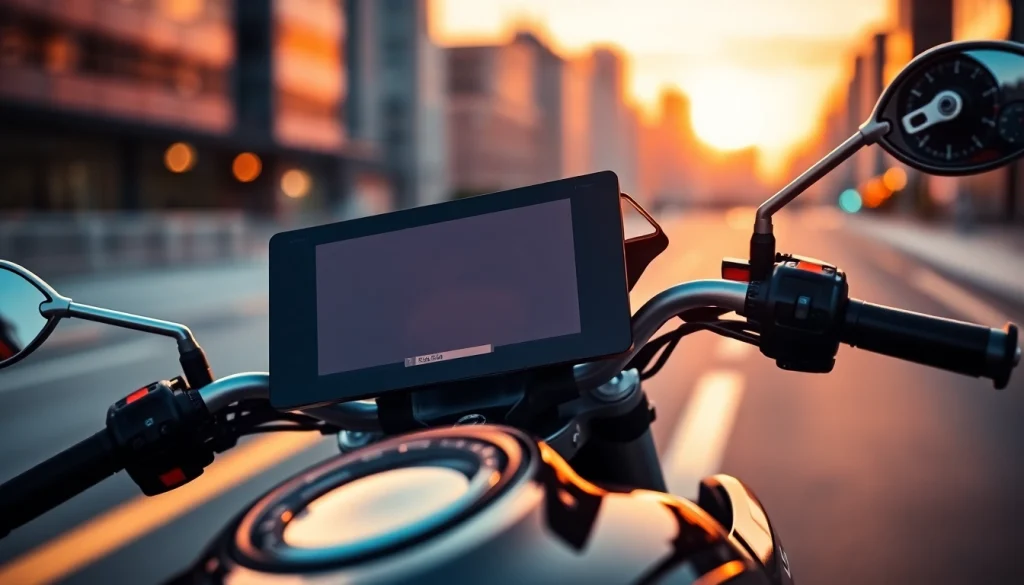
Understanding Motorcycle Screens and Their Functions
What is a Motorcycle Screen?
A motorcycle screen, also known as a windshield or fairing, is an essential accessory for riders looking to enhance their motorcycle’s functionality and their riding experience. Designed to fit various types of motorcycles, these screens serve multiple purposes, from improving aerodynamics to enhancing rider comfort. The primary function of a motorcycle screen is to protect riders from wind, debris, and adverse weather conditions, allowing for a safer and more enjoyable ride.
Moreover, a well-designed motorcycle screen can significantly improve the aesthetic appeal of a bike. It acts as a barrier between the rider and the wind, reducing fatigue during long rides. Riders can choose from a variety of screens tailored for different riding styles, such as touring, sport, or off-road motorcycles.
Types of Motorcycle Screens
Motorcycle screens come in various styles and materials, each suited to specific riding needs and preferences. Here are the primary types of motorcycle screens to consider:
- Full Screens: These screens offer comprehensive protection and are typically taller, providing coverage for both the rider and any passenger. They are best for touring motorcycles.
- Short Screens: Designed for sport bikes, these screens are shorter and often have a sleek, aerodynamic design. While they offer less wind protection, they enhance the bike’s sporty look.
- Adjustable Screens: Some riders prefer versatility, which is where adjustable screens come in. These screens can be raised or lowered to suit different conditions, making them a popular choice among long-distance riders.
- Bubble Screens: These are characterized by their curved design and concise height. They provide adequate wind protection while maintaining a sporty appearance.
- Aftermarket Screens: Customization is key for many motorcycle enthusiasts. Aftermarket screens are often designed to enhance aesthetics and may include materials or designs that offer better performance than stock screens.
Benefits of Using a Motorcycle Screen
The advantages of using a motorcycle screen are numerous, and they significantly impact the overall riding experience. Some of the key benefits include:
- Wind Protection: Reduces pressure on the rider’s body, decreasing fatigue on long rides.
- Improved Comfort: Shields the rider from cold winds and rain, enhancing overall comfort levels during different weather conditions.
- Enhanced Visibility: Many modern screens are made from high-quality materials that reduce distortion, providing clearer visibility.
- Aesthetics: Enhances the motorcycle’s visual appeal, contributing to a more polished look.
- Increased Safety: Provides a barrier against debris and insects, reducing the likelihood of accidents caused by distractions like rocks hitting the rider.
Key Features to Look for in a Motorcycle Screen
Clarity and Visibility
When selecting a motorcycle screen, clarity and visibility are paramount. Look for screens made from high-quality polycarbonate or acrylic materials, which are known for their optical clarity and scratch resistance. A clear screen helps prevent distortion, which can interfere with the rider’s ability to see the road and surroundings effectively.
Durability and Material Quality
Durability is another crucial factor to consider. A motorcycle screen should withstand harsh weather conditions and impacts from debris. High-quality materials not only enhance the screen’s longevity but can also prevent yellowing and cloudiness over time. Riding in various environments requires a screen that can adapt without compromising effectiveness.
Ease of Installation and Adjustment
The installation process should ideally be straightforward, allowing riders to easily attach or detach the screen as needed. Consider screens that come with clear instructions and all necessary mounting hardware. Adjustable options can enhance convenience, enabling riders to modify the screen’s position based on riding conditions.
Performance Metrics: How to Assess Your Motorcycle Screen
Wind Resistance and Aerodynamics
Monitoring wind resistance and the aerodynamics of a motorcycle screen is essential for optimizing performance. Enhanced wind resistance decreases drag and prevents wind buffeting that can lead to fatigue during long rides. Riders can assess performance through both direct riding experience and simulated testing methodologies to gauge improvements.
Impact on Riding Comfort
Riding comfort is often subjective but can be quantified by metrics such as pressure on the handlebars, body fatigue, and even back strain during and after rides. Riders should evaluate their comfort levels when using a motorcycle screen in various weather conditions to determine its effectiveness in improving their experience.
Technology Integration and Smart Features
The advancement of technology in motorcycle accessories has led to the integration of smart features into motorcycle screens. Some newer options may include built-in navigation systems, displays for speed and performance data, or connectivity with mobile devices. Riders looking for added functionality should consider how these features can enhance their riding experience.
Installation Guide for Motorcycle Screens
Tools Required for Installation
Installing a motorcycle screen may require basic tools to ensure a secure fit. Common tools needed include:
- A socket set or wrench
- Phillips and flathead screwdrivers
- Allen wrenches
- Torque wrench (if applicable)
- Cleaning cloth and soap (to clean the motorcycle surface before installation)
Step-by-Step Installation Process
Follow these steps for a successful installation of your motorcycle screen:
- Read Instructions: Begin by reviewing the manufacturer’s installation instructions.
- Prepare the Motorcycle: Ensure the area where the screen will be installed is clean and free from dirt or debris.
- Position the Screen: Hold the screen in place to determine the best mounting points.
- Install the Mounting Hardware: Secure the screen in place using the manufacturer’s provided hardware, tightening without overtightening to avoid cracking.
- Final Adjustments: Once installed, make any necessary adjustments for optimal position.
- Test the Fit: Take a short ride to ensure the screen is securely mounted and properly aligned.
Common Pitfalls and Solutions
Several issues can arise during the installation of a motorcycle screen. Here are some common pitfalls and how to solve them:
- Misalignment: If the screen appears crooked, loosen the screws and readjust the position before retightening.
- Noise and Vibration: Excessive wind noise can be caused by a poorly fitted screen, which may require repositioning or additional support.
- Damage to the Motorcycle: Be cautious during installation to prevent scratching the motorcycle’s bodywork.
Maintenance and Care for Motorcycle Screens
Cleaning Techniques and Recommendations
Maintaining your motorcycle screen ensures longevity and optimal performance. To clean, use a soft microfiber cloth and a gentle soap solution or a designated screen cleaner.
Avoid using glass cleaners or products that contain ammonia, as they can damage the screen’s material and diminish clarity over time. For stubborn spots or bugs, let the solution sit for a while before wiping, and always dry with a soft cloth to prevent streaks.
Protective Measures Against Scratches
Scratches can greatly affect visibility and aesthetics. To prevent scratches:
- Store carefully: Avoid placing objects against the motorcycle screen when parked or stored.
- Use a cover: Consider investing in a protective cover when the motorcycle is not in use.
- Apply film: Some riders apply protective film to guard against minor scratches.
When to Replace Your Motorcycle Screen
Understanding when to replace your motorcycle screen is crucial for maintaining safety and performance. Signs it may be time for a replacement include:
- Major Scratches or Cracks: If the screen is substantially scratched or cracked, visibility will be compromised.
- Poor Fit: If the screen no longer fits well due to wear and tear on mounting points, it is likely time for a new one.
- Yellowing or Cloudiness: Over time, some materials may degrade, leading to diminished optical clarity.