
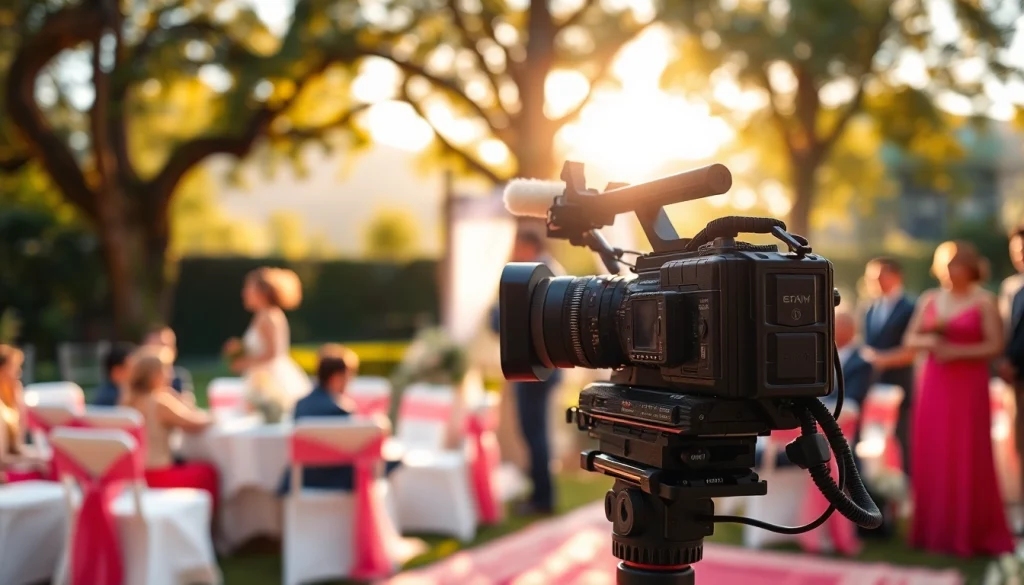
The Role of a Videographer: What You Need to Know
In an era marked by the ubiquity of video content, the role of a Videographer has emerged as a dynamic and essential profession. While the term may seem straightforward, it encompasses a wide range of responsibilities, skill sets, and creative opportunities. Whether working in corporate settings, event spaces, or producing narrative films, videographers capture visual stories that resonate with audiences. Understanding what it means to be a videographer is vital for those considering this career path.
Understanding Videographer Responsibilities
The responsibilities of a videographer extend beyond simply capturing footage. The role can be divided into several key phases:
- Pre-Production: This includes planning the shoot, conceptualizing ideas, scripting, and organizing logistics. Strong organizational skills are essential during this phase to ensure a smooth production process.
- Production: This phase involves operating the camera, managing lighting and audio equipment, and capturing the intended shots. Attention to detail is crucial, as every frame should be composed thoughtfully to tell a coherent story.
- Post-Production: After filming, the videographer handles editing tasks. This includes selecting the best footage, syncing audio, adding effects, and ensuring the final product aligns with the original vision.
Each phase of production requires a unique set of skills and approaches, making versatility one of the hallmark traits of an effective videographer.
Key Skills Required for a Successful Videographer
To excel in the field of videography, professionals need to develop a blend of technical and creative skills:
- Technical Proficiency: Understanding camera operation, lighting techniques, and audio capturing is essential. A successful videographer keeps up with advancements in technology to use equipment effectively.
- Creativity and Vision: A strong visual storyteller can translate concepts and emotions into compelling visual narratives. This often means having an eye for aesthetics and detail.
- Editing Skills: Mastery of video editing software enables videographers to assemble their footage cohesively, enhancing the story through pacing, transitions, and effects.
- Communication Skills: A videographer must work closely with clients and other professionals, ensuring that everyone is aligned on objectives and expectations.
- Problem-Solving Abilities: Issues may arise during filming or editing, requiring quick thinking and adaptability to find solutions without compromising quality.
These skills form the foundation upon which videographers build successful careers, allowing them to produce high-quality video content across various genres and formats.
The Importance of a Strong Portfolio
A strong portfolio is a videographer’s calling card. It showcases not only one’s technical skills but also creativity and uniqueness in storytelling. When curating a portfolio, consider the following:
- Diversity of Work: Including various types of projects—like weddings, corporate videos, and short films—can illustrate versatility to potential clients.
- Quality Over Quantity: Select your best work, ensuring each piece resonates well visually and narratively.
- Personal Projects: Showcasing personal projects can highlight creativity and passion, offering a glimpse of your artistic vision beyond client work.
Continuous portfolio updates with new projects can help capture attention in a competitive market, making it invaluable for career advancement.
Essential Tools and Equipment for Videographers
The right equipment can make or break a video project. Videographers must invest in the essential tools that suit their specific needs:
Cameras: Choosing the Right Gear
Choosing the right camera is one of the most important decisions for any videographer. Here are critical factors to consider:
- Type of Camera: Options vary from DSLR and mirrorless cameras to camcorders and cinema cameras. Each has unique features catering to different production styles and environments.
- Sensor Size: A larger sensor typically captures better quality video, particularly in low-light conditions. Understanding the implications of sensor size can guide your choice.
- Portability: Depending on the type of work, consider how portable your chosen camera needs to be, especially for event videography.
Well-known examples of popular videography cameras include the Canon EOS R series for their versatility and the Sony A7 series for their excellent low-light performance.
Audio Equipment Every Videographer Should Own
Video is only as good as its audio. Investing in quality sound equipment is non-negotiable. Key audio equipment for videographers includes:
- Microphones: Various types such as shotgun mics, lavalier mics, and handheld mics must be considered based on the filming environment.
- Audio Recorders: External audio recorders provide better quality recordings than typical camera audio input, allowing for clean and clear sound.
- Headphones: Good monitoring headphones help in assessing audio quality during recording.
Ensuring clear audio can elevate the overall production quality, making the investment in sound equipment worthwhile.
Editing Software: A Guide for Videographers
Post-production is where the raw footage truly comes to life. Choosing the right editing software can significantly affect the workflow:
- Adobe Premiere Pro: A versatile editing tool widely used in the industry, supporting various file formats and offering extensive editing capabilities.
- Final Cut Pro: This Mac-exclusive software is favored for its user-friendly interface and powerful tools, appealing to many video professionals.
- DaVinci Resolve: Known for its advanced color correction capabilities, this software has gained traction amongst editors looking to enhance their visual storytelling.
Familiarity with your chosen editing software is crucial; consider dedicating time to learn advanced features that could enhance your projects.
Breaking into the Industry: How to Become a Videographer
Transitioning into a videography career may seem daunting, but structured approaches can simplify the process:
Education and Training Options for Aspiring Videographers
Education can be a foundation for success in videography. Below are several approaches to gaining knowledge:
- Formal Education: Pursuing a degree in film, media, or communications can provide foundational knowledge and skills.
- Workshops and Courses: Enroll in workshops or online courses tailored to videography. These can offer hands-on experience and focused learning.
- Self-Taught Skills: Many successful videographers are self-taught, utilizing online resources, tutorials, and practice to hone their craft.
Regardless of the path taken, a commitment to continuous learning is essential in an ever-evolving industry.
Gaining Experience Through Freelance Work
Freelance opportunities are invaluable for emerging videographers seeking practical experience. Consider the following strategies:
- Start Small: Beginning with small gigs can build confidence and skills without overwhelming potential newcomers.
- Leverage Social Media: Platforms like Instagram and YouTube can showcase work, attract clients, and connect with other professionals.
- Offer Services for Free or at a Discount: In the initial stages, consider offering video services at a reduced rate or even for free to build a portfolio.
Experience gained from freelancing is often unparalleled, providing insight and practical knowledge that traditional education alone cannot.
Networking Strategies for Videographers
Networking plays a critical role in career growth for videographers. Here are effective strategies:
- Attend Industry Events: Participating in film festivals, workshops, or trade shows can facilitate valuable connections.
- Join Videography Communities: Engage with online forums, local meetup groups, and social media communities focused on videography.
- Collaborate on Projects: Collaboration with other creatives can broaden reach and lead to more significant opportunities through shared networks.
A proactive approach to networking can unlock new possibilities and projects.
Best Practices for Different Types of Videography
Videography is diverse, encompassing various specializations. Understanding best practices in different contexts can enhance effectiveness:
Wedding Videography: Capturing Emotional Moments
Wedding videography demands a specific approach to capture the day’s emotions and narrative:
- Preparation: Meeting with clients beforehand to understand their vision is crucial. Discussing preferred styles, must-capture moments, and timelines can provide clarity.
- Discretion: A wedding videographer must blend into the background to capture genuine moments without being intrusive.
- Storytelling: The final video should create a cohesive narrative of the day, combining key moments like vows, speeches, and celebrations.
Both technical skill and emotional intelligence come into play, allowing the videographer to deliver an impactful product.
Corporate Videography: Telling Business Stories
Corporate videography often aims to convey brand messages effectively. Here are best practices:
- Understanding the Audience: Knowing the target audience will help shape the video content and style, aligning with corporate branding.
- Clear Objectives: Defining the video’s purpose—from training content to promotional material—ensures focused and effective messaging.
- Professionalism: Maintaining professionalism in both appearance and the content produced is crucial for corporate clients.
Highlighting key messages clearly and engagingly supports successful corporate communication strategies.
Event Videography: Strategies for Success
Event videography, whether for concerts, conferences, or festivals, often requires adaptability in approach:
- Planning and Coordination: Discussing the event schedule with clients can help identify important moments that require attention.
- Multiple Angles: Capturing events from diverse angles provides a more comprehensive visual account of the proceedings.
- Quick Turnaround: Many events demand fast editing and delivery; ensuring a streamlined editing process can meet client expectations.
Effective event videography can elevate attendee experiences and provide a lasting record of meaningful occasions.
Measuring Success as a Videographer
Success in videography is not solely measured by the projects completed but also by the impact on clients and audiences. Establishing metrics for success can help guide progression:
Setting Goals and Tracking Progress
Establishing clear, measurable goals is key to personal and professional growth:
- SMART Goals: Setting Specific, Measurable, Achievable, Relevant, and Time-bound goals for projects can help keep track of progress.
- Regular Self-Assessment: Reflecting on completed projects and identifying areas for improvement enhances future efforts.
Tracking progress over time fuels motivation and highlights the journey toward professional mastery.
Client Feedback: Using Critiques to Improve
Feedback from clients serves as an essential tool for refinement:
- Structured Reviews: Requesting structured feedback can provide insights into clients’ perspectives, helping videographers understand strengths and weaknesses.
- Open Communication: Encouraging open communication fosters an environment where clients feel comfortable sharing their thoughts.
Utilizing feedback can guide adjustments and improvements for future projects, enhancing overall quality and client satisfaction.
Staying Updated with Industry Trends
The videography industry rapidly evolves, necessitating a commitment to staying informed on the latest trends and techniques:
- Online Resources: Following industry blogs, YouTube channels, and podcasts can provide valuable insights into emerging trends.
- Continued Education: Engaging in workshops, webinars, and trade shows allows videographers to learn new techniques and experiment with advancing technology.
Staying current can foster innovation and inspire creative approaches to storytelling in any videography project.