
Understanding Bed Bugs: Biology and Behavior
1.1 What Are Bed Bugs?
Bed bugs are small, reddish-brown insects that feed on the blood of humans and animals. They belong to the Cimicidae family, which includes several species, with Cimex lectularius being the most common in human habitats. Measuring approximately 4 to 5 millimeters in length, these pests are easily identifiable by their oval bodies and flat shape, which allows them to hide in tight spaces. Bed bugs are nocturnal creatures, coming out at night to feed while their hosts are asleep, which often leads to multiple bites unnoticed until morning.
1.2 Life Cycle of Bed Bugs
The life cycle of bed bugs consists of several stages: egg, nymph, and adult. Female bed bugs can lay up to 200 eggs in their lifetime, with each egg taking about 6 to 10 days to hatch. Once the eggs hatch, they enter the nymph stage, which involves five molts before reaching adulthood. Nymphs require blood meals to molt and grow, making them a persistent threat during this stage. Adults can live for several months to over a year, depending on conditions like temperature and availability of food, making effective control measures essential in preventing infestations.
1.3 Common Signs of Infestation
Detecting bed bugs early can prevent larger infestations. Common signs include:
- Visible bed bugs themselves, particularly in seams of mattresses and furniture.
- Small reddish-brown stains on bedding or furniture, often from bed bug excrement.
- Unpleasant, musty odors in areas with heavy infestations.
- Molted skins and eggshells that can be discovered in hiding spots.
Preparing for Bed Bug Treatment
2.1 Initial Steps Before Extermination
Before initiating treatment, it is crucial to assess the extent of the infestation. This assessment may involve:
- Conducting a thorough inspection of infested areas, including bedrooms, living rooms, and luggage.
- Identifying which areas are primarily affected, allowing for targeted treatment strategies.
- Consulting professionals for a detailed understanding of the situation and the recommended treatments.
2.2 Developing a Bed Bug Preparation Checklist
A well-constructed preparation checklist assists in streamlining the treatment process. Factors to include are:
- Removing clutter from affected areas to facilitate easier access for exterminators.
- Washing bedding, clothing, and curtains in hot water to eliminate eggs and nymphs.
- Sealing items in plastic bags to prevent bed bugs from spreading during treatment.
2.3 What to Expect During Preliminary Inspections
During a preliminary inspection, a pest control professional will:
- Examine commonly infested areas thoroughly to identify the scale of the problem.
- Discuss findings with you to agree on a suitable course of action.
- Schedule follow-up inspections as necessary to track the effectiveness of the treatment.
Effective Bed Bug Treatment Methods
3.1 Chemical Spray Treatments Explained
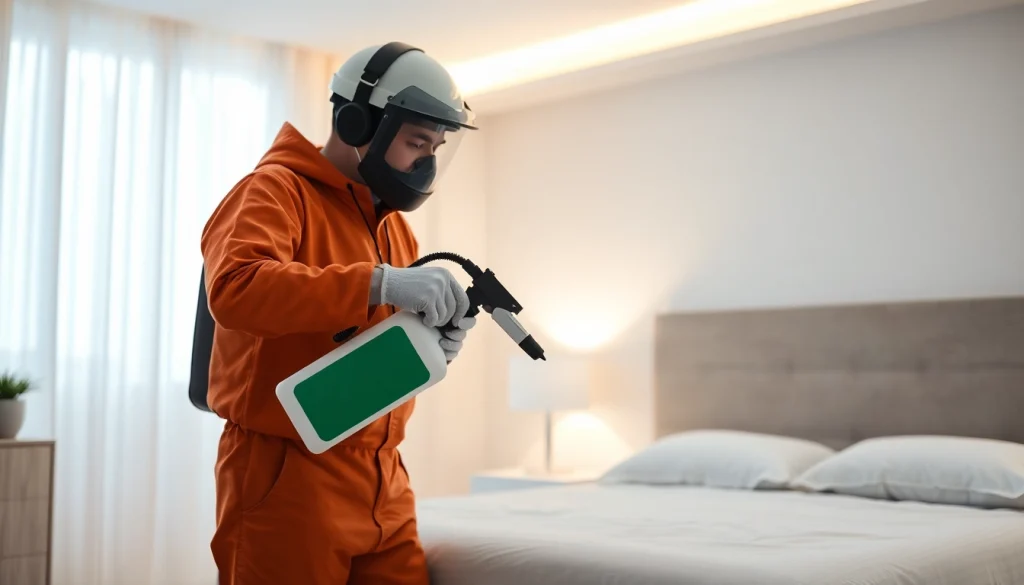
Chemical spray treatments involve using scientifically formulated insecticides that target bed bugs at various life stages. These sprays work effectively as part of a broader integrated pest management strategy, providing long-lasting protection when applied correctly. Key advantages include:
- Quick action to kill bed bugs upon contact.
- Penetration into hard-to-reach areas where bed bugs hide.
It is essential to follow safety guidelines during application, ensuring that residents and pets are kept away from the treated areas until the chemicals have dried completely.
3.2 Heat Treatments and Their Benefits
Heat treatments involve raising the temperature of infested areas to levels that bed bugs cannot survive, typically above 120°F (49°C). This method offers several benefits, such as:
- Elimination of all life stages of bed bugs within a single treatment cycle.
- Non-toxic and eco-friendly approach compared to chemical treatments.
However, heat treatments require specialized equipment and trained professionals to ensure effectiveness and safety.
3.3 Combination Treatment Strategies for Optimal Results
Implementing a combination of chemical and heat treatments can enhance efficacy in exterminating bed bugs. This approach ensures that any bed bugs that may survive one treatment method are likely to be eliminated by the other. Professional exterminators often utilize this strategy to achieve comprehensive results, which may include:
- Initial heat treatment to expedite bed bug elimination.
- Follow-up chemical treatments to provide lasting protection and detect any potential re-infestations.
Post-Treatment Bed Bug Prevention
4.1 Maintenance Tips After Extermination
Successful bed bug extermination does not end with treatment. Maintaining a bed bug-free environment entails constant vigilance. Important maintenance tips include:
- Regularly inspecting bedding and furniture for signs of bed bugs.
- Vacuuming carpets and upholstery frequently, discarding the vacuum bag immediately after.
- Ongoing monitoring with bed bug interceptors and traps placed strategically around sleeping areas.
4.2 Recognizing Re-Infestation Signs Early
Staying proactive can help mitigate the risk of re-infestation. Be aware of early warning signs such as:
- New or unexplained itchy bite patterns on the body.
- Small black spots indicating excrement in bed linens or mattress seams.
- Molted exoskeletons or live bugs during regular inspections.
4.3 Long-Term Prevention Strategies
To ensure long-term success in preventing bed bug infestations, consider implementing the following strategies:
- Encasing mattresses and pillows in protective covers to reduce the chances of infestations.
- Avoiding secondhand furniture unless thoroughly inspected and treated.
- Adopting a “no clutter” policy around the home to minimize hiding spots.
Frequently Asked Questions About Bed Bug Control
5.1 How Long Does Treatment Last?
The duration of treatment effectiveness varies based on the method used and the severity of the infestation. Chemical treatments can offer protection for several weeks, while heat treatments may provide longer-lasting results. Regular monitoring and maintenance are crucial for enduring success.
5.2 Are Treatments Safe for Pets and People?
Many modern bed bug treatments are designed with safety in mind, utilizing non-toxic and eco-friendly options. However, it’s vital to consult with pest control professionals regarding specific products to ensure safety protocols are followed for both pets and household members.
5.3 Can I DIY Bed Bug Treatment?
While some DIY methods may prove effective in controlling minor infestations, full extermination often requires professional assistance. Misuse of chemicals or heat methods can lead to inadequate treatment or even safety hazards. For effective and safe results, consider leveraging the expertise of specialists in pest control.
For comprehensive services and expert advice regarding bed bug extermination, visit https://affordablebedbugexterminators.com. By being proactive and informed, you can effectively combat and prevent bed bug infestations in your home.