
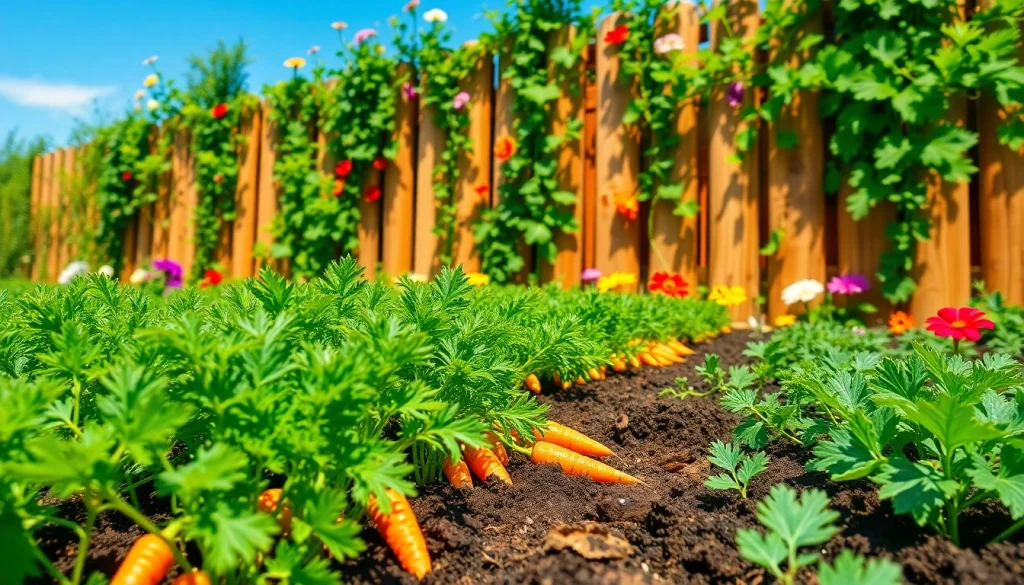
Getting Started with Gardening
Gardening is a fulfilling hobby that not only allows you to connect with nature but can also provide you with fresh produce and beautiful surroundings. Whether you’re a novice or looking to enhance your existing skills, embracing Gardening opens up a world of creativity and satisfaction. This guide will navigate through every aspect, from understanding your space to enjoying the fruits of your labor.
Understanding Your Gardening Space
The first step in successful Gardening is a thorough understanding of your gardening space. Every garden is unique; it has its own climate, soil type, and environmental conditions that affect what can be grown. Here are some key factors to consider:
- Sun Exposure: Most plants need a minimum of six hours of direct sunlight each day. Observe your garden throughout the day to see how sunlight moves and which areas receive the most light.
- Microclimates: Some areas may have distinct temperature variations due to nearby structures or bodies of water. Understanding these can help you choose the best plants for each location.
- Soil Quality: Testing your soil for pH and nutrient content is essential. This will guide you in amending soil to suitability.
- Space Limitations: Assess the size of your garden and consider vertical Gardening or container options if space is limited.
Choosing the Right Plants for Your Garden
Selecting plants that will thrive in your environment comes after evaluating your garden space. Here’s how you can make informed choices:
- Seasonality: Choose plants that are suitable for the current season. Spring and summer are generally favorable for veggies like tomatoes and peppers, while cool-weather crops include kale and carrots.
- Native versus Exotic: Native plants often require less care and are more resilient. Exotic plants can add diversity but may need more specialized care.
- Growth Size: Consider how large the plants will grow and their requirements. Companion planting can help maximize space by pairing plants that grow well together.
Essential Gardening Tools and Supplies
Investing in the right tools and supplies will make your gardening experience smoother and more enjoyable. Key tools include:
- Hand Tools: Trowels, transplanters, and weeding tools should be of high quality and comfortable to use.
- Gloves: Protect your hands while working with soil and plants.
- Watering Supplies: A good hose, watering can, or irrigation system can help maintain moisture levels in your garden.
- Fertilizers and Soil Amendments: Ensure you have organic options available to enhance soil health.
Soil Preparation and Planting
Importance of Soil Quality for Gardening
Soil is the foundation of any gardening endeavor. It holds nutrients, retains moisture, and provides anchorage for plant roots. Good soil quality is vital for successful Gardening. Key elements include:
- Soil Type: Different plants thrive in different soil types (sand, clay, loam). Loam is often considered ideal due to its balance of texture, drainage, and nutrient retention.
- Nutrient Content: Essential nutrients include nitrogen, phosphorus, and potassium. Soil tests can help you understand what your soil requires.
- Soil Structure: Good soil structure promotes healthy root growth. Incorporating organic matter like compost can enhance this.
Step-by-Step Guide to Planting Seeds
Once your soil is prepared, it’s time to plant your seeds. Here’s a step-by-step process to ensure successful germination and growth:
- Prepare Seedbeds: Loosen the soil using a rake or trowel, ensuring a smooth surface free of clumps.
- Sow Seeds: Follow the depth instructions on the seed packet carefully. Plant the seeds in rows or clusters based on their requirements.
- Water Gently: Use a fine spray to water the area immediately after planting without displacing the seeds.
- Label Rows: Keep track of what you’ve planted by labeling rows with plant names and dates.
- Maintain Moisture: Keep the soil consistently moist during the germination period.
Container Gardening: A Beginner’s Approach
For those with limited space or poor soil conditions, container Gardening offers a fantastic solution. Here’s how to start:
- Choosing Containers: Ensure that you have drainage holes in your containers to prevent waterlogging.
- Optimal Soil Mix: Use a lightweight potting mix that retains moisture yet drains well.
- Plant Selection: Dwarf varieties are often best for containers. Herbs, lettuce, and cherry tomatoes adapt well.
- Location: Position containers where they can get sufficient sunlight while being protected from harsh winds.
- Fertilization: Because nutrients can wash out from containers, regular fertilization is essential.
Watering Techniques and Care
Best Practices for Watering Your Garden
Proper watering is one of the most critical aspects of Gardening. Here are some best practices to adopt:
- Consistency is Key: Water your garden consistently rather than using a sporadic approach.
- Time of Day Matters: Early morning is the ideal time to water, minimizing evaporation and allowing plants to absorb moisture before the heat of the day.
- Soak, Don’t Drown: Ensure deep watering that allows moisture to reach root systems. Avoid leaving water stagnant at the surface.
Signs of Over or Underwatering
Understanding the signs of over or underwatering is essential for plant health:
- Overwatering: Signs include yellowing leaves, root rot, and wilting, even when the soil is wet.
- Underwatering: Plants may appear droopy, and dry soil will pull away from the edges of the pot.
Utilizing Rainwater for Sustainable Gardening
Collecting rainwater is an eco-friendly alternative that can reduce water bills and promote sustainability in your Gardening efforts. Here’s how:
- Setup: Install rain barrels under gutters to collect runoff. Ensure they are covered to avoid mosquito breeding.
- Utilization: Use collected water for all types of plants, ensuring nutritional depletion is managed.
- Regulations: Check local regulations regarding the collection of rainwater, as some areas have specific laws governing it.
Pest Control and Plant Health
Identifying Common Garden Pests
Being vigilant about pests is crucial to maintaining a healthy garden. Here are some common garden pests to watch for:
- Aphids: Small, soft-bodied insects that can quickly damage leaves.
- Spider Mites: Tiny webs are a telltale sign of infestation.
- Slugs and Snails: They thrive in damp conditions and can rapidly destroy plant foliage.
Organic Pest Control Methods
Implementing organic methods is an effective way to safeguard your garden without harmful chemicals:
- Natural Predators: Introduce ladybugs to help control aphid populations.
- Neem Oil: This organic solution can be sprayed on plants to deter pests without harming beneficial insects.
- Physical Barriers: Use floating row covers to shield seedlings from pests.
Maintaining Plant Health Throughout the Season
Continuous care ensures that your plants remain healthy. Regular monitoring and maintenance strategies should include:
- Pruning: Regularly prune dead or damaged leaves to encourage new growth.
- Fertilizing: Adjust your fertilization routine according to the plant growth phase; use organic fertilizers wherever possible.
- Mulching: Apply a layer of mulch to protect soil moisture and reduce weeds.
Harvesting and Enjoying Your Garden’s Bounty
When and How to Harvest Your Plants
Harvesting at the right time ensures maximum flavor and quality. Here’s a brief guide:
- Timing: Check seed packets for guidance on when to harvest specific crops, as maturity time varies widely.
- Technique: Use sharp shears or knives to cut fruits and vegetables tidy without damaging the plant.
- Signs of Ripeness: Visual indicators like color, firmness, and size can help determine readiness for harvest.
Cooking and Using Fresh Ingredients from Your Garden
Cooking with home-grown produce adds unparalleled flavor to your dishes. Consider these tips:
- Seasonal Cooking: Use ingredients that are in season for the freshest flavors.
- Herb Infusions: Fresh herbs can elevate flavors; consider infusing oils with herbs from your garden.
- Sharing Your Harvest: Community and friends will appreciate sharing your garden’s bounty, and it enhances community connections.
Sharing Your Gardening Success: Community and Resources
Engaging with fellow gardeners is a fantastic way to enhance your Gardening experience. Look for community groups or local gardening clubs that provide support and knowledge sharing. Online forums and platforms dedicated to Gardening can offer insights into local conditions and species that thrive in your area.