
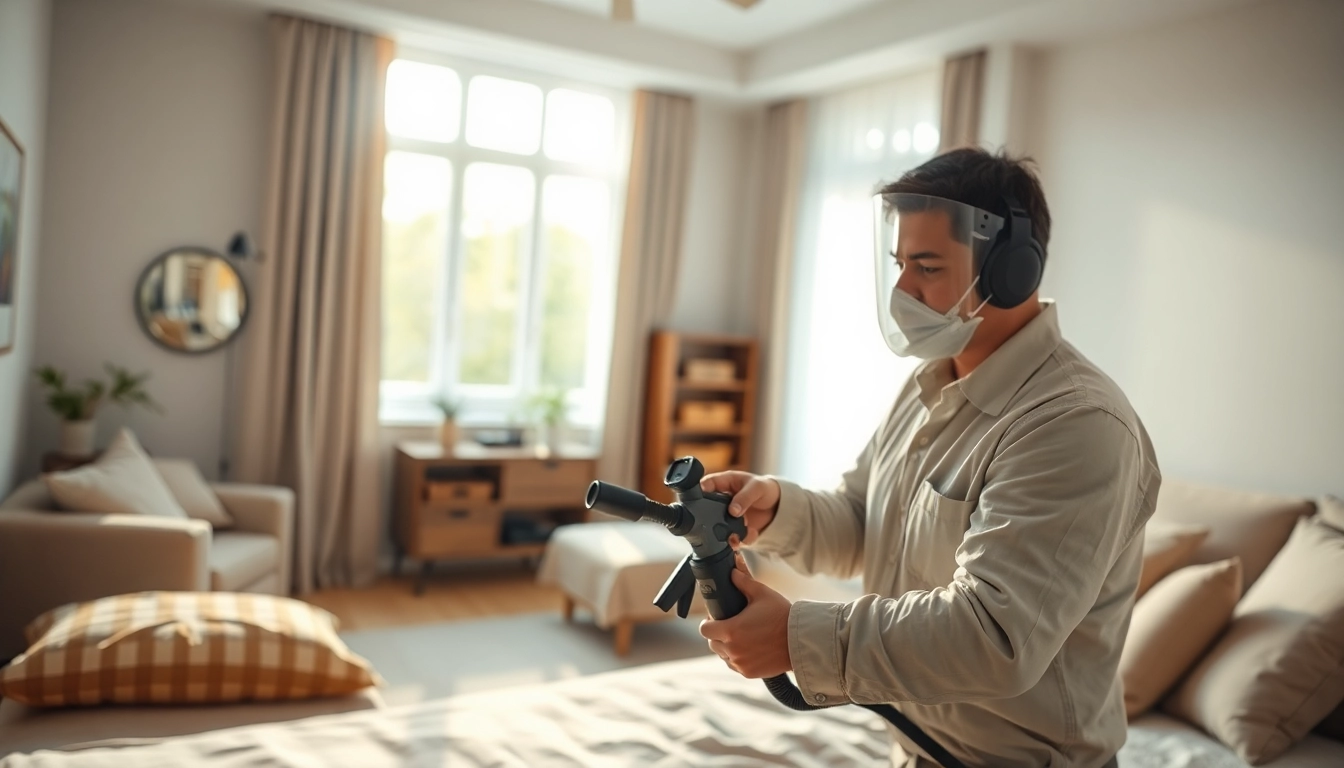
Understanding Bed Bugs
What Are Bed Bugs?
Bed bugs are small, parasitic insects that feed on human blood, primarily at night. They belong to the Cimex lectularius species and have become notorious for their ability to thrive in numerous environments, from homes and hotels to public transportation. With their flat and oval bodies, the adult bed bugs range from approximately 1/4 to 1/5 of an inch. One of the primary reasons for their proliferation is their rapid reproduction rate. A female bed bug can lay up to 500 eggs in her lifetime, leading to infestations that can escalate quickly without intervention.
Signs of Infestation
Identifying a bed bug infestation early can prevent an escalation that requires professional treatment. Common signs include:
- Bed bug bites: Red, itchy welts or bumps on the skin, typically grouped together.
- Dark spots: Small brown or black spots on bedding, walls, or upholstery, which are bed bug excrement.
- Molted skins: Sheddings of bed bug skins in hiding spots.
- Bed bug eggs: Tiny white, oval eggs found in crevices, which can be difficult to see.
Dangers of Bed Bugs
While bed bugs are not known to transmit diseases, their bites can lead to severe itching and allergic reactions. The psychological impact of an infestation can also be severe, causing anxiety, insomnia, and embarrassment for those affected. Consequently, timely intervention by a bed bug exterminator is essential to mitigate these issues and restore peace of mind.
How to Choose a Bed Bug Exterminator
Key Qualifications to Look For
Choosing the right bed bug exterminator can be daunting. It is crucial to assess several factors to ensure you pick the right professional for your needs. Look for the following qualifications:
- Licensing and Certification: Verify that the exterminator has the necessary licenses and certifications to operate in your state. This indicates that they adhere to local regulations and standards.
- Experience: A reputable exterminator will have years of experience dealing specifically with bed bugs. Inquire about their track record and success rate.
- Insurance: Ensure that the exterminator has liability insurance, protecting against any damages during treatment.
- Positive Reviews: Look for testimonials or reviews from previous clients to gauge their satisfaction level with the services provided.
Cost Considerations
The cost of hiring a bed bug exterminator can vary significantly based on various factors. On average, costs can range from a few hundred to several thousand dollars, depending on the severity of the infestation and the methods used for extermination. Keep the following in mind:
- Extent of Infestation: More extensive infestations will require more extensive treatments and thus increase costs.
- Location: Costs can vary depending on geographic location. Urban areas may have higher rates due to higher demand and overhead.
- Treatment Methods: Different methods, such as heat treatment or chemical application, have varying costs associated with them.
Service Options and Techniques
Bed bug exterminators utilize various techniques for effective elimination. Each method has its own benefits and potential drawbacks:
- Heat Treatment: This method involves raising the temperature of the affected area to lethal levels for bed bugs. It is chemical-free and can eliminate all life stages of bed bugs in one visit, although it may require special preparation and can be more expensive.
- Chemical Treatments: Involves the application of insecticides. These treatments may require multiple visits and preparation to ensure effectiveness, but they can be more affordable than heat treatments.
- Integrated Pest Management (IPM): A holistic approach that combines multiple strategies, focusing on prevention as well as treatment. This may include regular inspections and monitoring beyond one-time treatments to prevent future infestations.
Best Practices for Bed Bug Prevention
Cleaning and Maintenance Strategies
Preventing bed bugs requires proactive engagement in cleaning and maintenance practices. Here are some effective strategies:
- Regular Vacuuming: Thoroughly vacuuming your home, especially around beds and furniture, can help remove eggs and young bed bugs before they develop into a larger problem.
- Washing Linens: Regularly washing and drying linens in hot water can kill any bed bugs present.
- Decluttering: Reducing clutter in your living space can minimize hiding spots for bed bugs, making it easier to spot and manage potential infestations.
Travel Tips to Avoid Bed Bugs
Traveling can often increase the risk of encountering bed bugs. Here are precautions to take:
- Inspect Hotel Rooms: Upon check-in, thoroughly inspect your room, checking around the bed and furniture for signs of bed bugs.
- Luggage Precautions: Store luggage on elevated surfaces, such as luggage racks, and avoid placing them on the bed or floor.
- Immediate Laundry: When returning home, immediately wash all clothing in hot water to eliminate any potential hitchhikers.
Home Remedies for Prevention
While professional extermination is often necessary for existing infestations, certain home remedies can help deter bed bugs:
- Essential Oils: Some essential oils, like tea tree or lavender, are known for their insect-repelling properties. Although not foolproof, they can function as preventive solutions.
- Heat Exposure: Placing bedding and clothes in a dryer on high heat for 30 minutes can kill bed bugs and their eggs effectively.
- Bed Bug Encasements: Using encasements on mattresses and box springs creates a barrier that can help prevent bed bugs from settling in.
What to Expect During Treatment
Initial Assessment Process
The first step during the treatment process typically involves a thorough assessment by the exterminator. This may include:
- Inspection: The exterminator will examine the premises to confirm the presence of bed bugs and determine the extent of the infestation.
- Identifying Hiding Spots: Identifying the specific locations where bed bugs are likely hiding, including beds, sofas, and baseboards, to ensure effective treatment.
- Preparation Guidance: Providing guidance on how to prepare your home for treatment, which may include decluttering or washing bedding.
Treatment Options and Their Effectiveness
Once the assessment is complete, the exterminator will recommend a specific treatment plan, which may include:
- Heat Treatments: Highly effective, as they eliminate bugs in all life stages. However, preparation is crucial for ensuring that all items can withstand the elevated temperatures.
- Chemical Treatments: Targeted application of pesticides may require follow-up visits. Effectiveness varies based on the chemical’s action and the infestation’s extent.
- Follow-up Inspections: After the initial treatment, a follow-up inspection is typically recommended to assess any remaining activity and confirm successful extermination.
Post-Treatment Care and Follow-Up
Following treatment, it is essential to adhere to any recommendations from your exterminator, which may include:
- Regular Monitoring: Conducting regular checks in the months following treatment to catch any resurgence early.
- Cleaning Protocols: Continuing with proactive cleaning practices to ensure a durable resolution.
- Additional Treatments: Being aware that more than one treatment may be needed, especially for chemical treatments or severe infestations.
Frequently Asked Questions
How quickly can a bed bug exterminator eliminate the pests?
The speed of elimination depends on the treatment method used and the severity of the infestation. Some methods can show results within hours, while others may take several days to be fully effective.
Are bed bug treatments safe for pets and children?
Many professional treatments are safe for pets and children, especially heat treatments. However, it’s essential to discuss safety measures with your exterminator beforehand.
How can I prepare my home for an extermination?
Preparation typically includes clearing areas where bed bugs may hide, washing bedding in hot water, and following specific guidelines provided by your exterminator to maximize effectiveness.
What should I do if I see bed bugs after treatment?
If you see bed bugs after treatment, contact your exterminator immediately. A follow-up inspection may be necessary to address any active infestations.
How do I know if I need a bed bug exterminator?
If you notice signs of bed bugs, such as bites or dark spots on bedding, it’s essential to consult a professional. Delaying treatment can lead to a more severe infestation.