
Understanding Fashion: A Cultural Overview
What is Fashion?
Fashion is more than just clothing; it embodies cultural expressions, personal identities, and social narratives. The term derives from the Latin word “facere,” which means “to make.” It encompasses a wide range of elements: clothing, footwear, accessories, and even fragrances and cosmetics. In its essence, fashion allows individuals to showcase their beliefs, values, and socioeconomic factors through their attire. It serves as a mirror reflecting societal trends, innovation, and sometimes, rebellion against the status quo. Thus, Fashion becomes a language of its own, articulating individual and collective cultural identities.
The Evolution of Fashion Through History
The journey of fashion is a fascinating exploration of human civilization. From the draped garments of ancient Greece to the ornate embellishments of the Victorian era, fashion has constantly evolved. During the Renaissance, fashion began to signify social status, and the Industrial Revolution saw the rise of mass production, making clothing accessible to a wider audience. In the 20th century, fashion underwent significant transformations driven by cultural movements and artistic expressions. Iconic figures like Coco Chanel and Christian Dior reshaped notions of style, while the emergence of streetwear and fast fashion in the late 20th and early 21st centuries further diversified the industry. Today, we see a blend of styles and a return to sustainable practices as society grapples with the consequences of consumption.
Fashion’s Impact on Society and Identity
Fashion plays a crucial role in shaping societal norms and personal identity. It can influence social mobility, with attire signaling one’s status or aspirations within a community. The concept of “dress codes” in professional and social settings demonstrates the power of fashion in dictating acceptable behavior and appearance. Additionally, fashion movements often challenge societal norms; for instance, the punk movement redefined rebellion through style, while the body positivity movement now advocates for diverse representations of beauty in fashion. Ultimately, the choices people make about their attire can significantly impact how they perceive themselves and how they are perceived by others, forging a deeper connection between fashion and identity.
Current Fashion Trends: What’s in Vogue
Top Seasonal Trends You Can’t Miss
Fashion trends are in constant flux, shaped by cultural events, music, and street style. Noteworthy trends this season include bold colors like vibrant reds and electric blues, oversized silhouettes that challenge conventional norms, and textures that range from luxurious silks to rugged denim. Prints, especially floral and artistic graphics, are making a significant impact. Additionally, nostalgic references, such as Y2K aesthetics and retro styles, are resurging, offering a fresh interpretation of fashion history. Embracing these trends allows individuals to express individuality while staying in sync with contemporary movements.
Street Style: Fashion on the Move
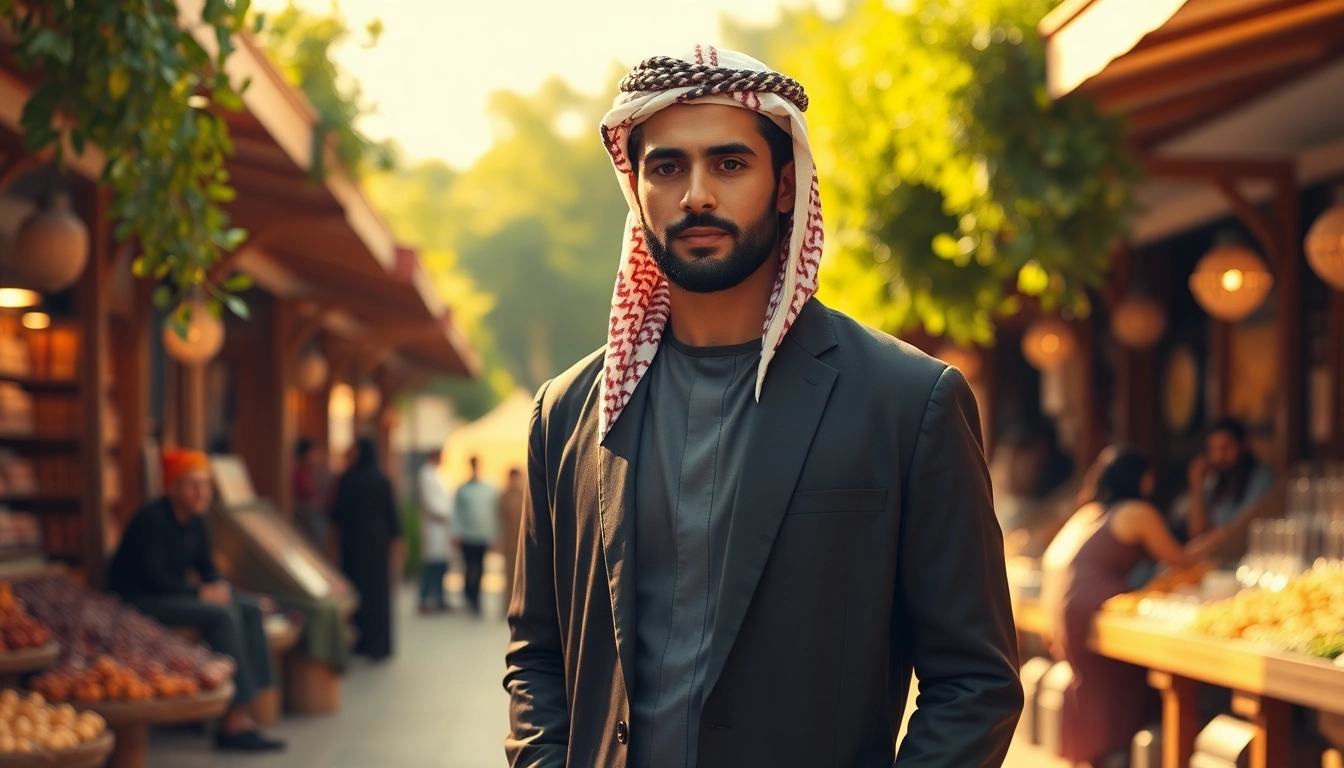
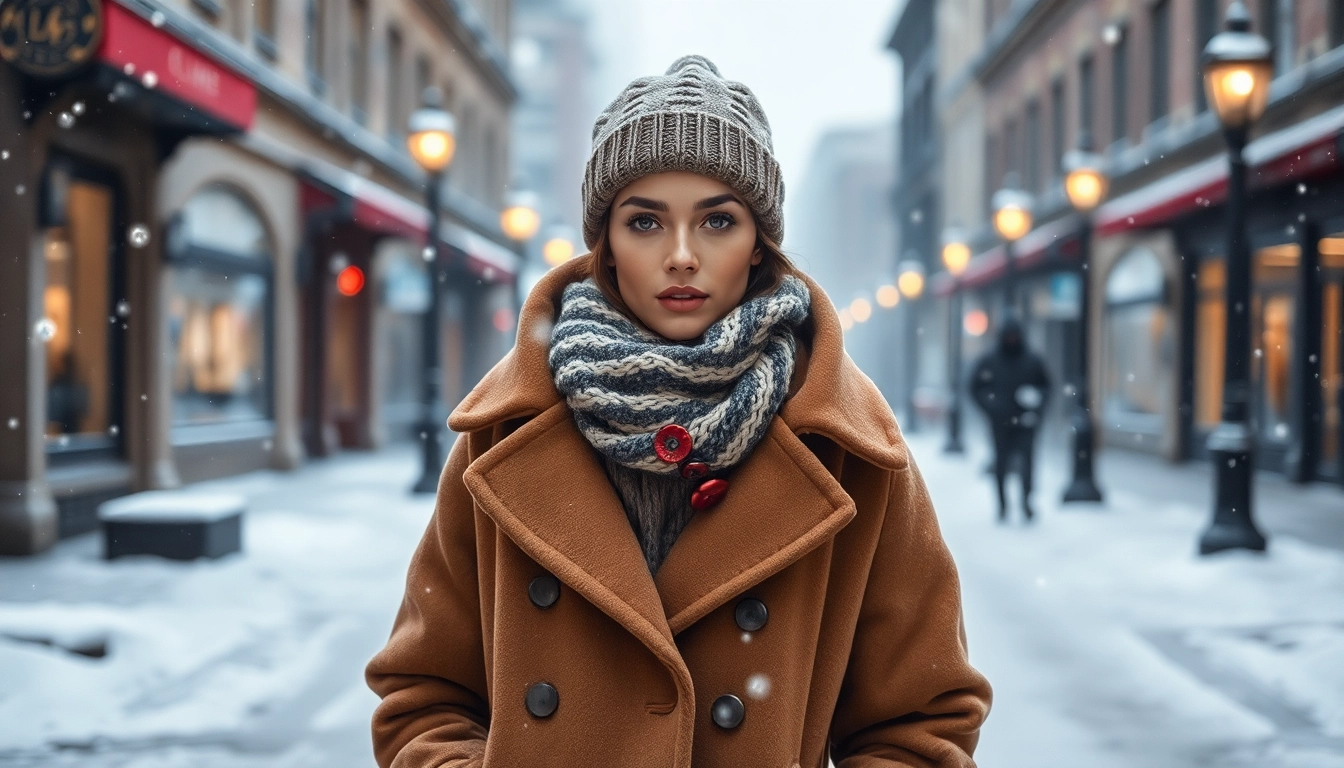
Street style encapsulates the sartorial expressions of individuals in urban environments. It represents a form of creativity and personal storytelling through clothing. Street style bloggers and influencers have propelled this trend into the mainstream, showcasing unique interpretations of fashion that often defy traditional rules. Key elements include mixing high-end pieces with thrifted finds, layering, and accessorizing. Observing street style not only offers inspiration but also serves as a powerful reminder that fashion is an everyday art form, accessible and adaptable to all.
Influence of Social Media on Fashion Trends
Social media has transformed the fashion landscape dramatically in recent years. Platforms like Instagram, TikTok, and Pinterest function as visual storytelling channels, enabling designers, influencers, and consumers to connect in unprecedented ways. The rapid dissemination of ideas allows trends to emerge and dissipate at lightning speed, creating a dynamic culture of constant change. Influencers, acting as trendsetters, have the power to shape new fashions and even resurrect past styles, fostering immediate global conversations about aesthetics and manufacturing ethics. However, this immediacy can also lead to a quick turnover, emphasizing the need for sustainable practices in fashion.
How to Build Your Fashion Wardrobe
Identifying Your Personal Style
Creating a fashion wardrobe that reflects your personality requires self-reflection and exploration. Start by assessing your lifestyle and the environments you navigate daily—work, social settings, and casual outings. Curate a mood board with inspiration from magazines, social media, and blogs to visualize your style preferences. Don’t hesitate to experiment with different aesthetics—eventually, a unique style will emerge as you discover what resonates with you.
Essential Pieces for Every Fashionista
A foundational wardrobe consists of key pieces that can be mixed and matched effortlessly. Essential items include a well-fitted blazer, versatile jeans, classic white shirts, and little black dresses. Footwear should not be overlooked; pumps, stylish sneakers, and ankle boots often provide the necessary versatility. Accessorizing with scarves, belts, and statement jewelry can elevate even the simplest ensemble. As a fashionista, these essentials provide a canvas for creative expression while ensuring you’re prepared for any occasion.
Mixing and Matching for Unique Looks
Mastering the art of mixing and matching allows you to create diverse outfits from a limited selection. Focus on balancing colors, textures, and proportions. Pairing oversized tops with fitted bottoms can create a flattering silhouette, while layering different lengths—such as long cardigans with crop tops—adds visual interest. Experimenting with unusual pairings, such as sporty elements with classic pieces, can yield exciting and fresh looks. Confidence is key; the more you enjoy your style, the more appealing it becomes.
Responsible Fashion: Sustainability Matters
The Rise of Eco-Friendly Brands
With growing awareness of climate change and consumer demand for transparency, eco-friendly fashion brands have gained traction. These companies prioritize sustainable materials, ethical labor practices, and transparent supply chains. From organic cotton and recycled fabrics to innovative techniques that reduce waste, eco-conscious designs are redefining quality and aesthetics in fashion. Shoppers increasingly gravitate toward brands promoting sustainability, shifting the industry towards greener practices and encouraging conscious consumption.
Fashion Revolution: A Call for Change
Movements like Fashion Revolution advocate for systemic change in the fashion industry. After the Rana Plaza tragedy, a global outcry emerged demanding accountability for labor practices and environmental impact. The movement encourages consumers to question the origins of their clothing, actively participate in conversations around sustainability, and support ethical brands. By fostering solidarity among consumers and creators, the revolution aims to reshape the industry into a more responsible and ethical space.
Tips for a Sustainable Wardrobe
Creating a sustainable wardrobe involves intentional buying and maintaining quality garments. Focus on investing in timeless pieces that withstand trends. Thrift shopping and swapping clothes are great ways to refresh your wardrobe while minimizing waste. Learn to care for your clothing properly—simple actions like washing on cold and air-drying can prolong the lifespan of garments. Refrain from impulse buying; instead, opt for thoughtful consumption, evaluating each purchase’s necessity and ethical implications.
Accessorizing Fashion: The Finishing Touches
The Role of Accessories in Fashion
Accessories are crucial in enhancing and personalizing outfits. They serve as the finishing touch that can elevate a simple ensemble to extraordinary heights. A statement necklace can draw attention to your face, while a stylish belt can define the waistline of an unstructured dress. Accessories also allow individuals to express themselves and adapt trends to fit their unique style, making them vital elements within the fashion narrative.
Must-Have Accessories This Season
This season, bold accessories reign supreme—think oversized earrings, layered necklaces, and chunky bracelets. Belts are also making a comeback, particularly in unique textures and vibrant colors, helping to cinch oversized silhouettes. Additionally, bags in interesting shapes and materials provide not only functionality but also a focal point for outfits. Choosing the right accessories can transform basic attire into an unforgettable statement.
How to Accessorize with Confidence
Confident accessorizing begins with personal style awareness and understanding what complements your outfit. Start simple; if your clothing is vibrant or detailed, opt for more understated accessories. Conversely, if your outfit is neutral, go bold with accessories to add interest. Layering pieces can create depth but be sure to avoid overwhelming your look. Ultimately, confidence is your best accessory—wear what makes you feel good, and it will naturally shine through.