Understanding the Basics of a Shrink Wrapper
What is a Shrink Wrapper?
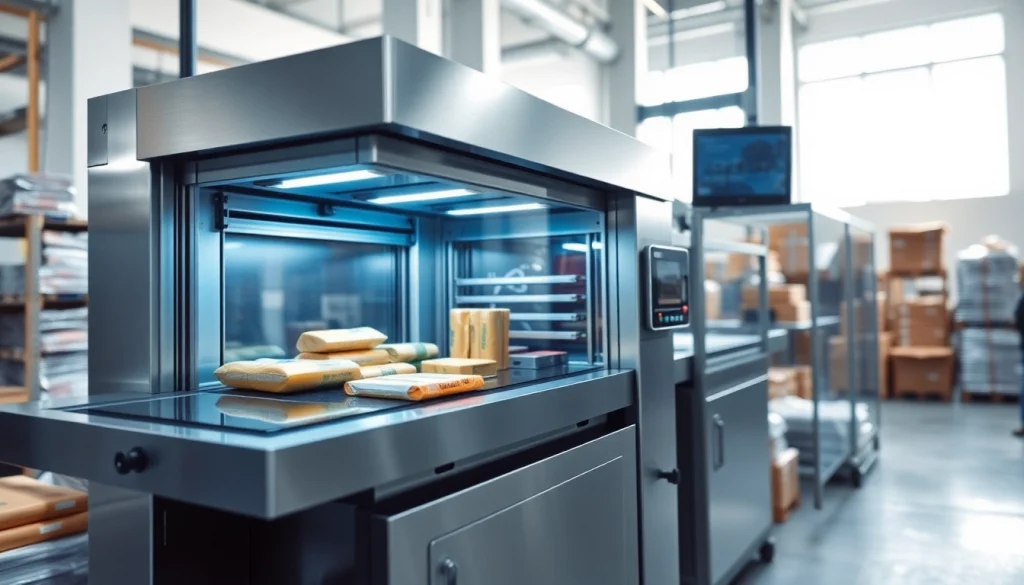
A shrink wrapper is a packaging machine designed to apply a protective layer of shrink film around products, securely enclosing them. This type of machine is instrumental in various industries, ranging from food and beverage to consumer goods and industrial products, due to its ability to protect items from damage and contamination during storage and transportation.
How Shrink Wrappers Work
Shrink wrappers function by first applying a sheet or tube of shrink film around the product. The wrapper achieves this by feeding the product through the opening of the machine, where the heat-sealable film is positioned. Once the product is wrapped, heat is applied either through hot air or heat chambers, causing the plastic film to shrink tightly around the package. This process creates a durable, tamper-evident seal, ensuring that the product remains intact and visually appealing.
Key Components of Shrink Wrappers
While the mechanics may vary from model to model, typical components of a shrink wrapper include:
- Film dispenser: Supplies the shrink film necessary for wrapping the products.
- Heat source: Applies heat to activate the shrinking process, which could be in the form of an oven, heat tunnel, or infrared elements.
- Guide rails: Ensure that products are correctly positioned and move smoothly through the machine.
- Control panel: Allows operators to manage settings such as temperature, speed, and time for optimal wrapping results.
Types of Shrink Wrappers Available
Manual vs. Automatic Shrink Wrappers
Shrink wrappers can broadly be categorized into manual and automatic types. Manual shrink wrappers require manual input to operate, making them ideal for low-volume production needs and smaller businesses. They offer flexibility but require more labor involvement.
In contrast, automatic shrink wrappers are designed for high-volume production. These machines handle both wrapping and sealing processes with minimal human intervention, significantly enhancing efficiency in larger manufacturing environments. They are equipped with advanced controls and sensors to optimize throughput and quality.
Uniform vs. Custom Shrink Wrapper Solutions
Businesses may find themselves in need of either uniform or custom shrink wrapper solutions. Uniform systems produce the same type of packaging consistently, making them ideal for assembly lines where product sizes do not vary significantly. Custom solutions, however, can accommodate unique products and packaging requirements, allowing businesses to cater to specific market needs.
Comparing Horizontal and Vertical Shrink Wrappers
When it comes to layout, shrink wrappers can be horizontal or vertical. Horizontal shrink wrappers are designed to wrap products laid flat and are typically used for bulk packaging, while vertical shrink wrappers are used for items stacked or arranged vertically, such as bottles or boxes. The choice between these options largely depends on the nature of the product and the layout of the packaging operation.
Benefits of Using a Shrink Wrapper
Enhanced Product Protection
One of the standout benefits of using a shrink wrapper is the enhanced protection it provides to products. The tightly shrunk film reduces the risk of physical damage, moisture exposure, dust, and contamination. This is particularly important for products with specific storage requirements, such as food items that need moisture and air barriers for freshness.
Improved Aesthetics and Branding
Shrink wrapping improves product aesthetics significantly. The clear film provides visibility, allowing customers to see the product while also allowing branding through printed designs on the film. By enhancing visual appeal, businesses can strengthen brand identity and attract more customers.
Cost-Efficiency and Waste Reduction
Investing in shrink wrappers can lead to significant cost savings over time. They reduce the amount of packaging material used since the film conforms to the product’s shape, minimizing waste. Additionally, the automation of the packaging process streamlines operations, decreases labor costs, and allows for increased production rates, ultimately leading to improved profits.
Choosing the Right Shrink Wrapper for Your Business
Factors to Consider: Size and Volume
When selecting a shrink wrapper, it’s essential to consider the size and volume of the products being packaged. For small products or low-volume operations, a manual or smaller automatic model might suffice. Larger businesses producing high volumes of diverse products will require heavy-duty, fully automatic systems capable of handling various sizes efficiently.
Evaluating Production Speed Requirements
Production speed is another crucial factor. Determine the required throughput by assessing current production rates and future projections. Shrink wrappers offer varying speeds, so ensure that the machine you select can meet your production goals while allowing room for scaling up as needed.
Budgeting for a Shrink Wrapper Purchase
Budgeting appropriately can be challenging, as shrink wrapper prices can vary significantly based on features, automation levels, and brand reputation. Carefully analyze your current packaging needs, anticipated growth, and operational expenses to make an informed investment. Cost-effective solutions may be available that meet your requirements without compromising on quality.
Maintenance and Best Practices for Shrink Wrappers
Routine Maintenance Tips
Regular maintenance is essential for effective operation and longevity of shrink wrappers. Some best practices include:
- Routine cleaning of components to prevent buildup of debris and contamination.
- Regular inspections of heating elements to ensure consistent performance.
- Updating software for computerized systems to improve functionality and efficiency.
Common Issues and Troubleshooting
As with any machinery, issues may arise during operation. Common issues include uneven sealing, film tears, or inconsistent shrinking. Troubleshooting measures might involve adjusting temperature settings, checking film quality, or recalibrating device settings. Always refer to the user manual for specific operational guidance.
Maximizing Efficiency with Proper Usage
To maximize efficiency, operators should receive comprehensive training on the chosen shrink wrapper’s capabilities and functionalities. Regular monitoring of production processes will help identify potential bottlenecks early, allowing for timely interventions to keep operations running smoothly.